The Charm of Nature - The Four Seasons' Scroll at the Peak of the Forbidden City
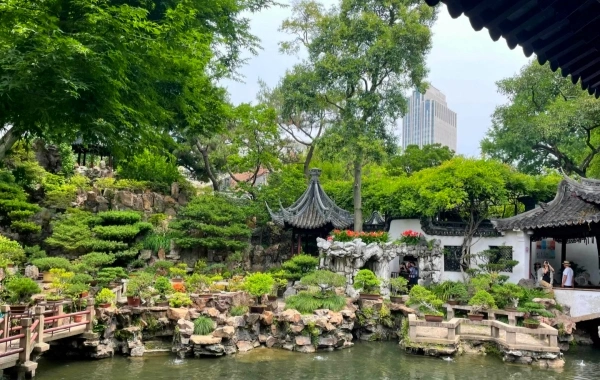
Although Jingshan is artificially constructed, its garden landscaping embodies the charm of nature. With the changing of the four seasons, the scenery is distinct.
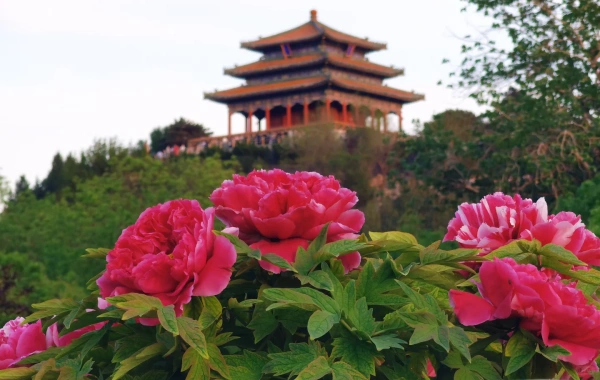
Spring National Beauty: The Grand Chapter of Royal Peonies
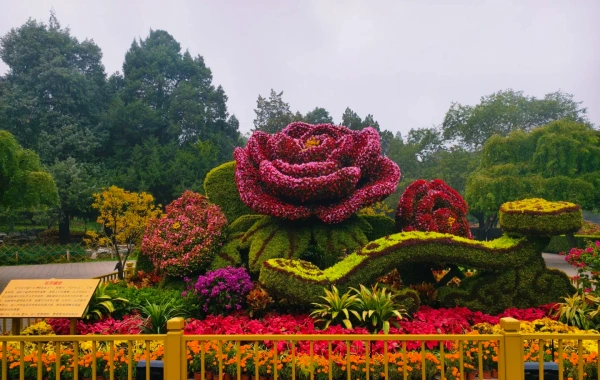
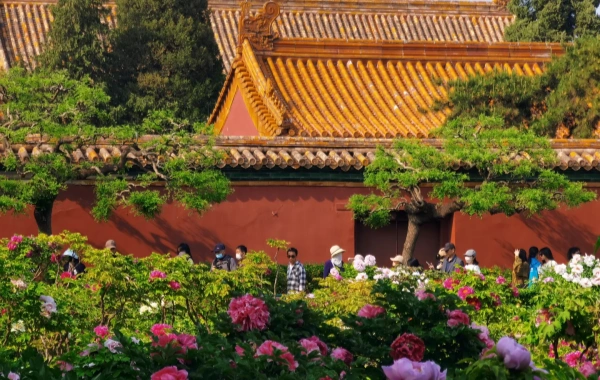
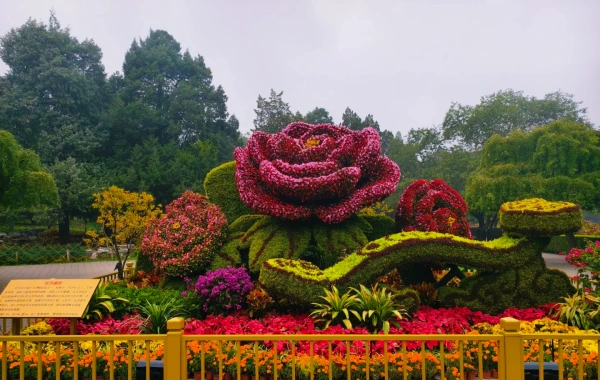
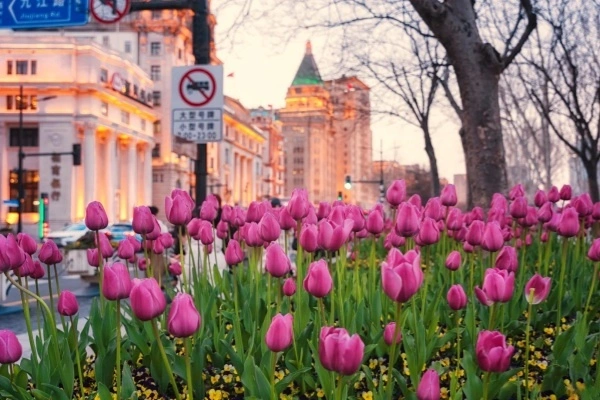
The history of peony cultivation in Jingshan can be traced back to the Yuan Dynasty. Since ancient times, it has been a popular place for the royal family to enjoy peonies. Up to now, the garden has gathered over 560 varieties of peonies from home and abroad, covering nine major color series. Every year around the Grain Rain, the "Spring Peony Flower Exhibition of Jingshan Park" grandly opens, with over 20,000 peonies blooming in competition. Among them are traditional masterpieces from the Imperial Garden and precious purple-spotted peonies. After the peonies wither, most of the peony varieties in the capital city take turns to appear here, continuing the garden full of fragrance.
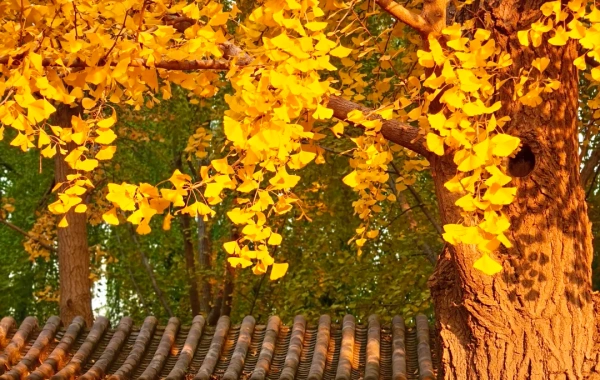
Golden Autumn Scenery: A Dialogue between Colorful Leaves and the Gilded Ancient Buildings
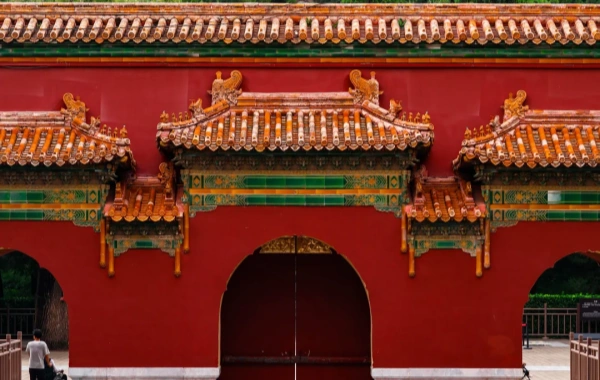
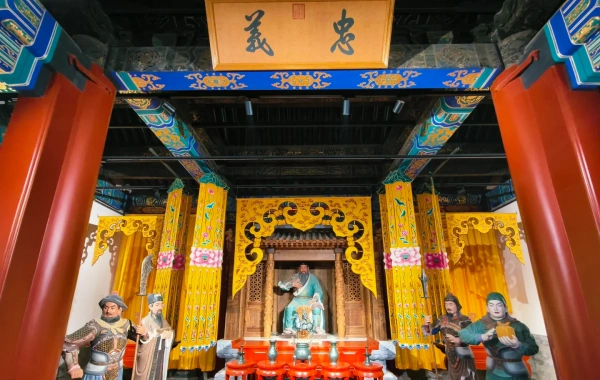
Autumn is the most splendid season in Jingshan. The Ginkgo Avenue inside the east gate of the park turns into a golden corridor around November, with leaves fluttering down, creating a visually striking contrast with the vermilion palace wall in front of the Temple of Loyalty and Righteousness for the Protection of the Country. The Acer truncatum and ash trees in the West District Science Popularization Park have also been dressed in orange and red rosy clouds. At this moment, when you climb the Wanchun Pavilion, you will see colorful leaves beneath your feet, the layers of golden roofs of the Forbidden City to the south, and the straight central axis to the north. A flowing historical scroll gradually unfolds in the autumn light.
The Ancient Soul: A Silent Witness Through Time
The ancient trees in the garden tower into the sky. They are not only a sight but also a living history. According to statistics, there are 141 ancient trees around the Shouhuang Hall complex alone, among which 33 are over 300 years old. The "Qiu Long Cypress" on the east side of the back mountain and the "Mother and Son Locust Tree" in front of Yongsi Hall all have extraordinary postures, silently witnessing the rise and fall of dynasties and the changes of The Times.
The Structure of Humanity - An architectural Epic on the Axis
The cultural landscape of Jingshan is closely centered around the central axis, and each building carries a profound function and symbol.
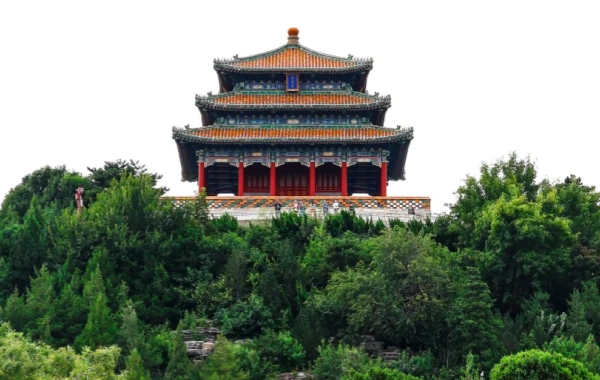
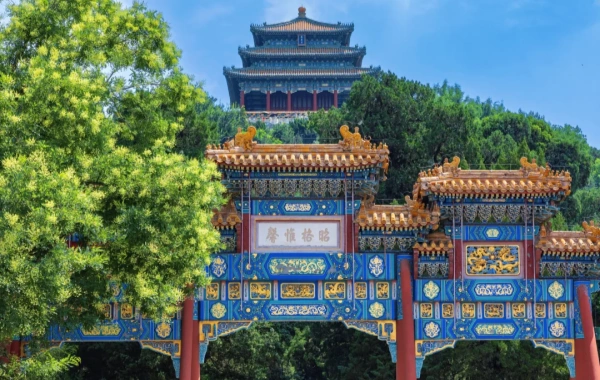
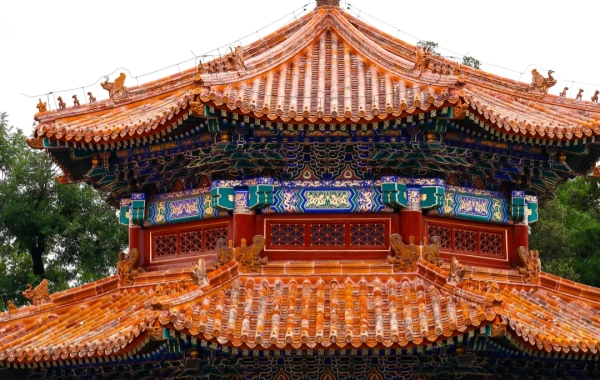
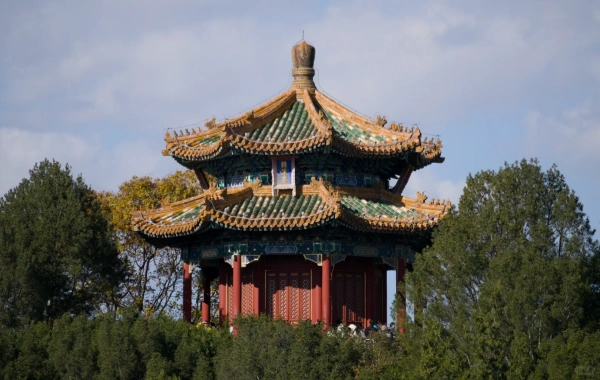
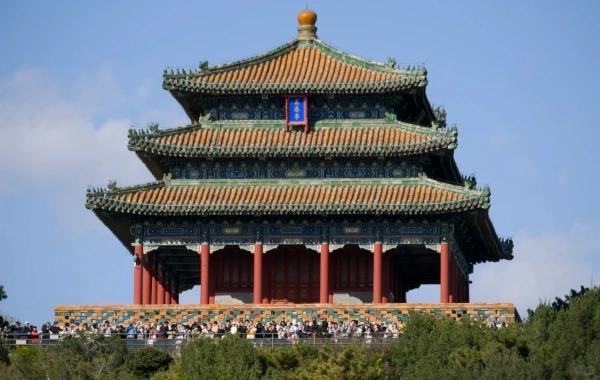
- Wanchun Pavilion and the Five-Pavilion Sequence: The brilliant crown on the central axis. The Wanchun Pavilion, standing on the central peak of Jingshan Mountain, is the highest point and a landmark building on the central axis of Beijing. It is a pavilion with three eaves and a four-cornered pyramidal roof, covered with yellow glazed tiles, presenting a magnificent and imposing appearance. On its east and west sides, the Guanmiao Pavilion, Zhoushang Pavilion, Jifang Pavilion and Fulan Pavilion are arranged symmetrically in sequence, jointly forming a beautiful skyline. This place is not only an excellent vantage point to overlook the entire city, but also in the Qing Dynasty, each pavilion once enshrined a copper Buddha (collectively known as the "Five Directions Buddha"), most of which were later looted.
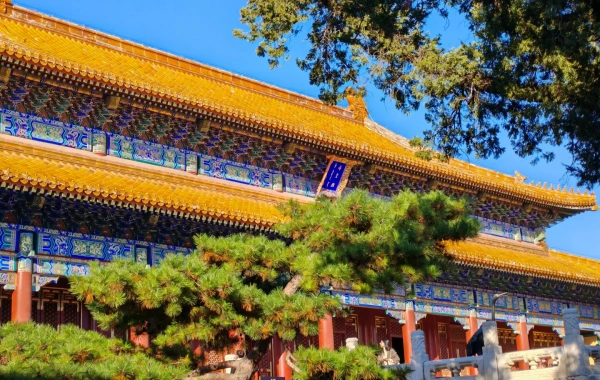
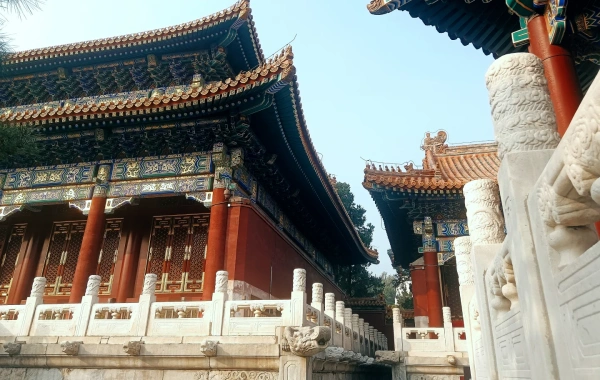
The Shouhuang Hall Complex: A solemn sacrificial site of the imperial lineage. The Shouhuang Hall, located directly north of Jingshan Mountain, was a sacred hall where the Qing Dynasty royal family offered sacrifices to their ancestors and was of extremely high architectural grade. Emperor Qianlong enshrined the portraits and seals of successive emperors and empresses here and established strict ancestral worship rituals. The architectural complex is grand in scale and well-organized in layout. After renovation, it has restored its magnificent original appearance from the Qianlong period of the Qing Dynasty and is an important place to understand the royal sacrificial culture of the Qing Dynasty.
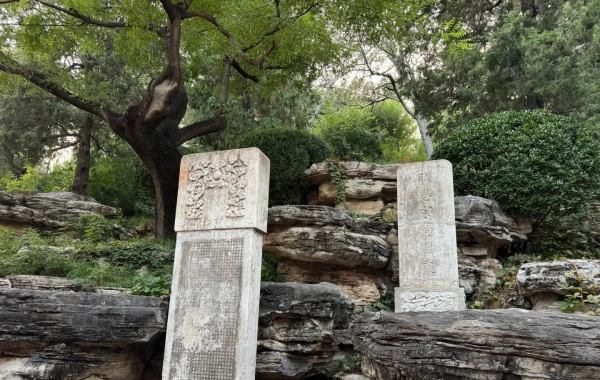
- The place where Emperor Chongzhen died for his country: A sorrowful footnote to the final chapter of the dynasty. On the eastern slope of Jingshan Mountain, there stands a monument inscribed with "The Memorial of Emperor Sizong of the Ming Dynasty for His Death for the Country". In 1644, Li Zicheng's rebel army captured Beijing, where the last emperor of the Ming Dynasty, Chongzhen, hanged himself, marking the end of a dynasty. This place is serene and solemn, evoking boundless historical reveries.
The Qiwang Tower and the Guande Hall: Vivid manifestations of the way of literature and martial arts. The Qiwang Tower in front of the mountain was once the place where students of Jingshan Official School in the Qing Dynasty paid homage to Confucius. The Guande Hall was where the emperor practiced horsemanship and archery and inspected his martial arts skills. The terms "literature" and "martial arts" reflect the comprehensive requirements of ancient rulers for talent cultivation.
Photography Tips:
The golden spot for shooting a panoramic view of the Forbidden City is on the south side of the Wanchun Pavilion. Using a medium focal length lens can compress the space and incorporate the layers of the Forbidden City's palaces and the distant view of the city into the frame. The best time is in the early morning or before sunset.
The classic composition of the Ginkgo Avenue and the red wall at the east gate is best captured on a clear morning or afternoon, using light and shadow to highlight the colors and textures.
Ancient buildings such as the Shouhuang Hall are suitable for symmetrical composition to showcase their solemnity and dignity. Upward shooting can highlight the agility of the upturned eaves of the buildings.
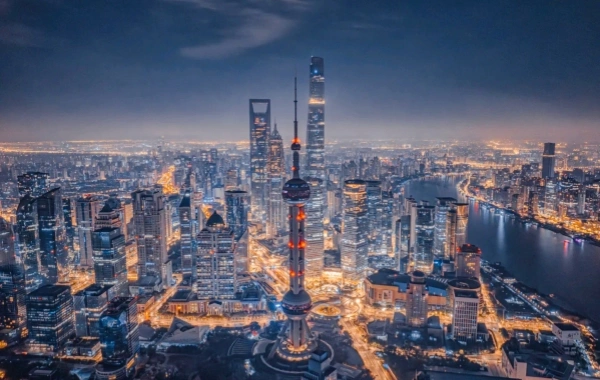
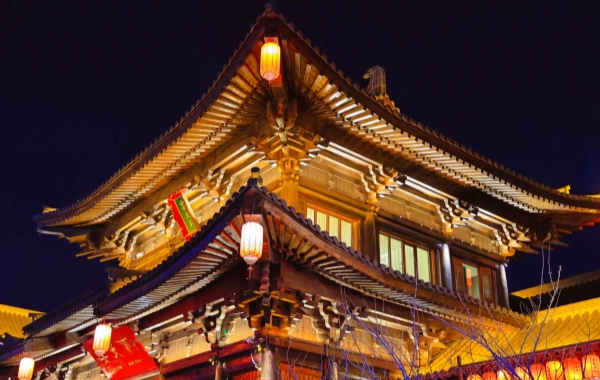
Night scene shooting requires the use of a tripod. When the lights are just turned on, the Forbidden City and the city lights complement each other, creating a unique charm.