Humanistic Ingenuity—A Dream of National Strength Etched into the Fabric of Tianjin
Every historical site and artifact here bears the weight of the profound history of modern Chinese naval education.
The Academy's Structure: Pioneering the Modern Spirit in the North
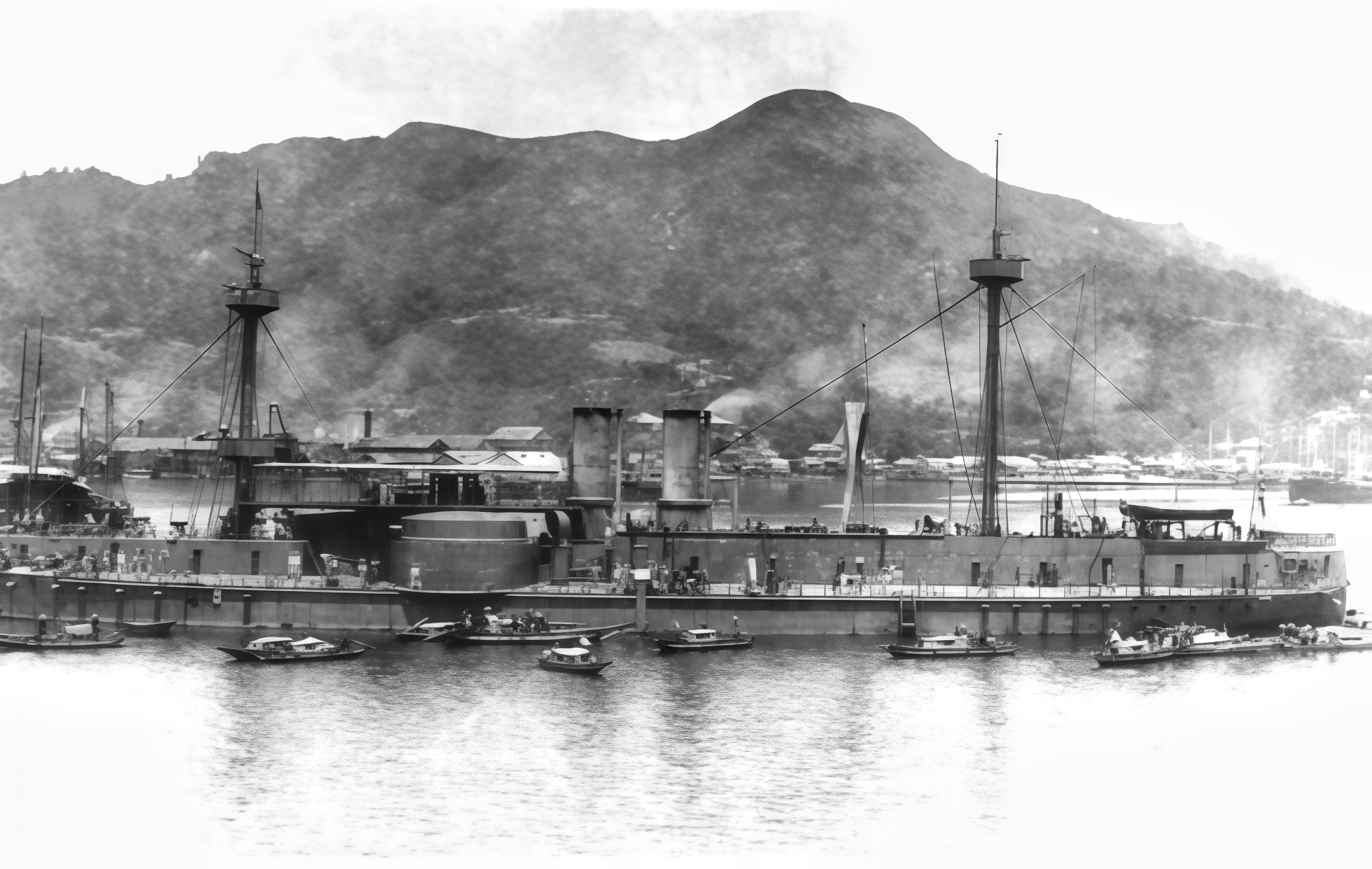
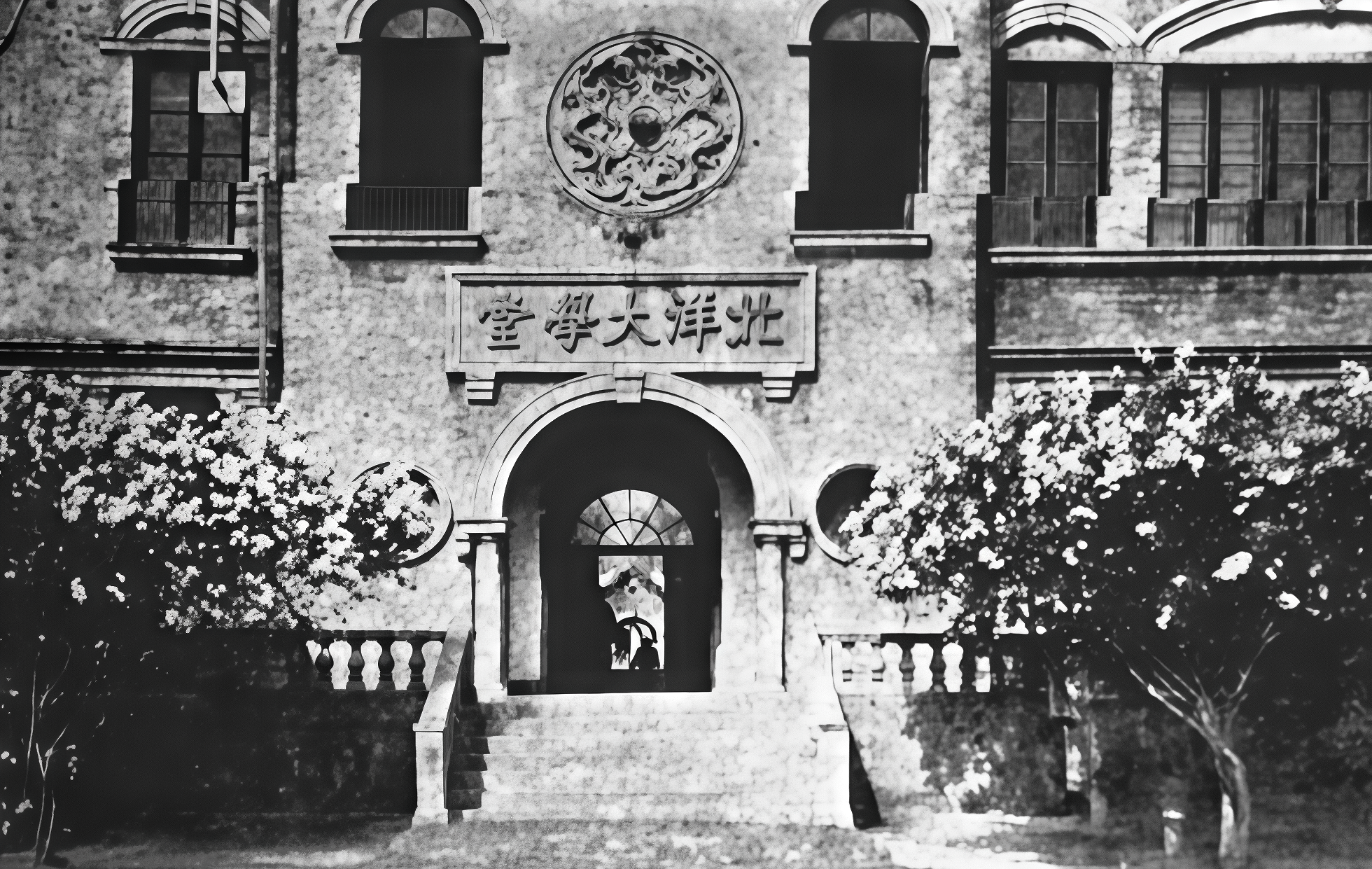
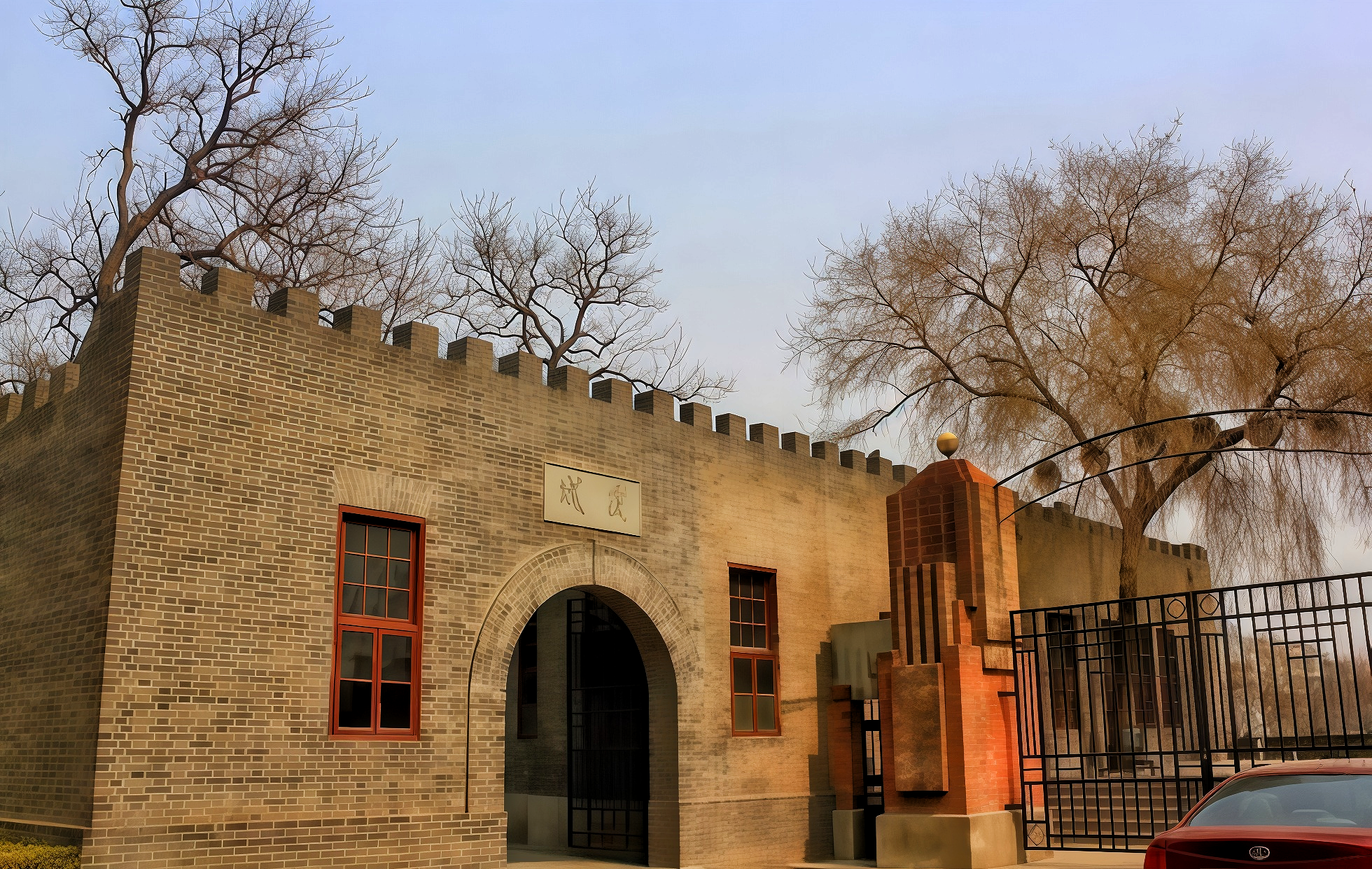
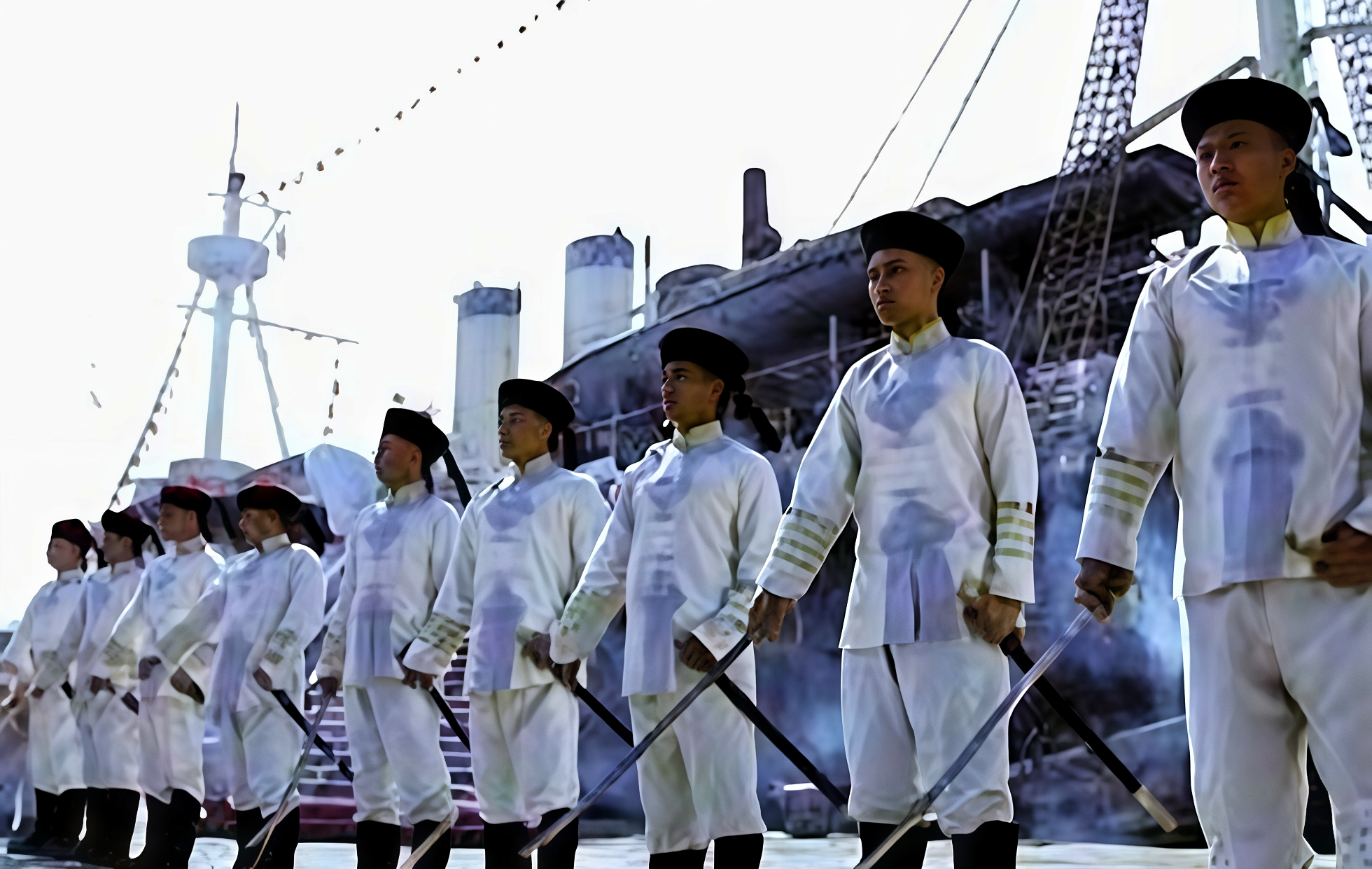
Modeled after the Fuzhou Naval Administration Academy, the Beiyang Naval Academy implemented a "four-in-one" development strategy: the acquisition of warships, education, military training, and base construction were advanced simultaneously. The academy established two major departments—Navigation and Engineering—creating a dual-track curriculum covering both command and marine engineering disciplines. The program spanned five years, encompassing over 20 Western-style subjects, including English, mathematics, geometry, astronomy, hydrography, navigation techniques, celestial observation, mechanics, chemistry, and natural sciences. The academy was strictly managed; students devoted five days a week to "Western studies" and two days to "Chinese classics," with only a single day of leave granted each month.
Yan Fu and Enlightenment Thought
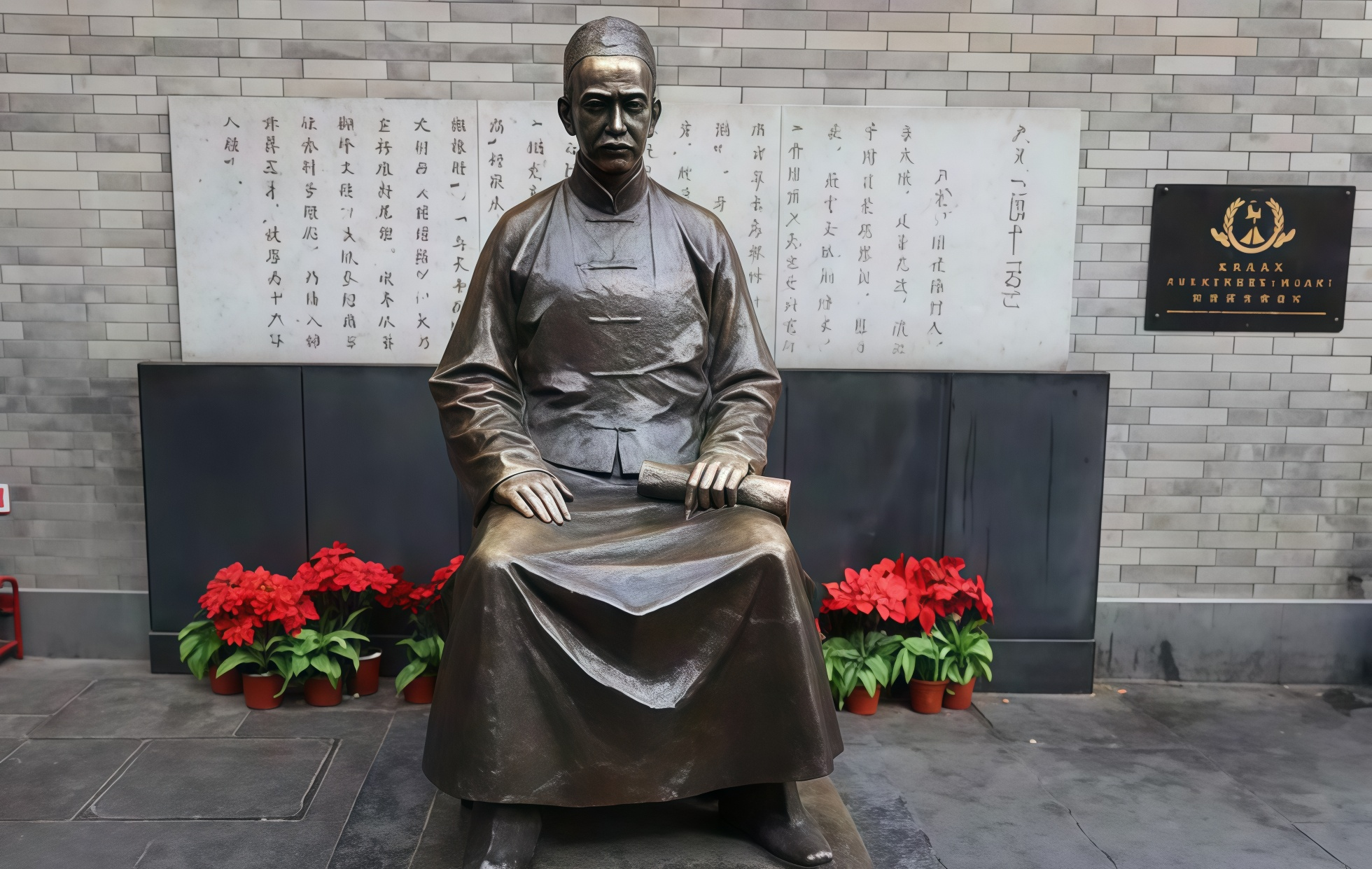
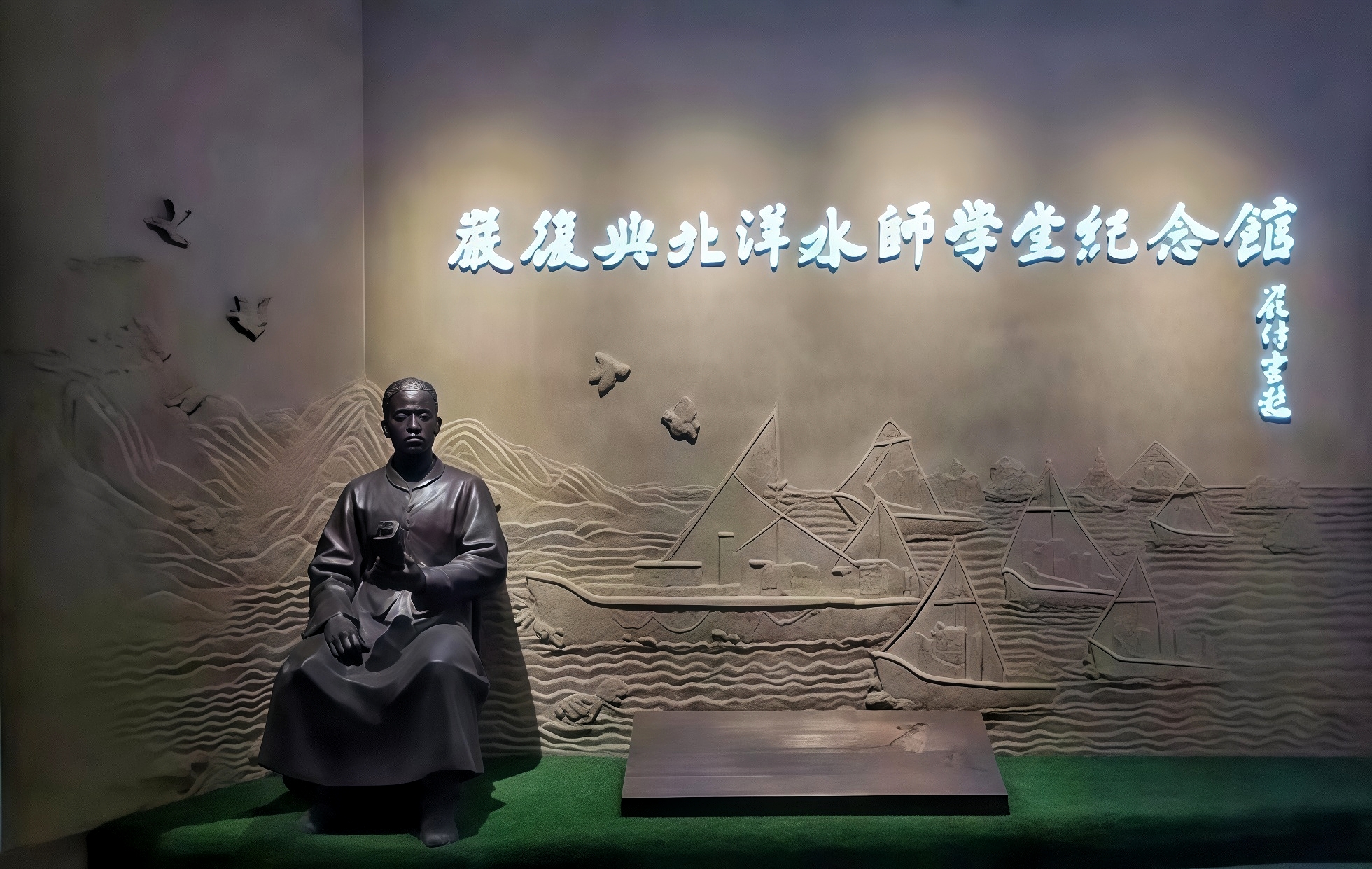
Yan Fu—a member of the inaugural graduating class of the Fuzhou Naval Administration Academy and an alumnus of the Royal Naval College in Greenwich, England—accepted an invitation from Li Hongzhang to serve as the Chief Instructor of the Beiyang Naval Academy. He taught here for ten years, training six graduating classes comprising 125 navigation specialists. Later in his career, after being promoted to the position of Superintendent, he translated Tianyan Lun (On Evolution), thereby disseminating the evolutionary concepts of "competition among species, natural selection, and survival of the fittest" throughout China. Liang Qichao hailed him as a scholar who was "first-rate in our nation in both Chinese and Western learning."
A Legacy of Excellence: Luminaries Emerging from the Academy
Although the Beiyang Naval Academy existed for only twenty years, it nurtured a host of figures who profoundly shaped the course of modern Chinese history:
- Zhang Boling: A graduate of the fifth Navigation Class, the first president of Nankai University, and a founding father of modern Chinese education.
- Li Yuanhong: A graduate of the inaugural Engineering Class and a two-term President of the Republic of China.
- Xie Baozhang: The father of the renowned writer Bing Xin, who served as the Vice Minister of the Navy.
- Zheng Rucheng, Wang Shaolian, and Wen Shilin: High-caliber professionals who mastered advanced naval technologies.
- Martyrs of the First Sino-Japanese War: Twenty-four graduates—including Chen Jingying, Huang Naimo, and Xu Xiyan—made the ultimate sacrifice and died heroically in the Battle of the Yalu River.
Li Hongzhang’s Assessment and European Acclaim
Li Hongzhang once submitted a memorial to the Imperial Court commending the academy: "The establishment of the Naval Academy in Tianjin serves to pioneer a new intellectual climate in the North and lay the foundational bedrock for China's naval fleet." To objectively evaluate the institution's educational standards, Li Hongzhang invited a delegation of instructors from renowned European naval colleges to conduct an on-site inspection. Their conclusion was unequivocal: "It is in no way inferior to any of the naval colleges in Europe."
> Photography Tips:
> - The memorial hall displays precious historical photographs and artifacts, offering a serene environment ideal for quiet contemplation and viewing.
> - The statue of Yan Fu is a must-photograph spot; it is highly recommended to capture a photo of yourself standing alongside the statue.
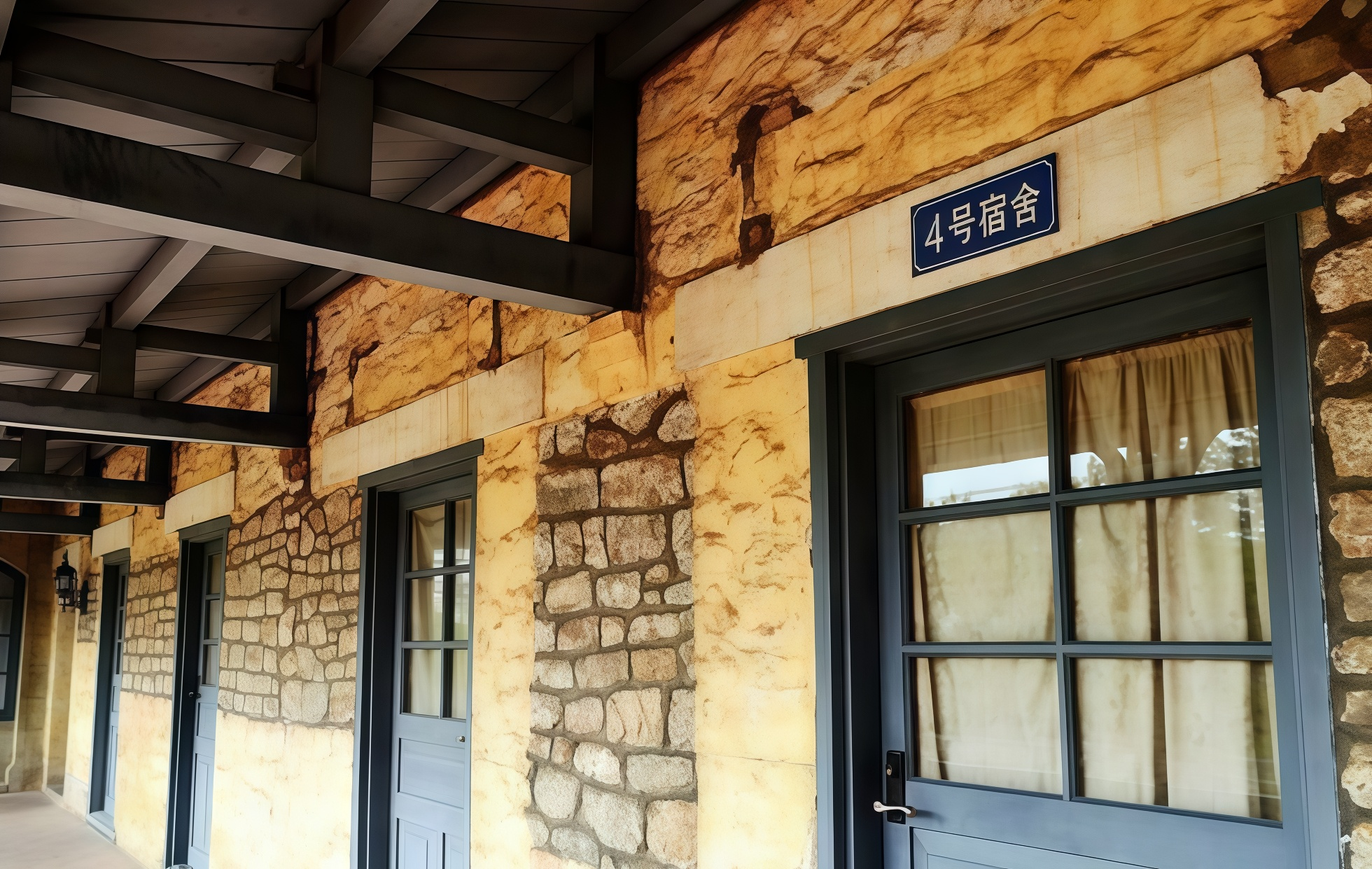
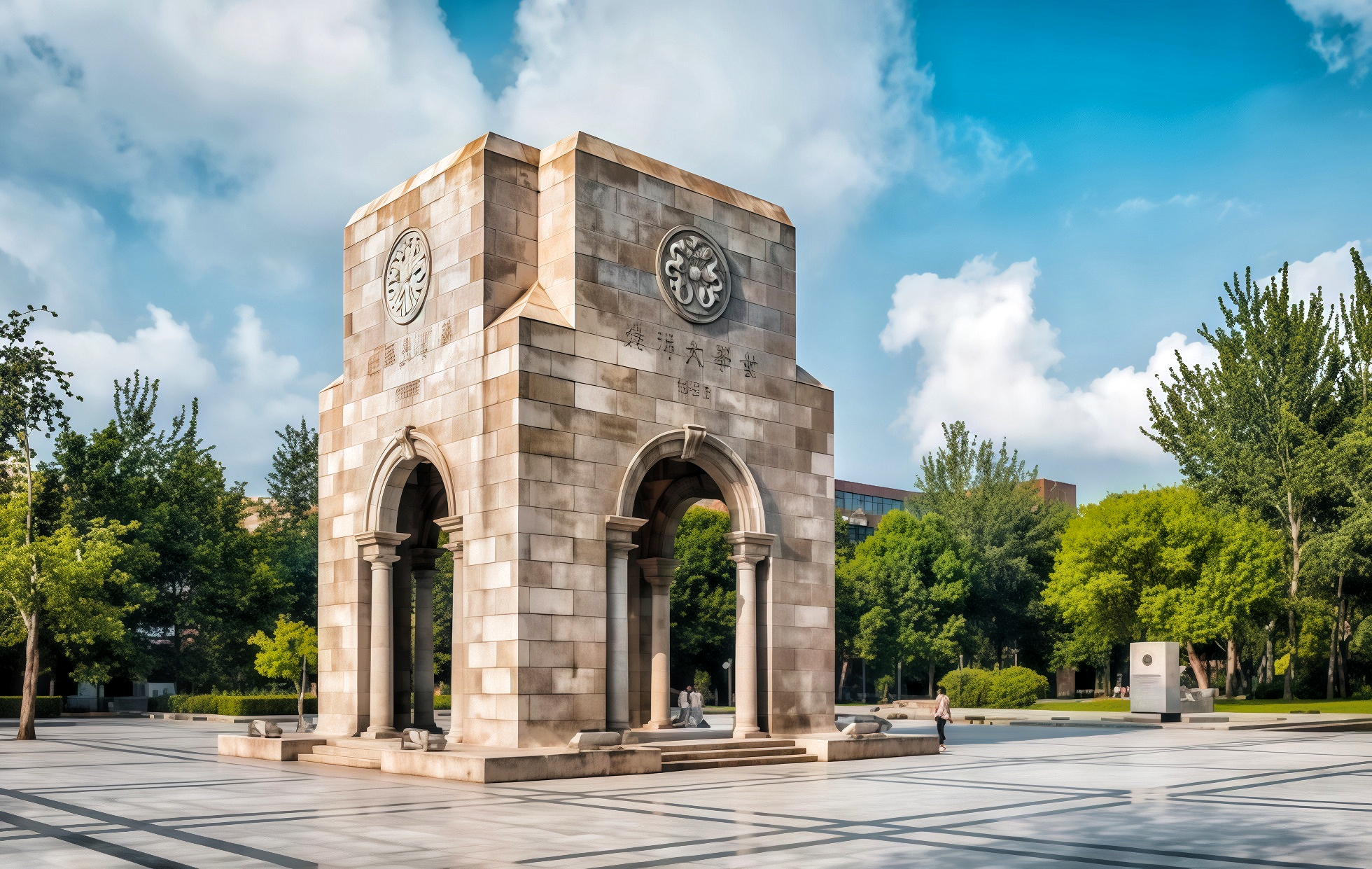
> - The architecture of the academy's historic site possesses a dignified and solemn aesthetic, making it perfectly suited for wide-angle shots to capture the full panoramic view.
> - The lighting within the exhibition halls is soft and diffused; using a wide-aperture lens is recommended to effectively capture fine details and textures.
Echoes of History: From Ruins to Remembrance—A Legacy Preserved
The Tragedy of the Gengzi Year: A Fall Beneath the Iron Hooves of Foreign Powers
During the Gengzi Incident (the Boxer Rebellion) of 1900, the Eight-Nation Alliance captured Tianjin. The machinery and equipment at the Eastern Bureau Arsenal were dismantled and sold off, while the Naval Academy itself was seized and occupied by Russian troops. The archives documenting twenty years of academic operations were utterly obliterated; thus, this institution—once the cradle of naval talent—was ultimately reduced to rubble beneath the iron hooves of foreign powers.
The Yan Fu and Beiyang Naval Academy Memorial Hall
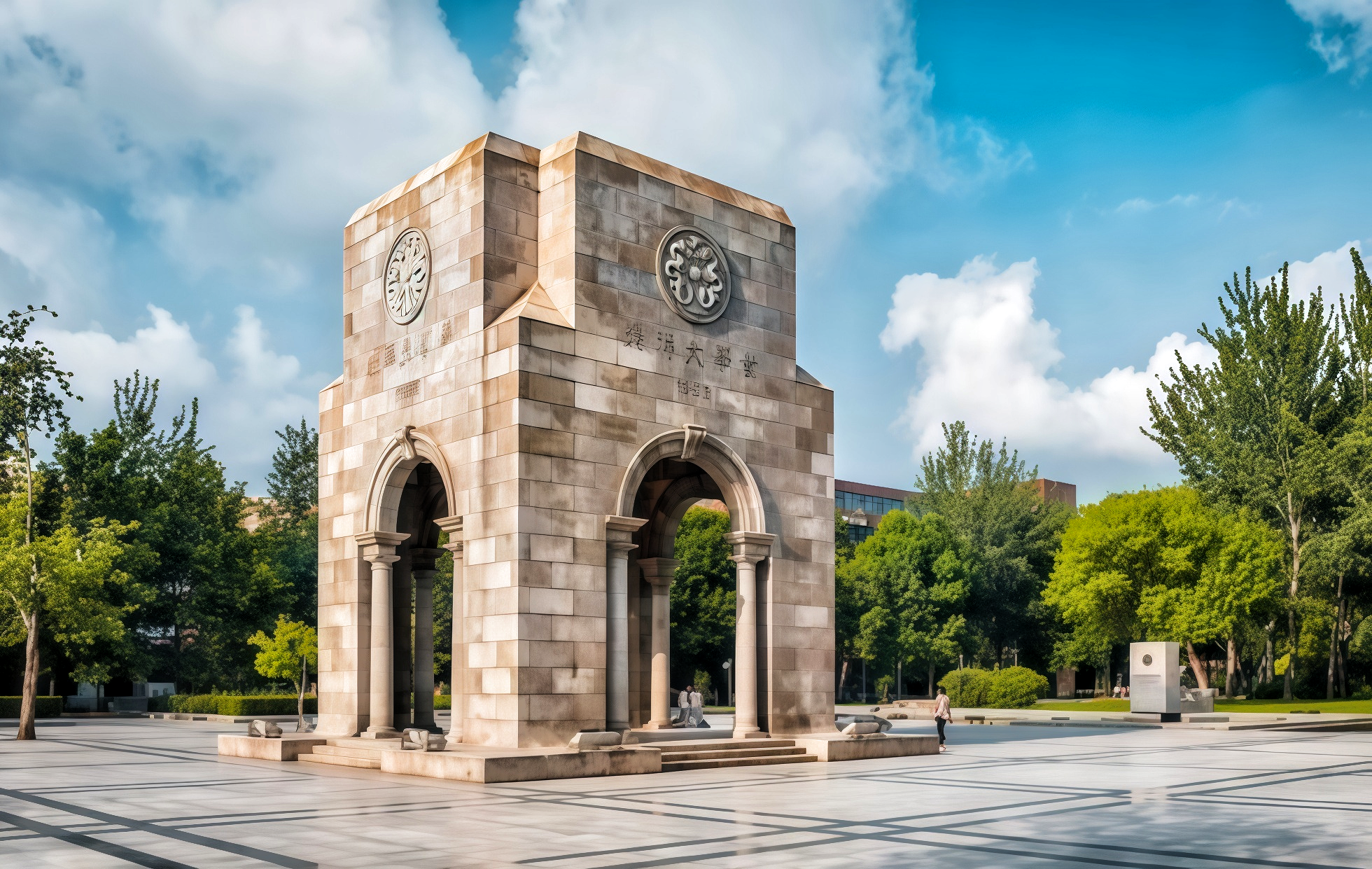
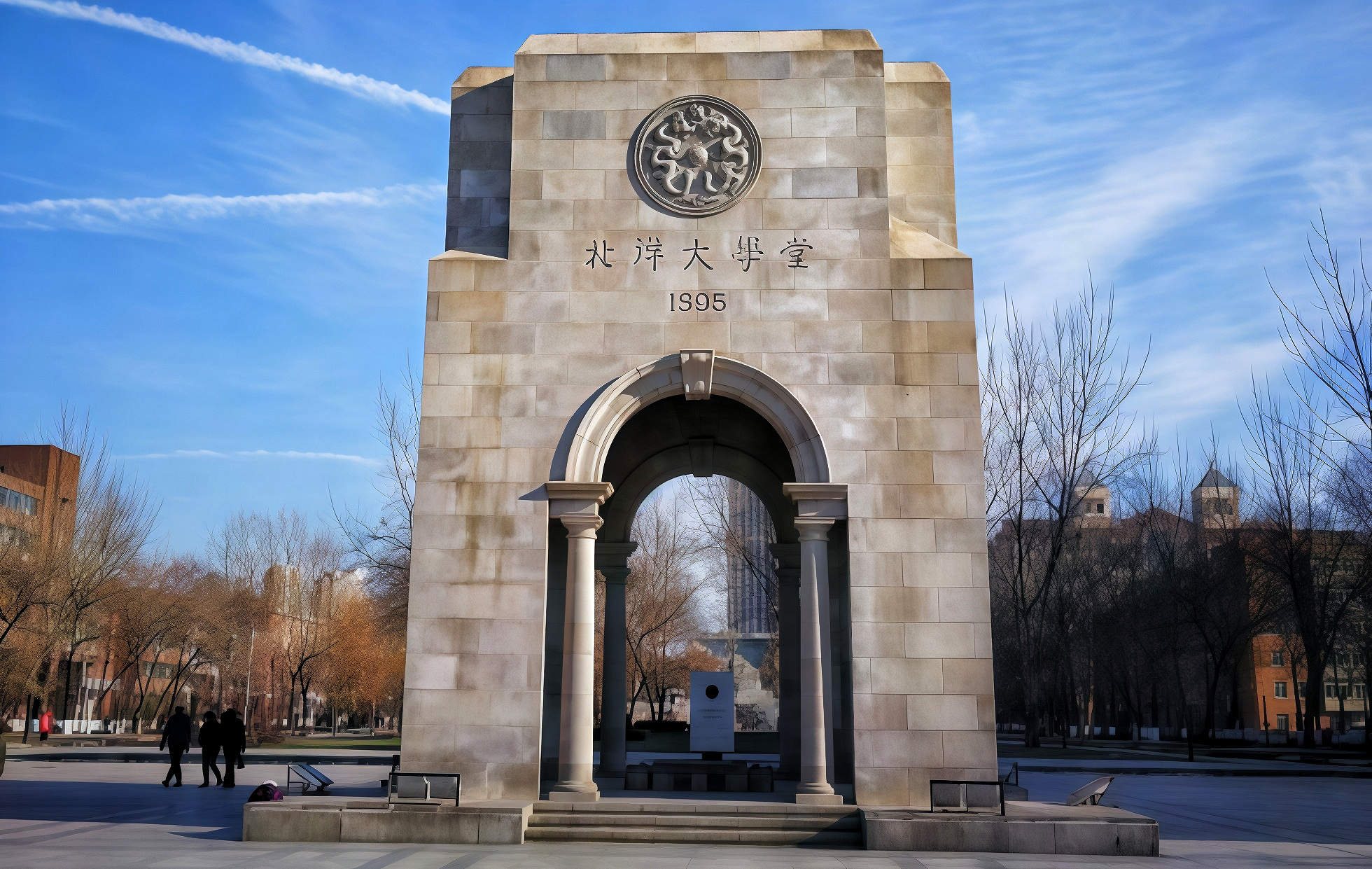
Today, the Yan Fu and Beiyang Naval Academy Memorial Hall stands near the academy's original site. It showcases the life and deeds of Yan Fu—including his significant translation works—as well as the history and evolution of the Beiyang Naval Academy itself. The museum houses a vast collection of historical artifacts and photographs, offering visitors a deeper understanding of the development of modern education and technology in China. Located at No. 1 Dongjuzi, Hedong District, the memorial hall is open year-round and serves as an essential destination for anyone wishing to explore the history of Tianjin's modernization.
Contemporary Significance: Inheriting the Dream of a Strong Nation
The rise and fall of the Beiyang Naval Academy serves as a microcosm of the Self-Strengthening Movement during the late Qing Dynasty. It affirmed the pivotal role of prioritizing education in naval development, yet simultaneously exposed the fundamental limitations inherent in the feudal system of the time. Looking back today, the academy's significance extends far beyond mere military instruction; it pioneered modern naval education in northern China, cultivating not only commanders and marine engineers but, more importantly, a generation of trailblazers who dared to open their eyes to the wider world.