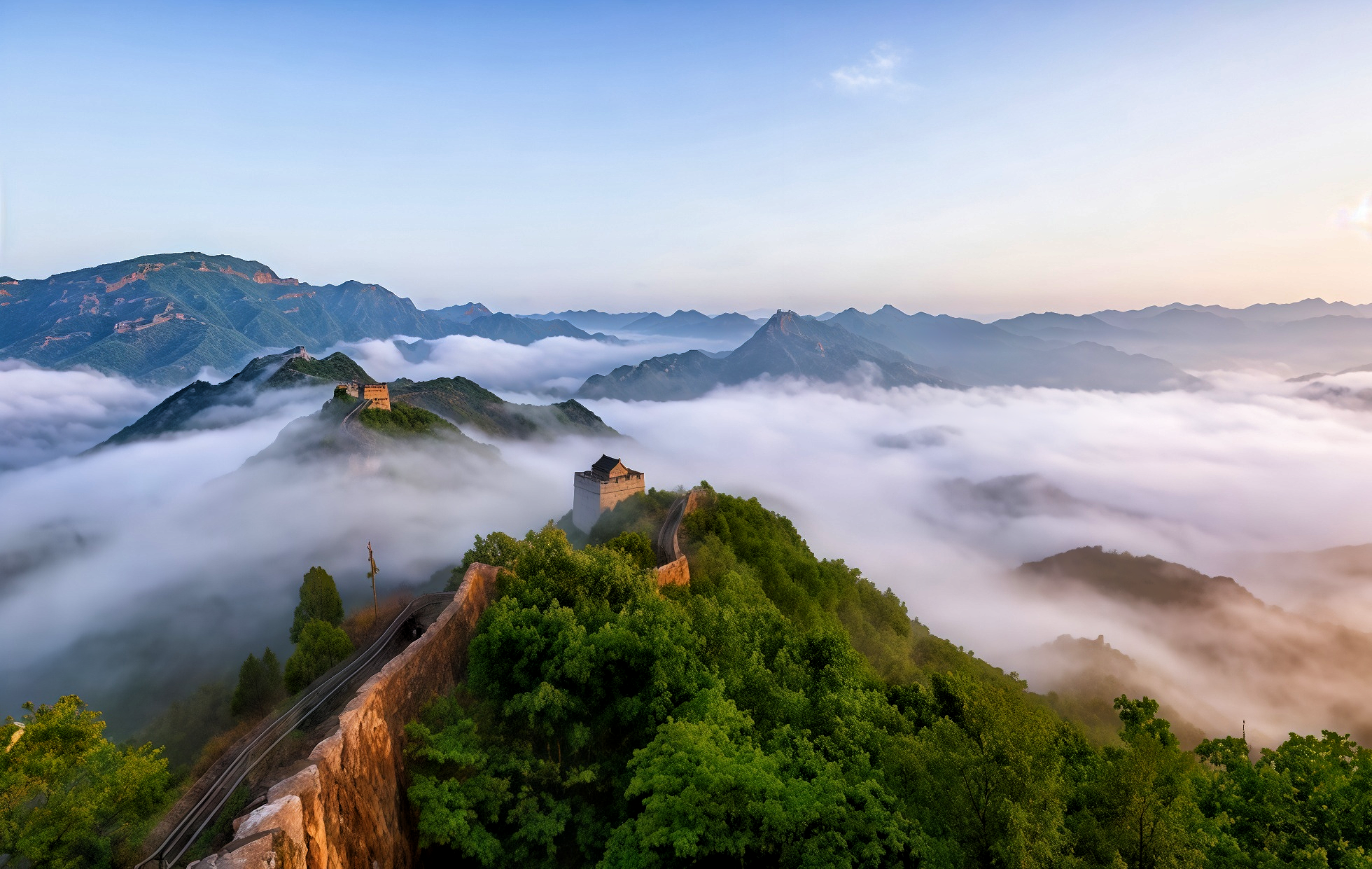
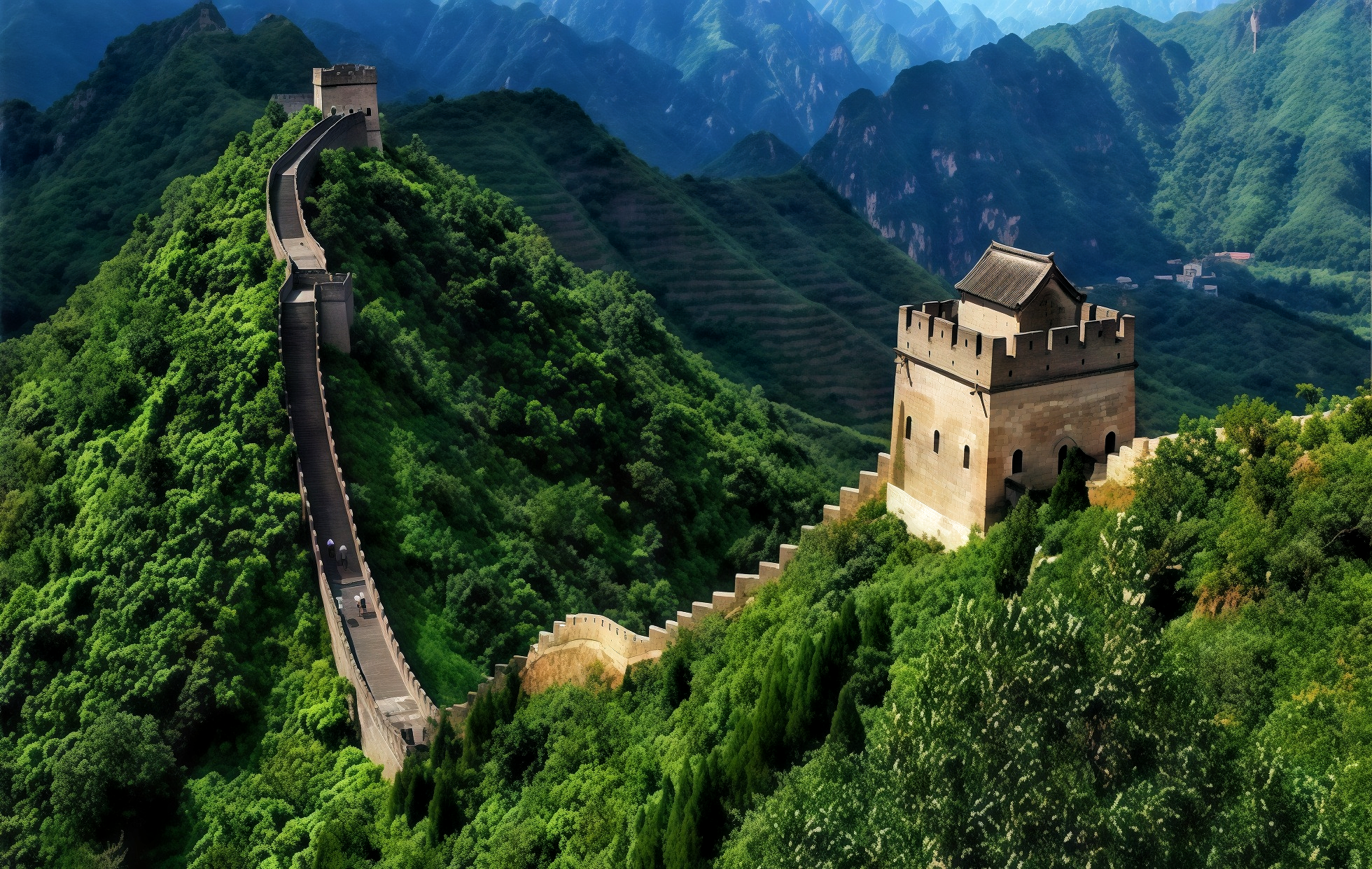
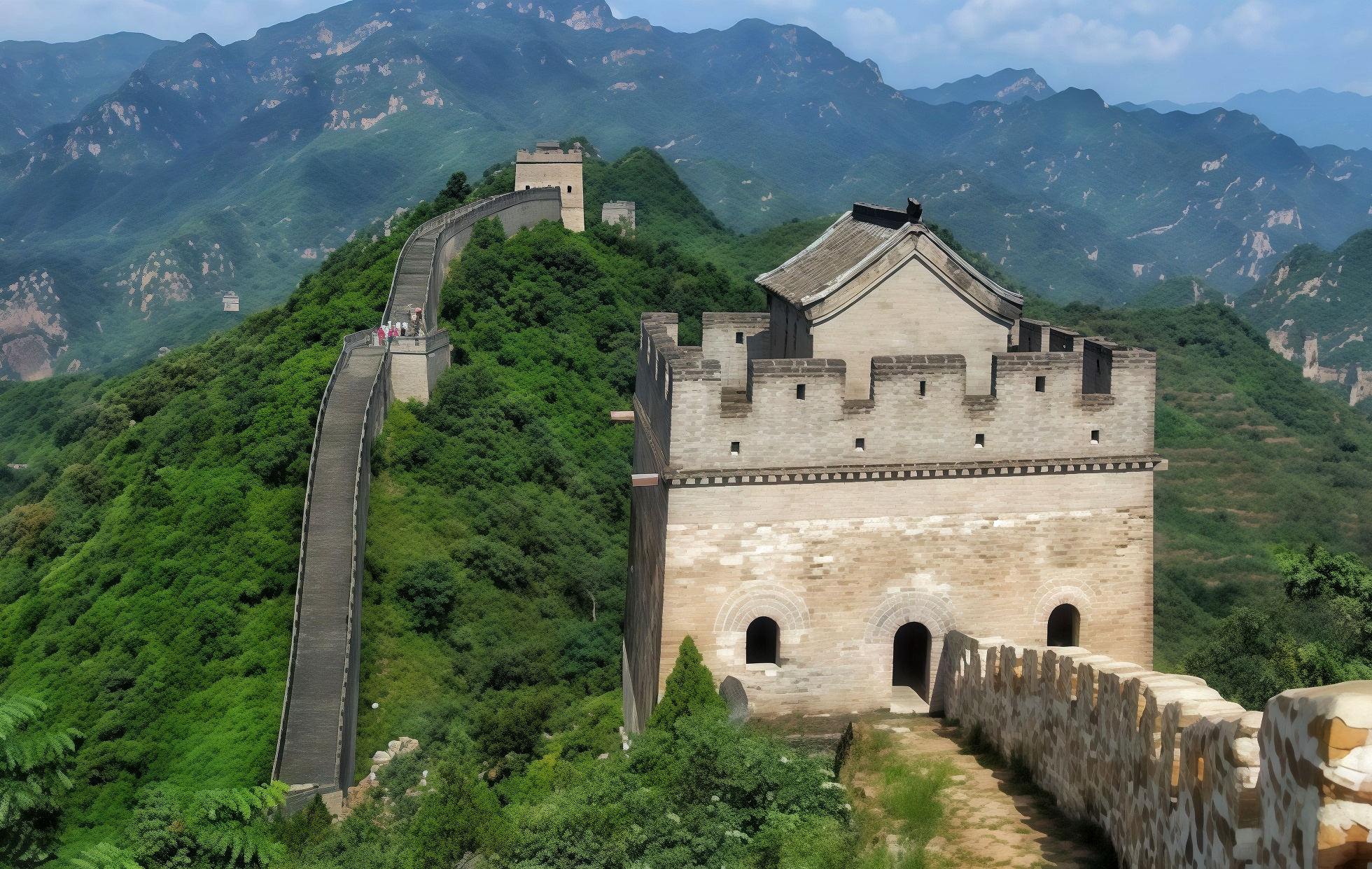
Human Ingenuity—A Military Civilization Suspended Upon the Yanshan Mountains
The structures found here are not merely defensive fortifications; they represent the pinnacle of ancient military wisdom.
- The Bagua Fortress (The "Maze"): The only fortress along the entire Great Wall constructed in the Bagua (Eight Trigrams) layout, it stands as a unique masterpiece of ancient military engineering. The fortress walls span a perimeter of 890 meters, covering an area of 38,000 square meters, and are shaped like an irregular knife handle. The streets within are arranged according to the Bagua orientations attributed to the legendary figure Fuxi; dozens of dead-end alleys, through-passages, and staggered T-junctions form an intricate, labyrinthine network. Wandering through it feels like entering a true maze—easy to enter, yet difficult to exit—a testament to the genius of ancient military defense design.
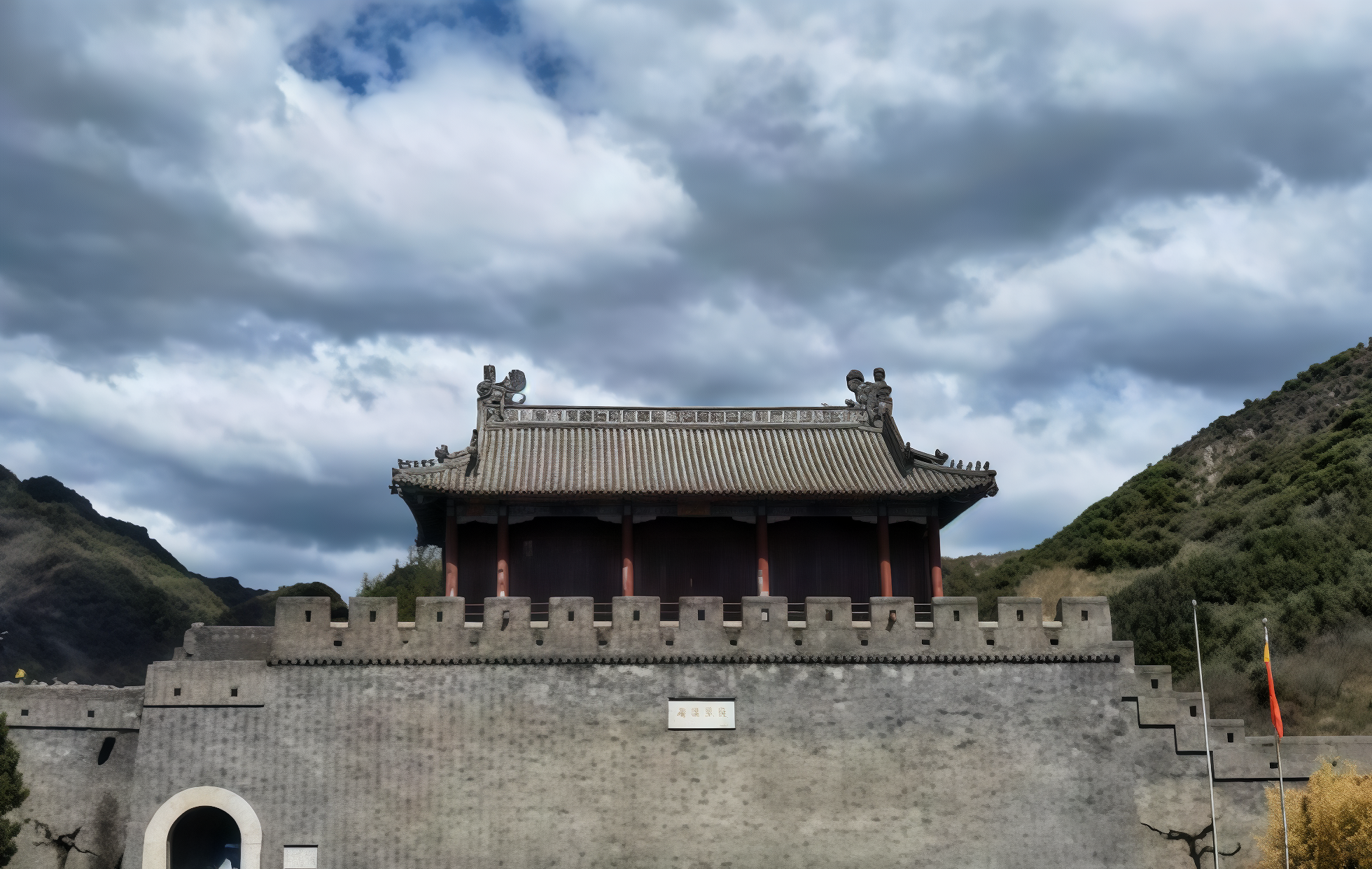
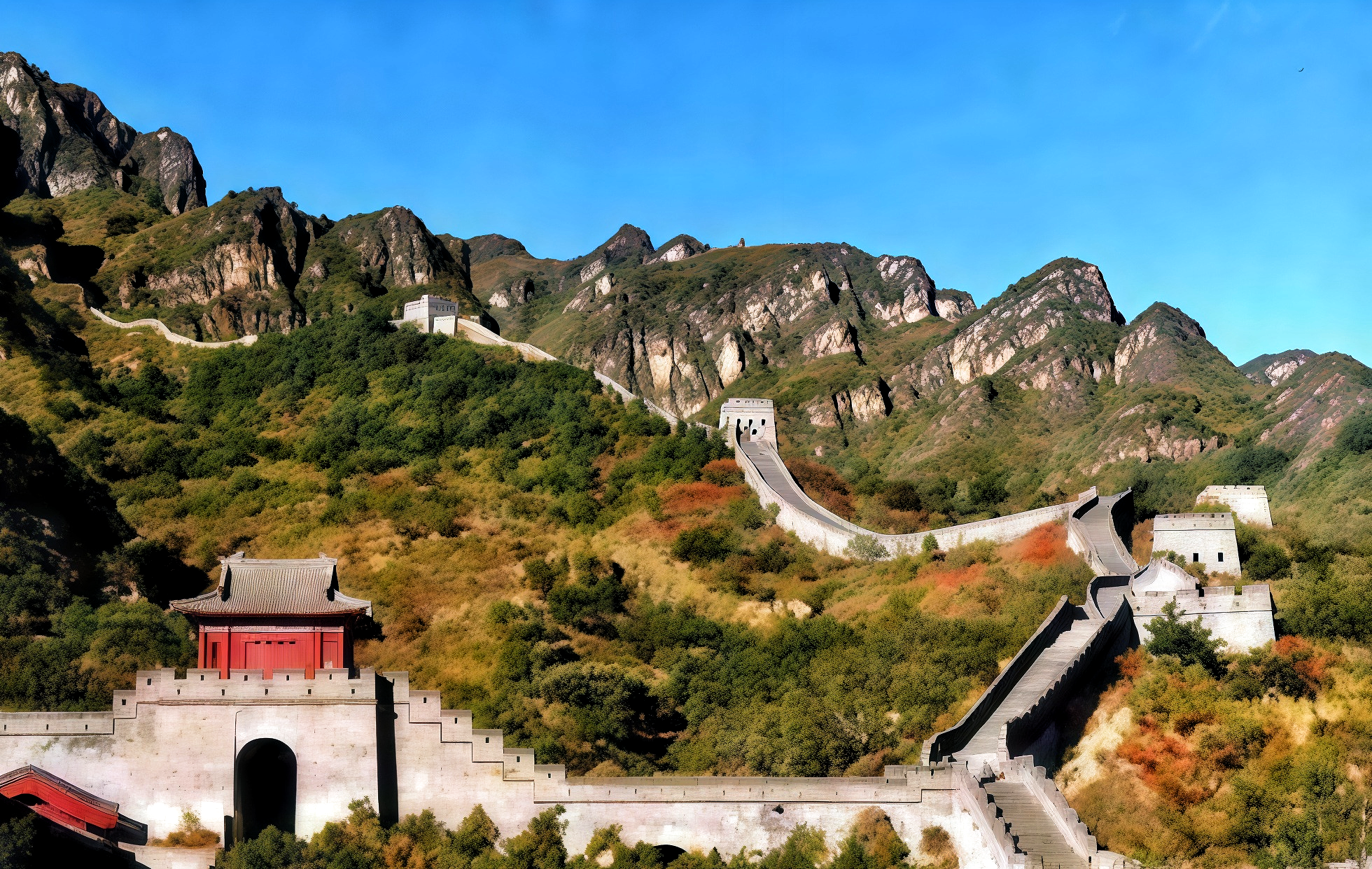
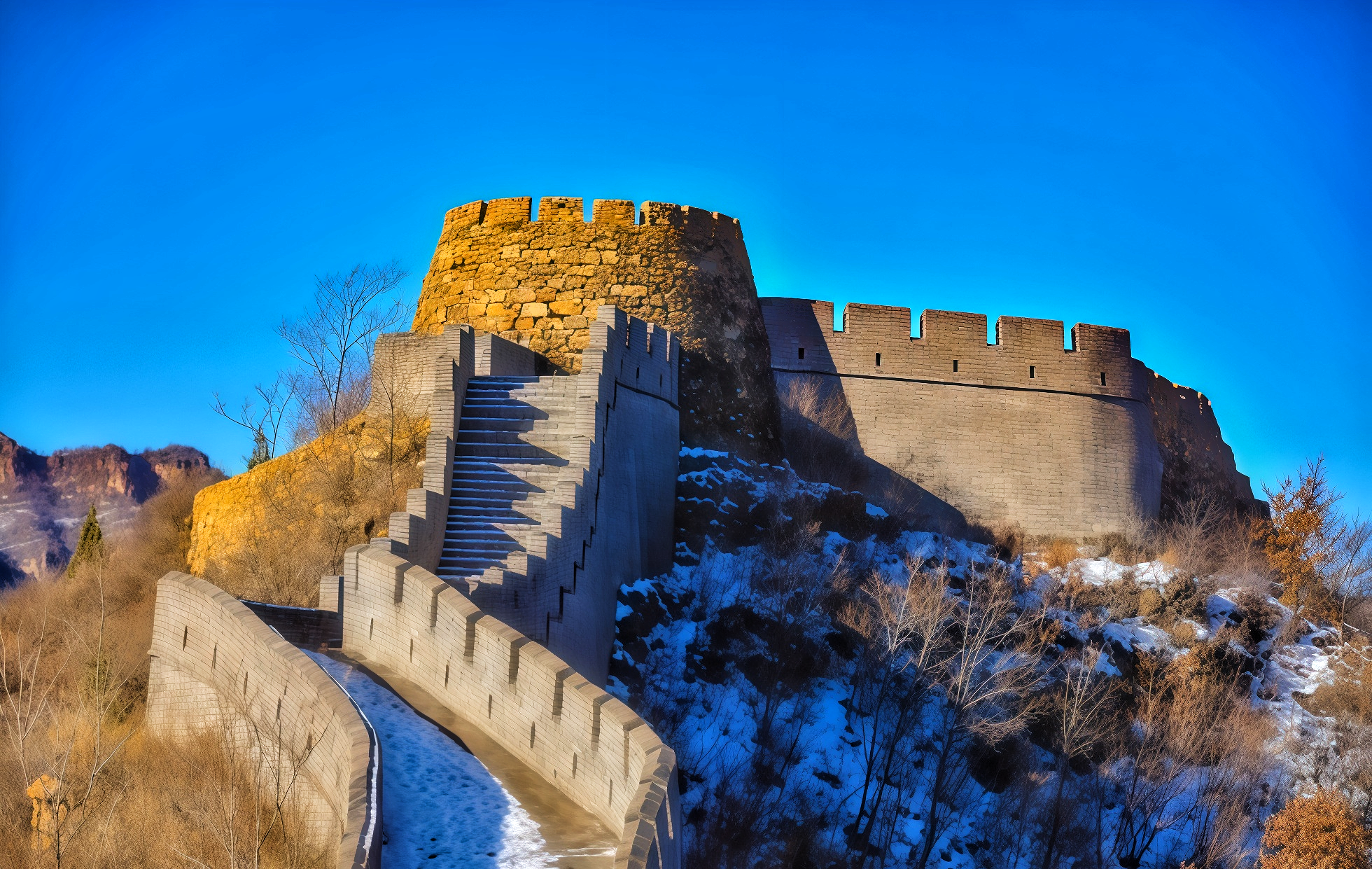
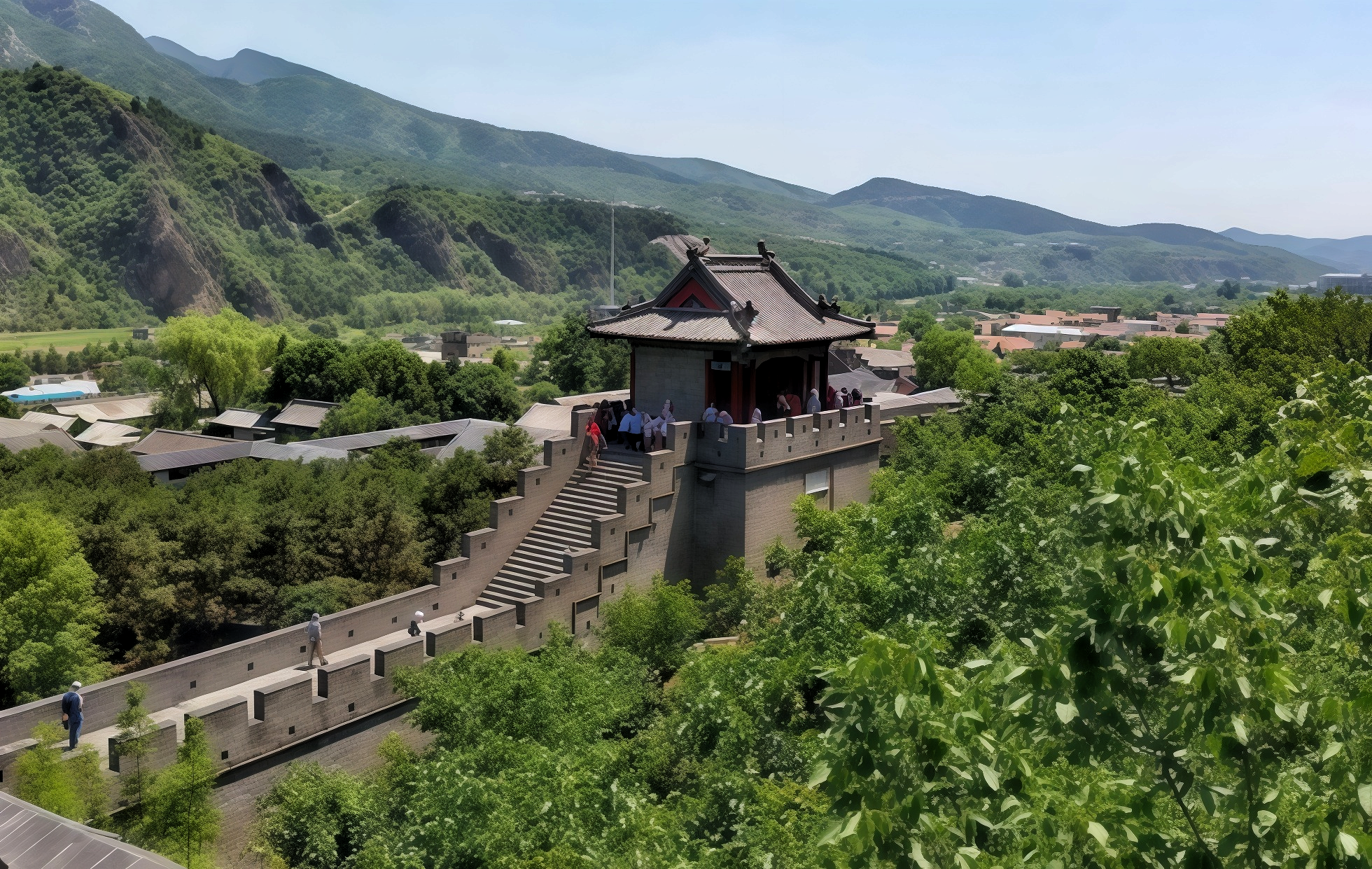
- Huangya Main Pass and the "Jibei Xiong Pass" Archway: Standing just outside the fortress's southern gate is a Ming Dynasty archway. The inscription on the front reads "Jibei Xiong Pass" (The Mighty Pass of Northern Ji), while the reverse bears the phrase "Jintang Gonggu" (Impregnable and Secure); these eight characters eloquently capture the strategic importance and structural solidity of Huangya Pass. From atop the fortress walls, visitors can enjoy a panoramic view of the Bagua Fortress below and gaze out at the winding expanse of the Great Wall stretching into the distance.
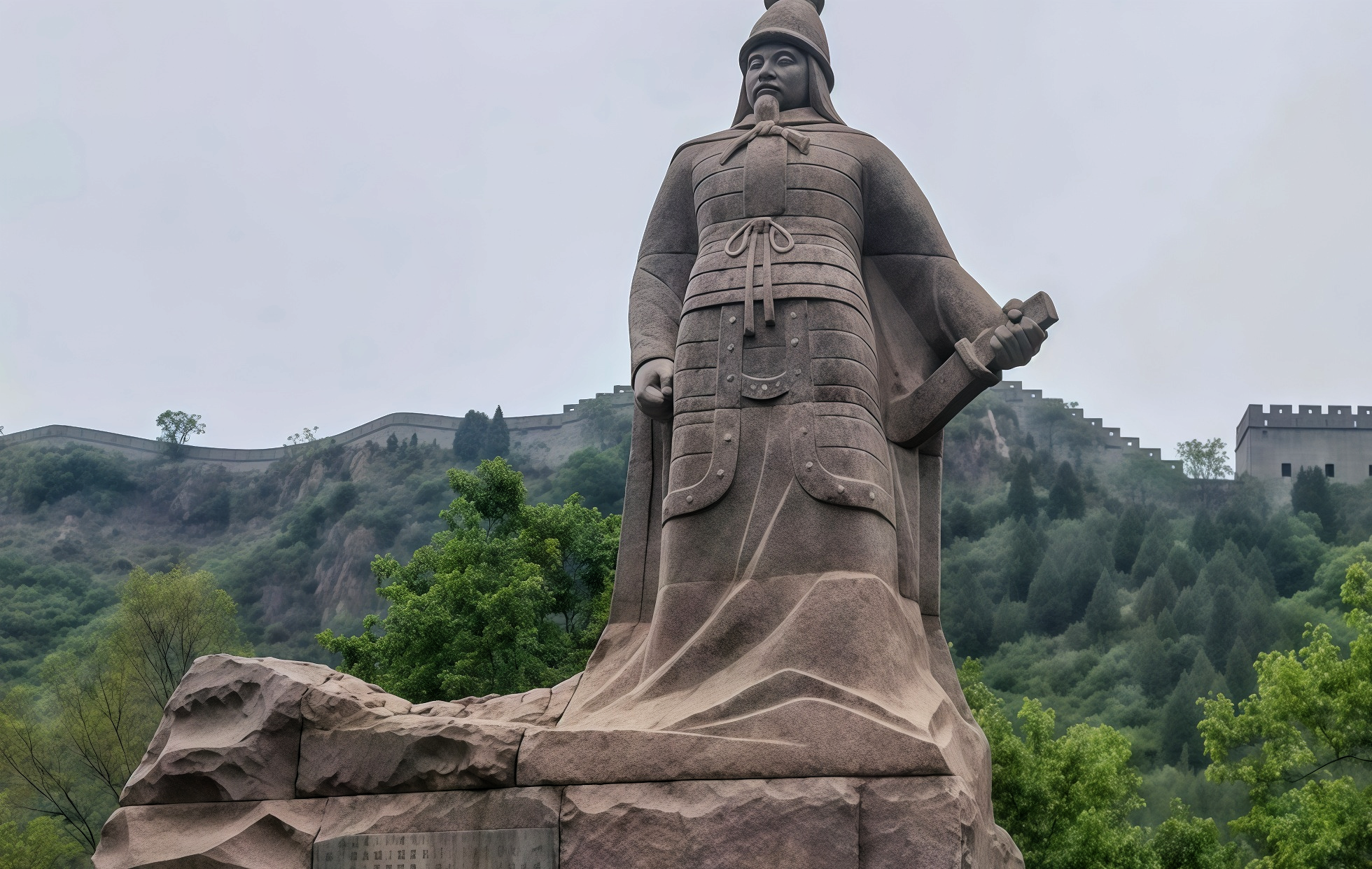
- Taiping Village and the Statue of Qi Jiguang: Located at the eastern entrance of this section of the Great Wall, a majestic statue of General Qi Jiguang—carved from red granite sourced from Mount Tai—stands tall. This renowned general from Penglai, Shandong, is depicted with his hand resting on his sword and his gaze fixed forward, exuding an air of heroic grandeur; the statue commemorates his immortal achievements in defending the Jizhou region for sixteen years.
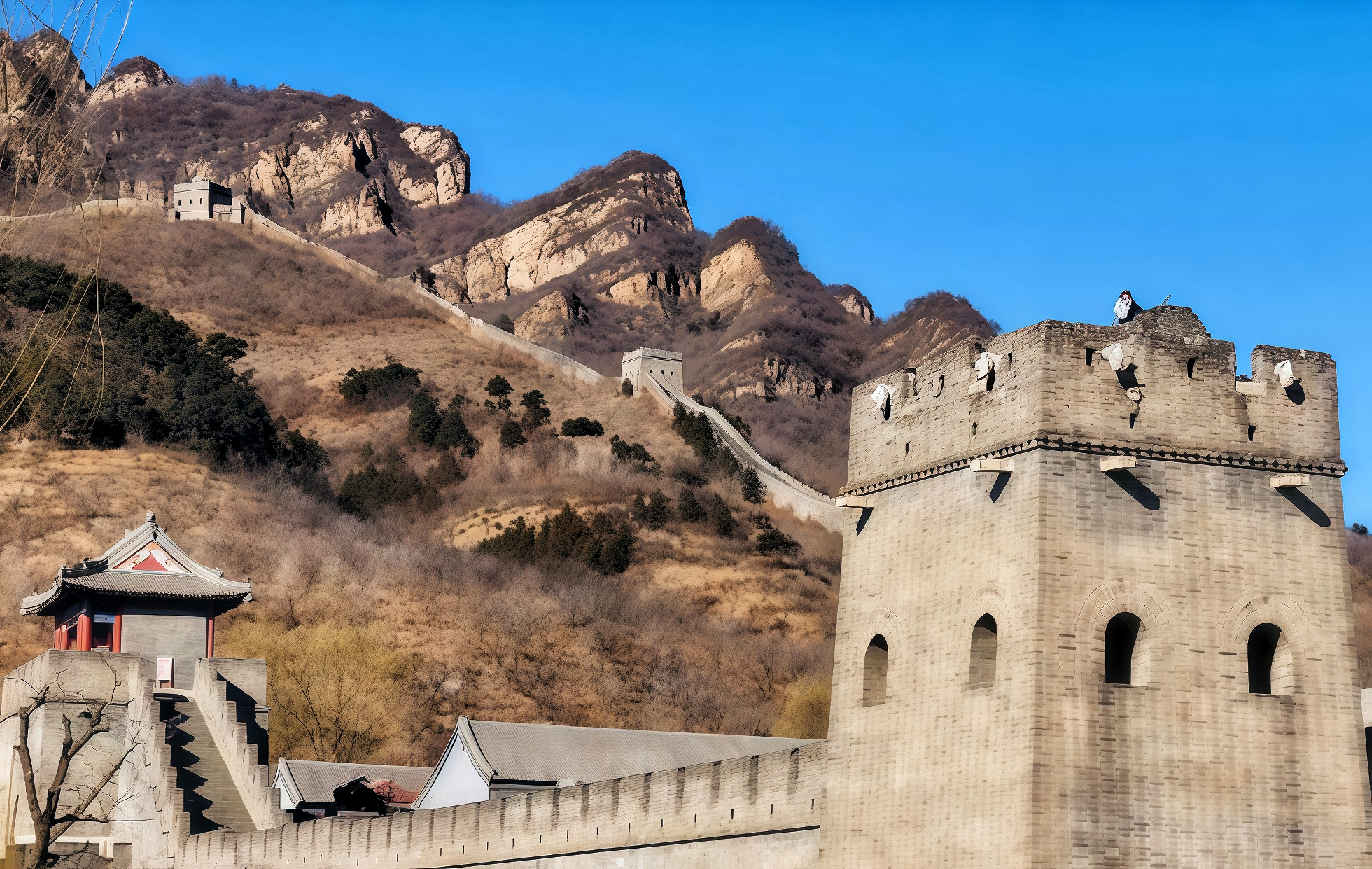
- The "Jinguo" Tower and the "Widow's" Tower: Behind these two watchtowers lie moving human stories. Legend has it that twelve soldiers from Henan province sacrificed their lives during the construction of the Great Wall. Their wives traveled thousands of miles in search of their husbands; upon learning the tragic truth, they used their bereavement stipends to fund the construction of these towers. To honor these twelve women—who demonstrated such profound righteousness—the locals named the structure the "Jinguo Tower" (The Tower of Heroic Women).
- The Huangya Water Pass: Spanning across the Ju River, this five-arched bridge structure serves as a remarkable example of engineering that is both functional and aesthetically pleasing. Crowning the structure are crenellated parapets and patrol walkways, while beneath lie five arched water sluices; with the water flowing swiftly below the pass, it serves as the second line of ancient military defense situated south of the Phoenix Tower.
- The Great Wall Museum and Stele Forest: China’s first museum dedicated to the Great Wall, housing a rich collection of cultural relics and historical archives. The Stele Forests—featuring the "Hundred Generals," "Hundred Schools of Thought," and the calligraphy of Mao Zedong’s poetry—showcase masterpieces of contemporary calligraphy, while the Hall of Famous Bamboo Couplets stands as a true cultural treasure.
> Photography Tips:
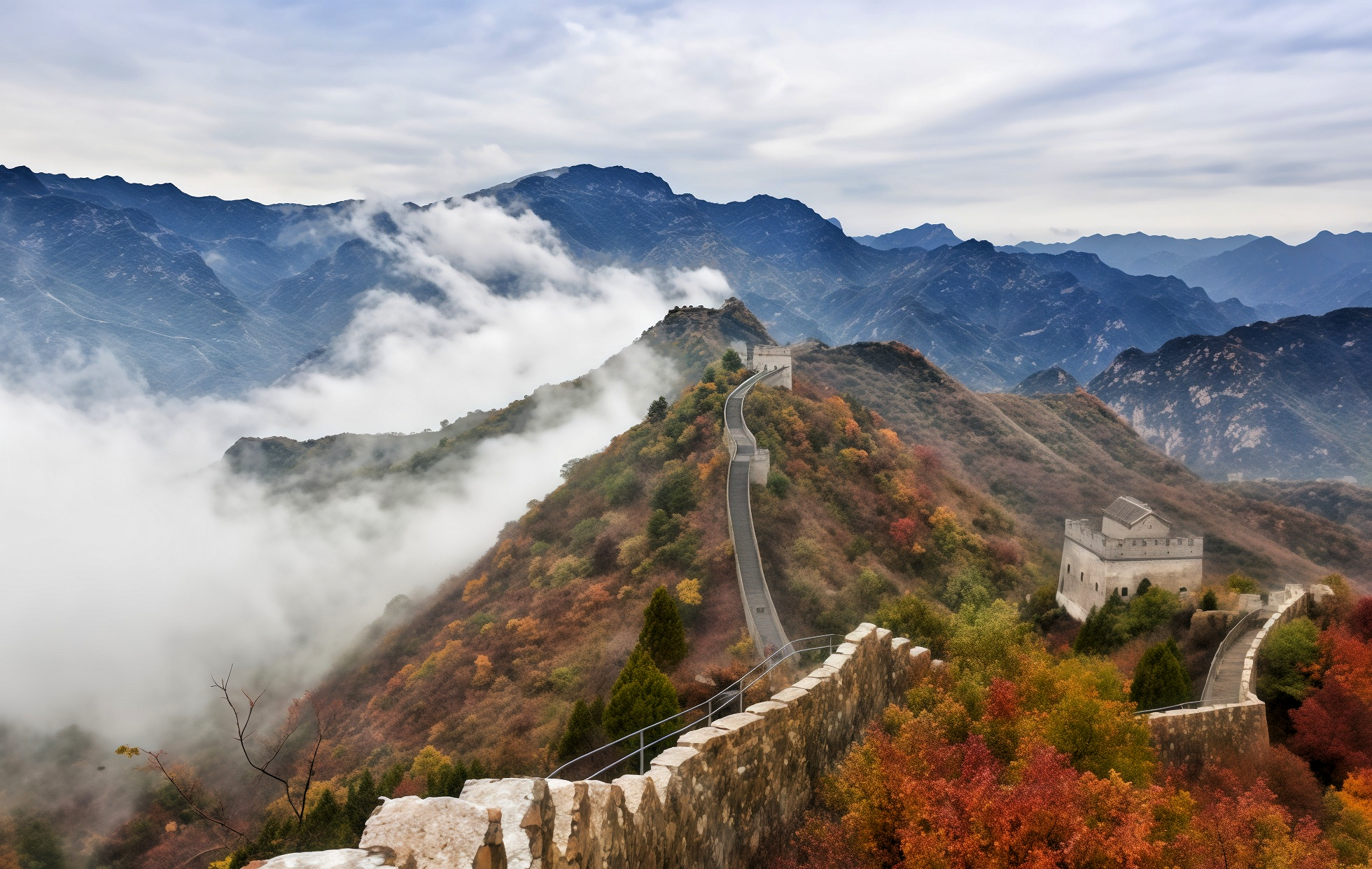
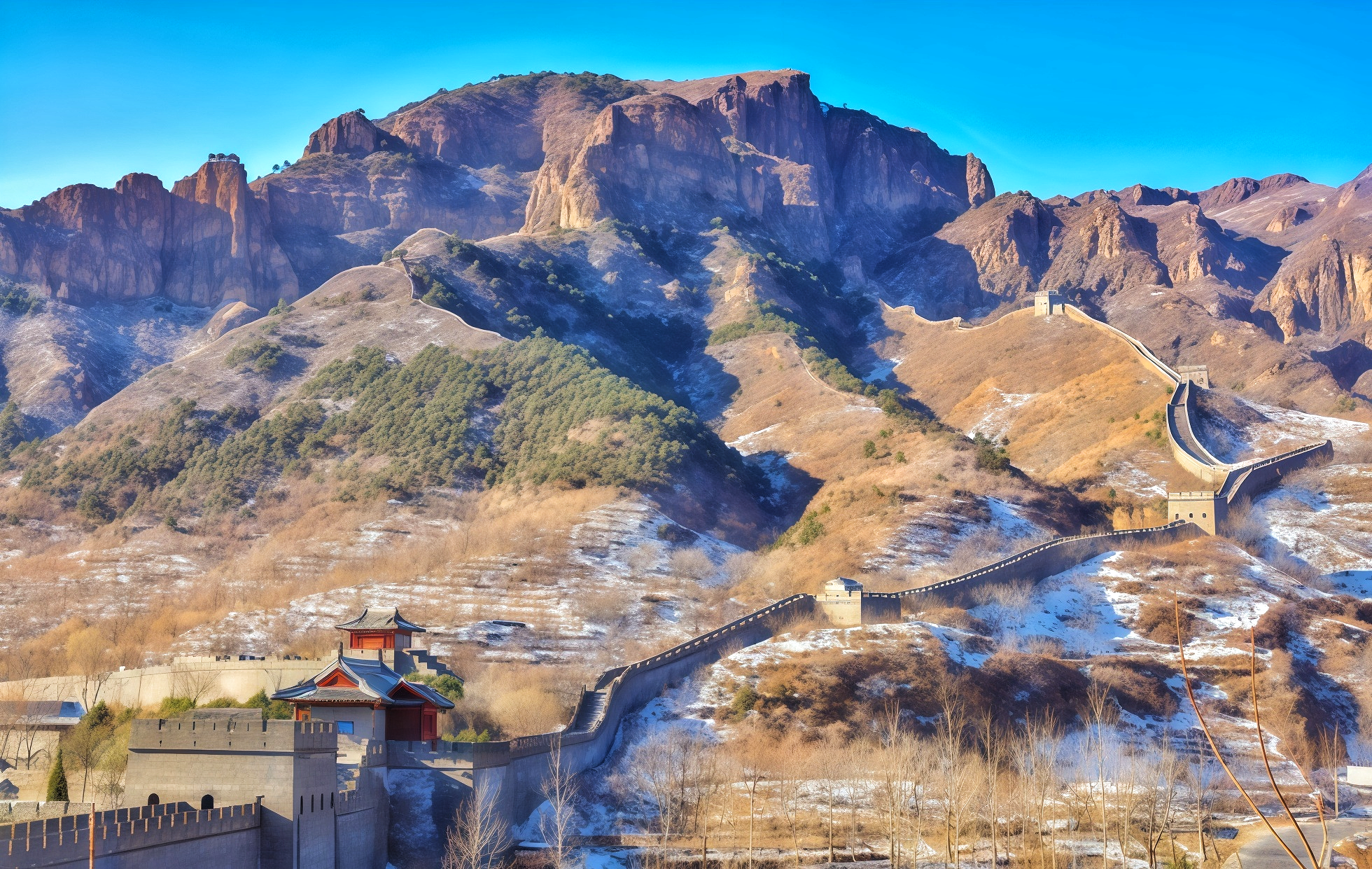
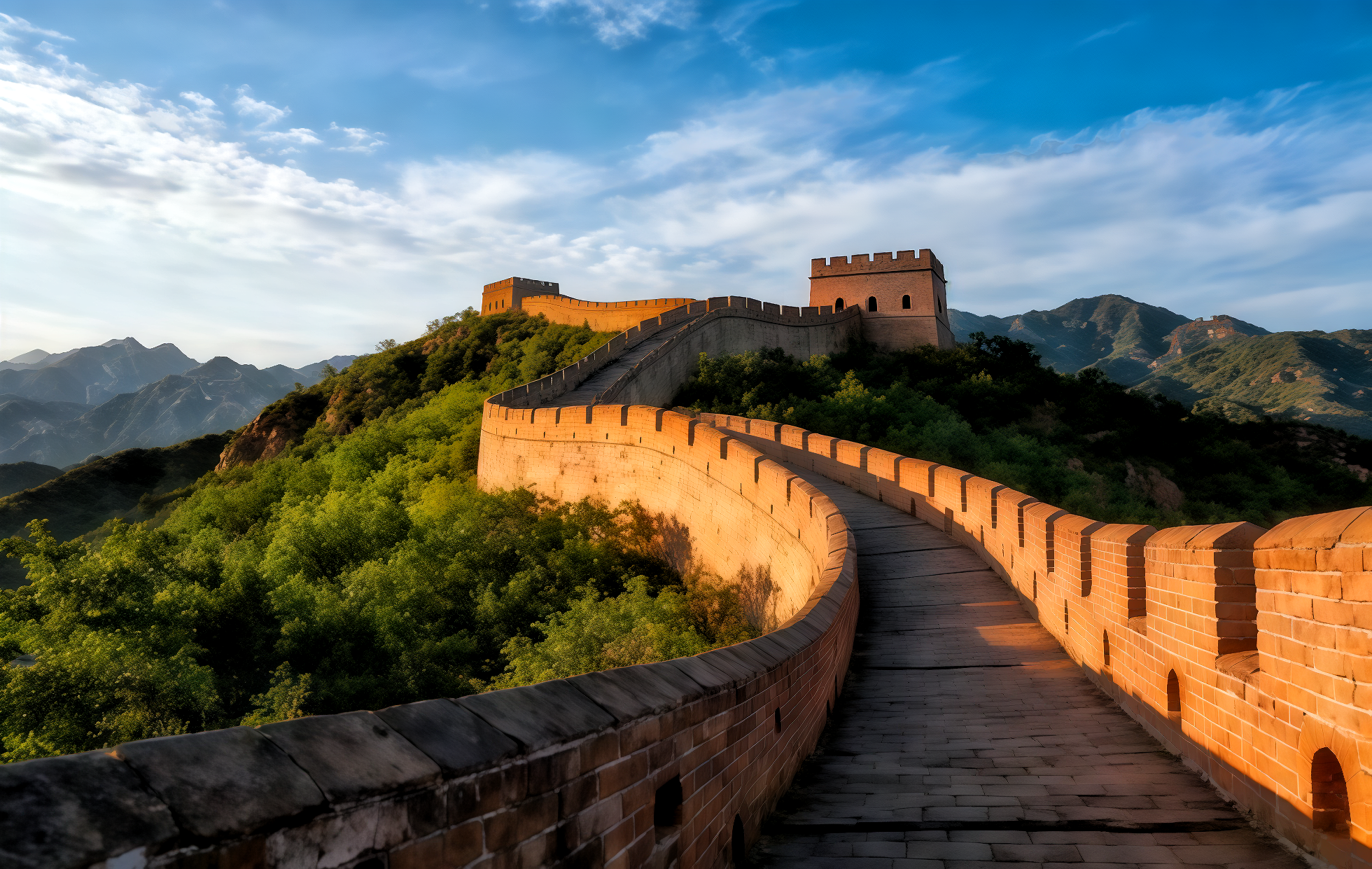
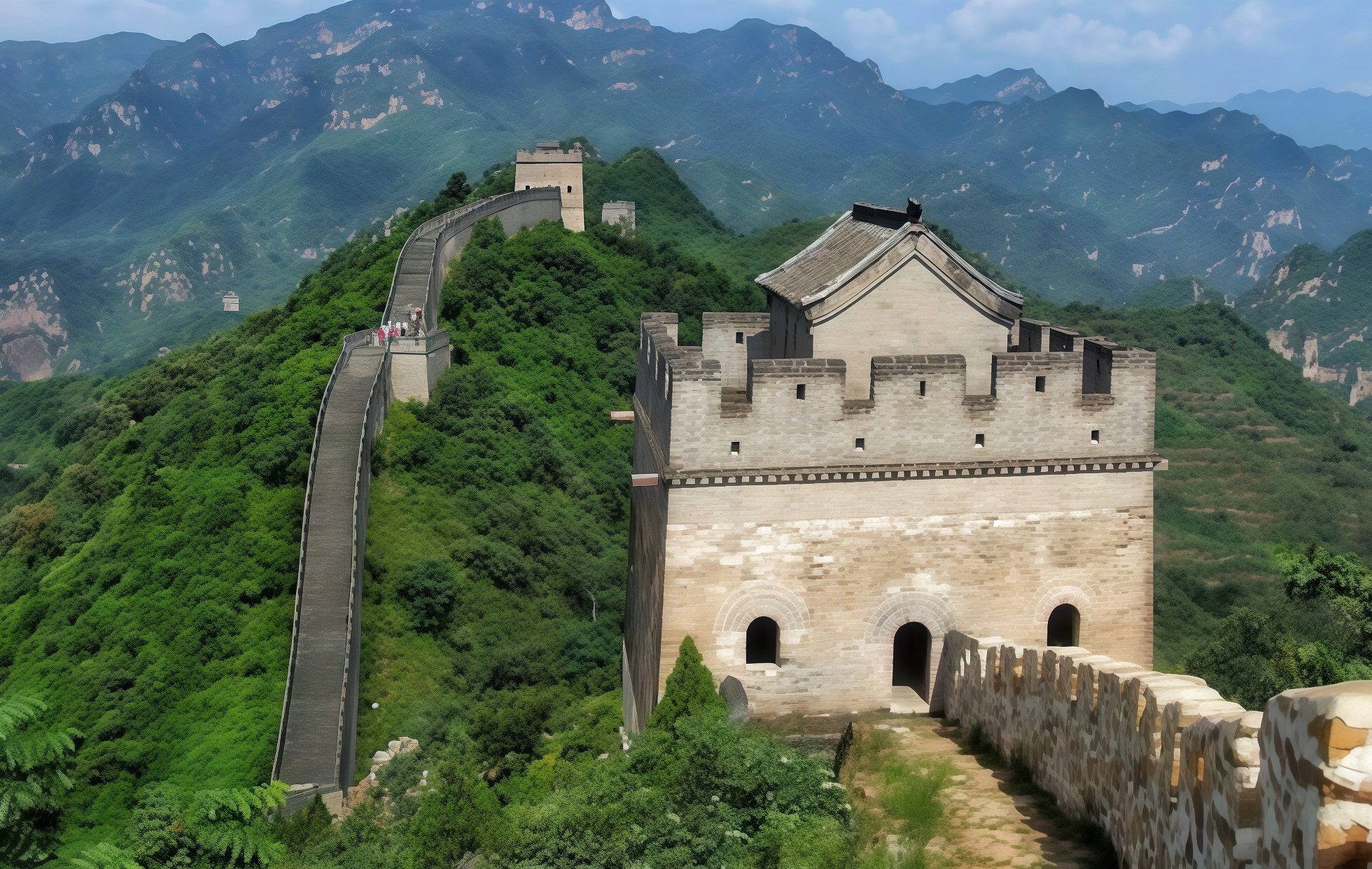
> - The best vantage point for panoramic shots is at the Taiping Village section, offering a sweeping view of the Great Wall as it coils across the mountain ridges like a colossal dragon.
> - To capture an aerial-style view of the Bagua City (Eight Trigrams City), you must ascend the watchtower at the Huangya Main Pass; from there, the city's square layout and labyrinthine streets are laid out in full view.
> - The optimal time to photograph the "Huangya Sunset" is 30 minutes before dusk, when the yellow-brown cliffs on the eastern side are bathed in a golden-red glow.
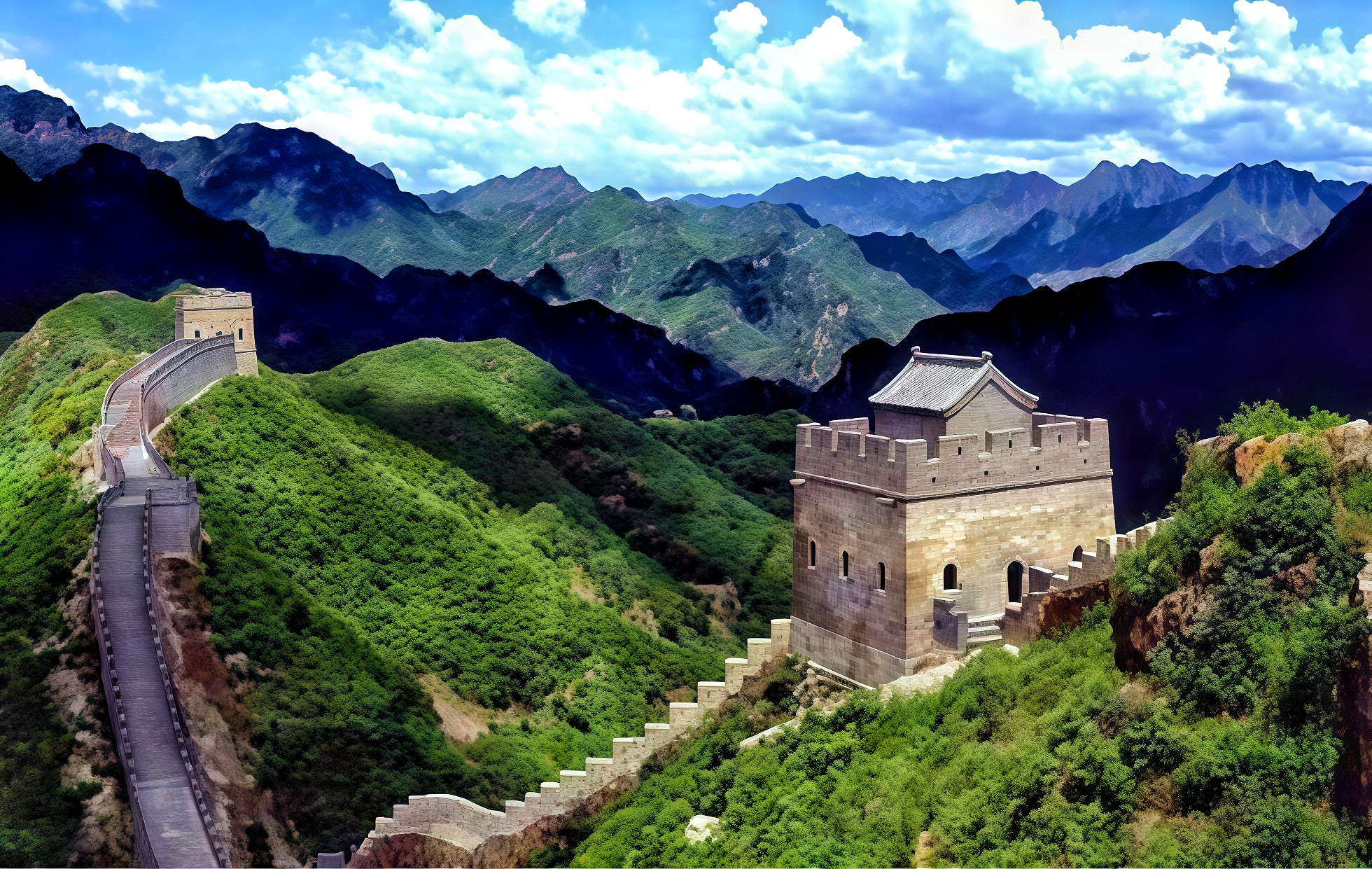
> - Drone flight is permitted (subject to scenic area regulations), offering the opportunity to capture breathtaking perspectives of the Great Wall winding majestically across the peaks of the Yanshan Mountains.
Nature's Masterpiece—The Breath and Pulse of the Yanshan Mountains
The natural landscape of Huangyaguan is an eternal dance of mountains, stone, light, and shadow.
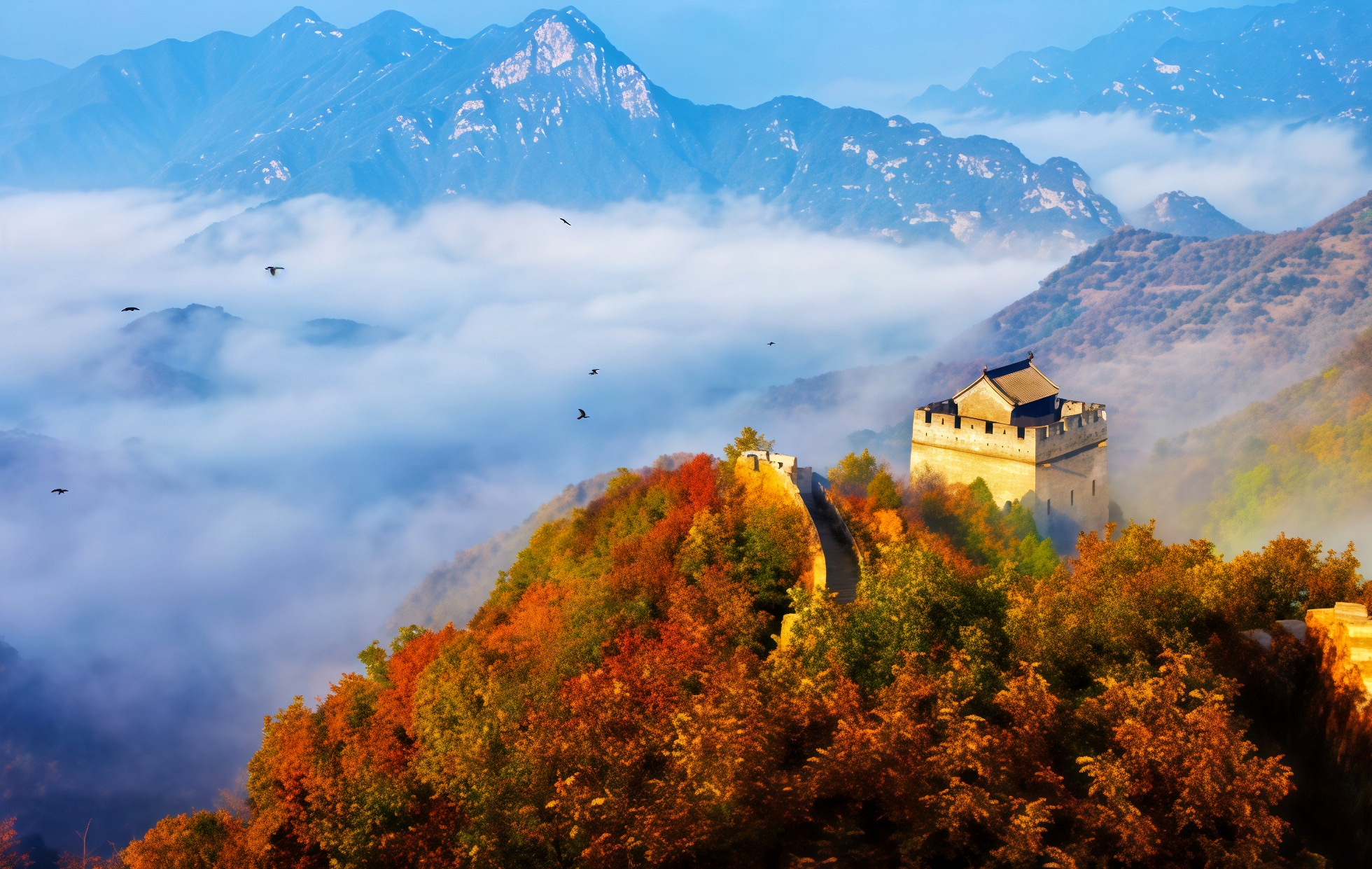
- The Huangya Sunset—One of the "Ten Scenic Views of Tianjin": The very soul of the Huangyaguan landscape. Because the cliffs on the eastern side are rich in iron deposits, the rock faces possess a distinct yellow-brown hue. As the sun dips below the horizon and its lingering rays cascade down, the entire cliff face—along with the fortress bricks and crimson foliage—is bathed in a warm, orange glow. In that moment, the name "Huangyaguan" (Yellow Cliff Pass) finds its most vivid and poetic expression. The best season for viewing is autumn, with the prime location being the Taiping Village section.
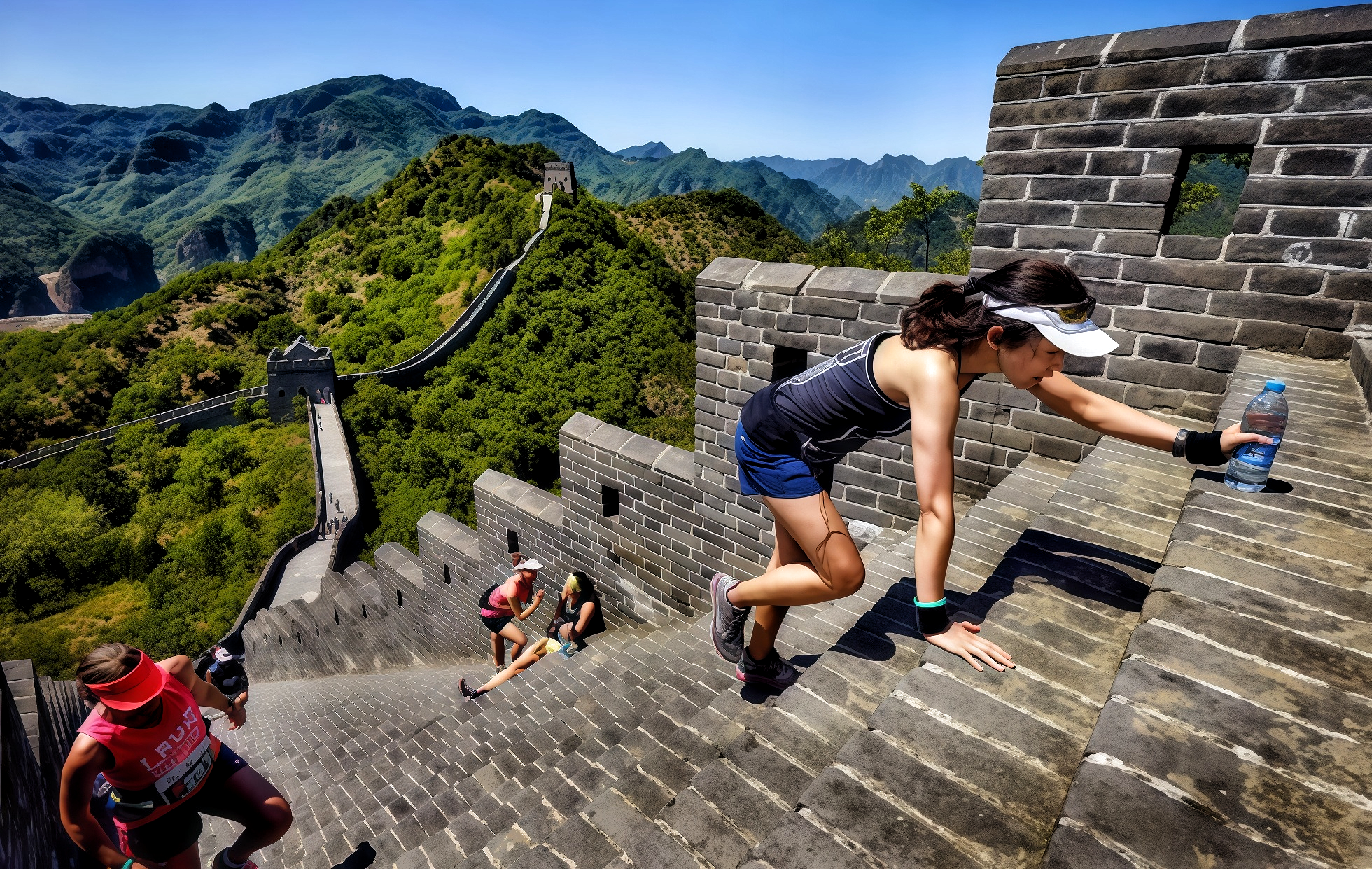
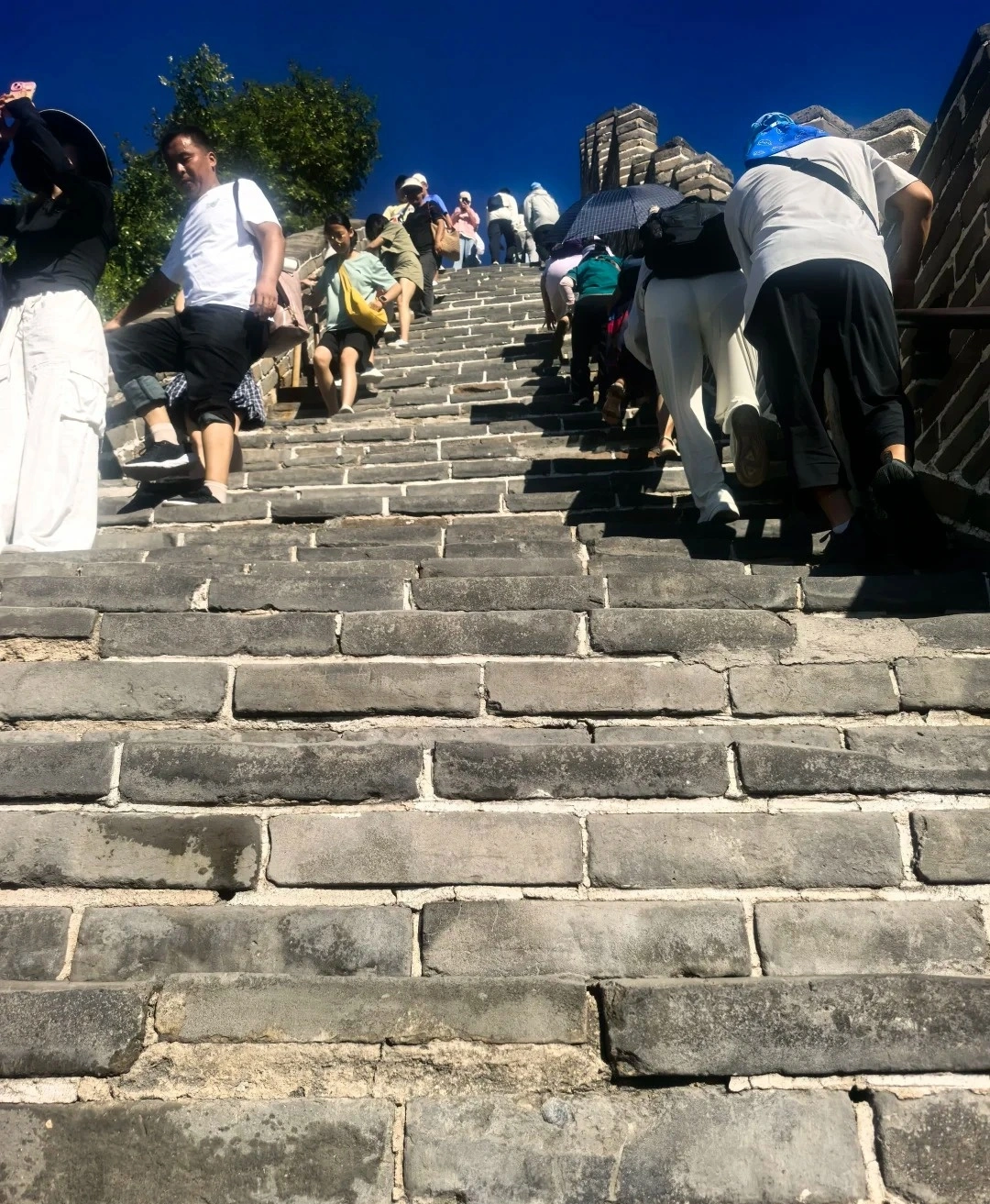
- Ruins of the Ancient Northern Qi Great Wall: Situated at the western terminus of the Great Wall section, this site represents the best-preserved and most extensive remains of the Great Wall dating back to both the Northern Qi and Ming Dynasties within the Huangyaguan area. Constructed from rough-hewn stones, this ancient rampart has withstood the elements for over 1,400 years; its weathered walls, now mottled and worn, bear the unmistakable marks of the passage of time. Standing here, one can almost hear the echoes of history resonating through the air. - Huangya Heavenly Ladder: A section of extremely steep stone steps—totaling 306 treads—that seems to pierce the very clouds, hence its name, the "Heavenly Ladder." Flanked by precipitous mountain slopes, the ascent requires the use of both hands and feet, making it a pilgrimage site for outdoor enthusiasts seeking a true challenge.
- Cliff Landscape & Juxian Peak: As the western section of the Great Wall enters the Cliff Landscape Scenic Area, a geological tableau of folded and uplifted terrain unfolds—a landscape initiated during the Indosinian Orogeny and sculpted during the Yanshanian Orogeny. Standing at the Juxian Peak Observation Deck, one beholds mountainsides that appear as if hewn by a blade, exuding a majestic and awe-inspiring presence.
- Autumn's Colorful Forests (Late October – Early November): The mountainsides come alive as maples, smoketrees, and oaks gradually turn crimson, weaving together with the evergreen pines and cypresses to form a magnificent tapestry of autumn hues. As you ascend the stone steps of Taiping Village, a carpet of fallen leaves lies beneath your feet, and the sweet fragrance of persimmons fills the air.
The natural landscape of Huangyaguan offers an experience that goes far beyond mere "sightseeing"; it is fundamentally about "climbing" and "feeling." Every weathered brick of the wall, every rugged mountain ridge, whispers tales spanning a thousand years.