Panshan: A Legendary Journey—From Imperial Retreat to the "Premier Mountain East of Beijing"

Panshan: A Legendary Journey—From Imperial Retreat to the

Overview: An Eastern Beijing Scenic Gem Favored by Emperors

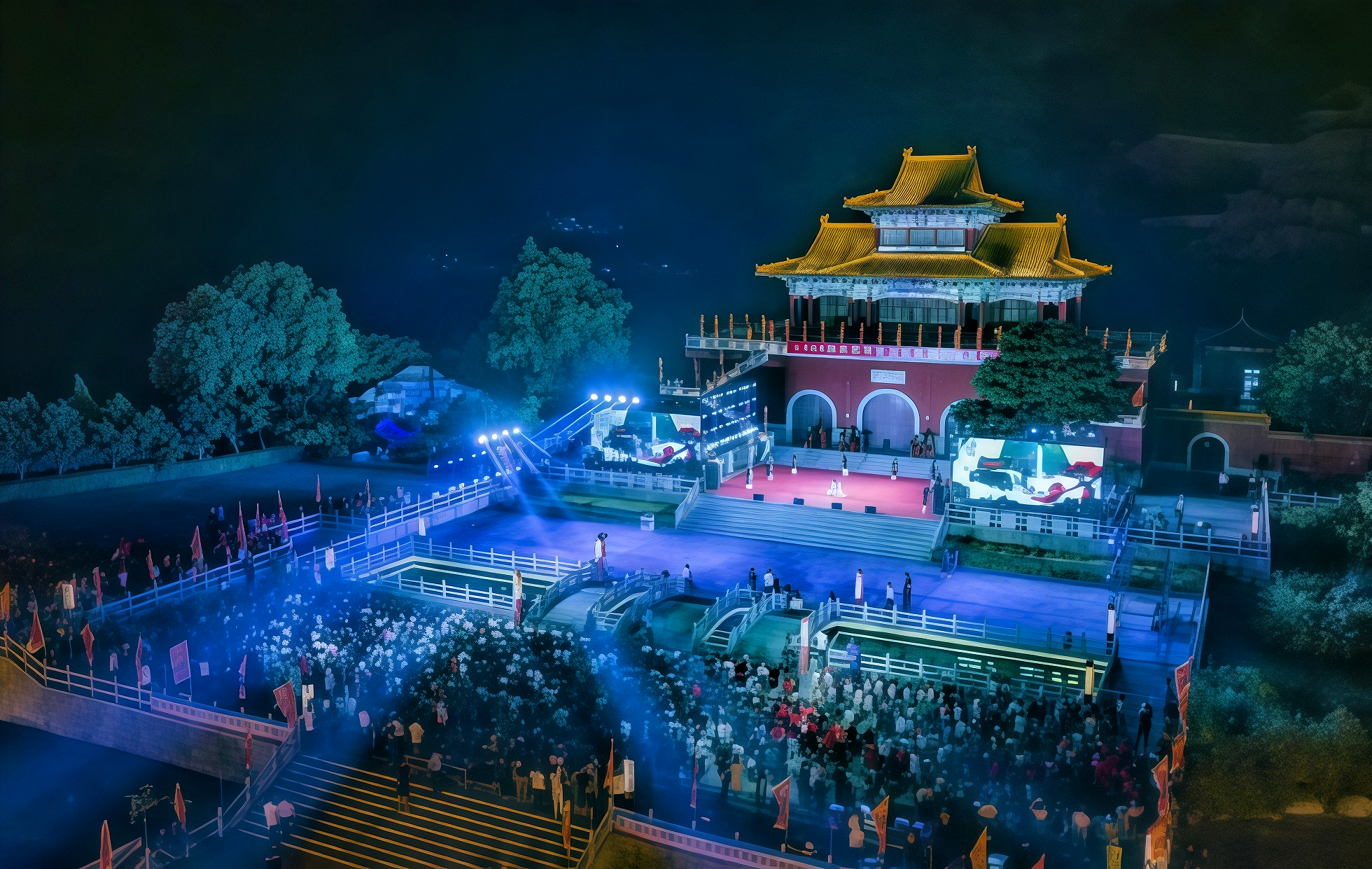
The Panshan Scenic Area is not merely a National AAAAA-level Tourist Attraction and a National Scenic Area; it is a veritable paradise where natural landscapes and historical monuments coexist in harmony, and where Buddhist traditions blend seamlessly with imperial culture.

Key Highlights at a Glance

- Identity Tags: Premier Mountain East of Beijing / The Eastern Wutai Mountain / Imperial Retreat

- Core Experiences: Ascending Guanyue Peak to witness the sea of clouds; exploring the mystical "Three Pans" scenic zones.

- Recommended Visit: 1 Day. It is highly recommended to arrive early in the morning to allow for a thorough, in-depth exploration lasting 5–6 hours.

- Address: Lianhualing Village, Guanzhuang Town, Jizhou District, Tianjin.


  • Panshan: A Legendary Journey—From Imperial Retreat to the
  • Panshan: A Legendary Journey—From Imperial Retreat to the
  • Panshan: A Legendary Journey—From Imperial Retreat to the
  • Panshan: A Legendary Journey—From Imperial Retreat to the

Origins: A Thousand-Year-Old Mountain and Its Imperial Connections

Furong Ancient Town Furong Ancient Town Furong Ancient Town

The Name "Panshan"—The Legend of Tian Chou's Seclusion

In ancient times, Panshan went by various names, including Wuzhong Mountain, Xuwu Mountain, Sizheng Mountain, and Panlong Mountain. Legend has it that during the late Eastern Han Dynasty, Tian Chou—a renowned scholar and figure of Wuzhong—declined the official titles and honors bestowed upon him by Emperor Xian. Instead, he led his clan to this very place to live in seclusion. Because he was referred to by the locals as "Tian Panshan," the name was eventually shortened to "Panshan"—a designation that has endured to this day. Through his presence, this hermit—who chose a life of withdrawal over a career in officialdom—infused these mountains and waters with a cultural legacy that has resonated for a thousand years.1.2 A Journey of Rebirth—From Imperial Garden to 5A Scenic Area

The modern story of Panshan is a chronicle of transformation—from an imperial forbidden zone to a public park for the people:

- The Zenith (Qing Dynasty): Between the 9th (1744) and 19th (1754) years of the Qianlong reign, the "Jingji Mountain Villa"—an imperial garden second in size only to the Chengde Mountain Resort—was constructed here. At its peak, the site boasted 72 temples and 13 exquisite pagodas; echoing the grandeur of Mount Wutai in Shanxi, it earned the moniker "The Eastern Mount Wutai."

- Years of Upheaval (First Half of the 20th Century): Ravaged by war and left to decay through years of neglect, most of the structures were destroyed during Japanese military sweeps, leaving behind only their foundational ruins.

- Meticulous Restoration (1978–1990s): The Tianjin municipal government allocated substantial funds to systematically restore ancient structures such as Tiancheng Temple, Wansong Temple, and Yunzhao Temple, thereby rekindling a spiritual legacy that had endured for a millennium.

- A Stunning Reemergence (1994–Present): In 1994, it was designated a National Scenic and Historic Area by the State Council; in 2007, it was rated a National AAAAA-level Tourist Attraction; and in 2021, it was selected as one of the first batch of National Civilized Tourism Demonstration Units.

> Dive Deeper: Explore more of China's renowned mountains and scenic wonders >>Nine-Horse Mural Hill

Must-See Wonders: A Symphonic Poem of Nature's Artistry and Cultural Heritage

Furong Ancient Town Furong Ancient Town Furong Ancient Town

Nature's Artistry—The Breath and Pulse of the Yanshan Mountains

The natural landscape of Panshan is an eternal dance of pines, rocks, water, and the interplay of light and shadow.

The "Three Pans" Wonders: A Three-Dimensional Scroll of Ever-Changing Scenery

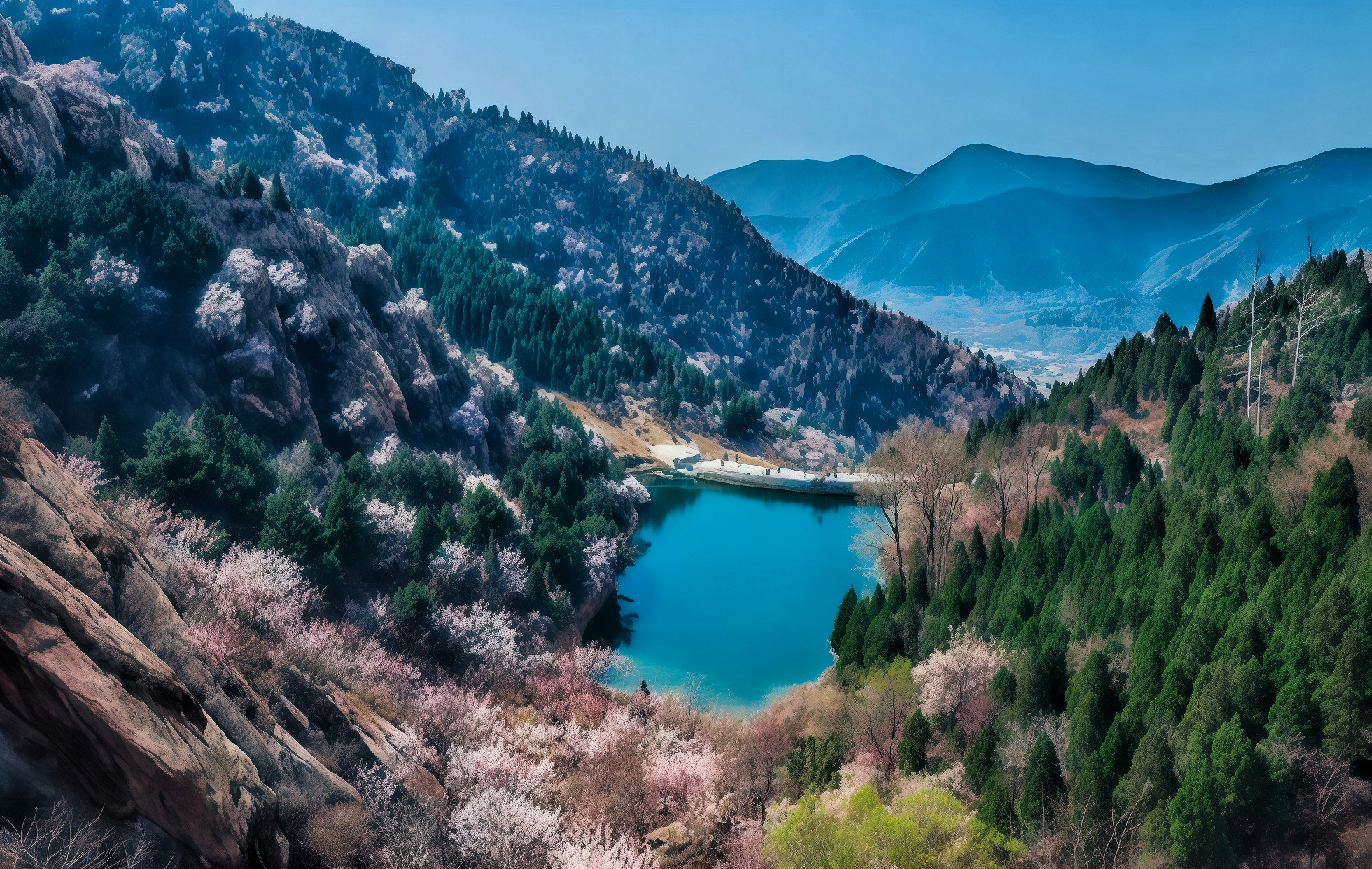
Panshan's most celebrated attractions are undoubtedly the "Three Pans"—specifically, the Pines of the Upper Pan, the Rocks of the Middle Pan, and the Waters of the Lower Pan:

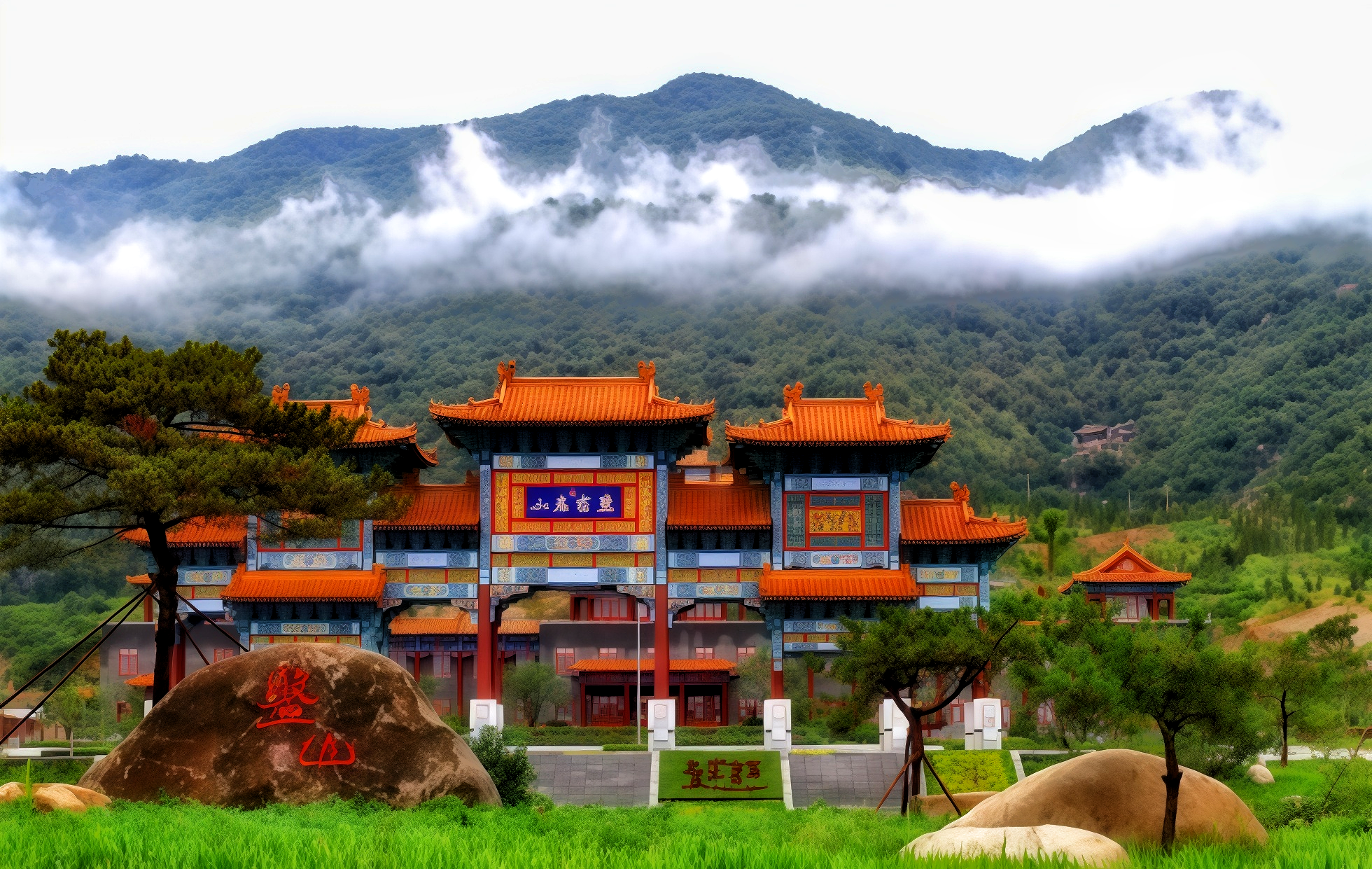
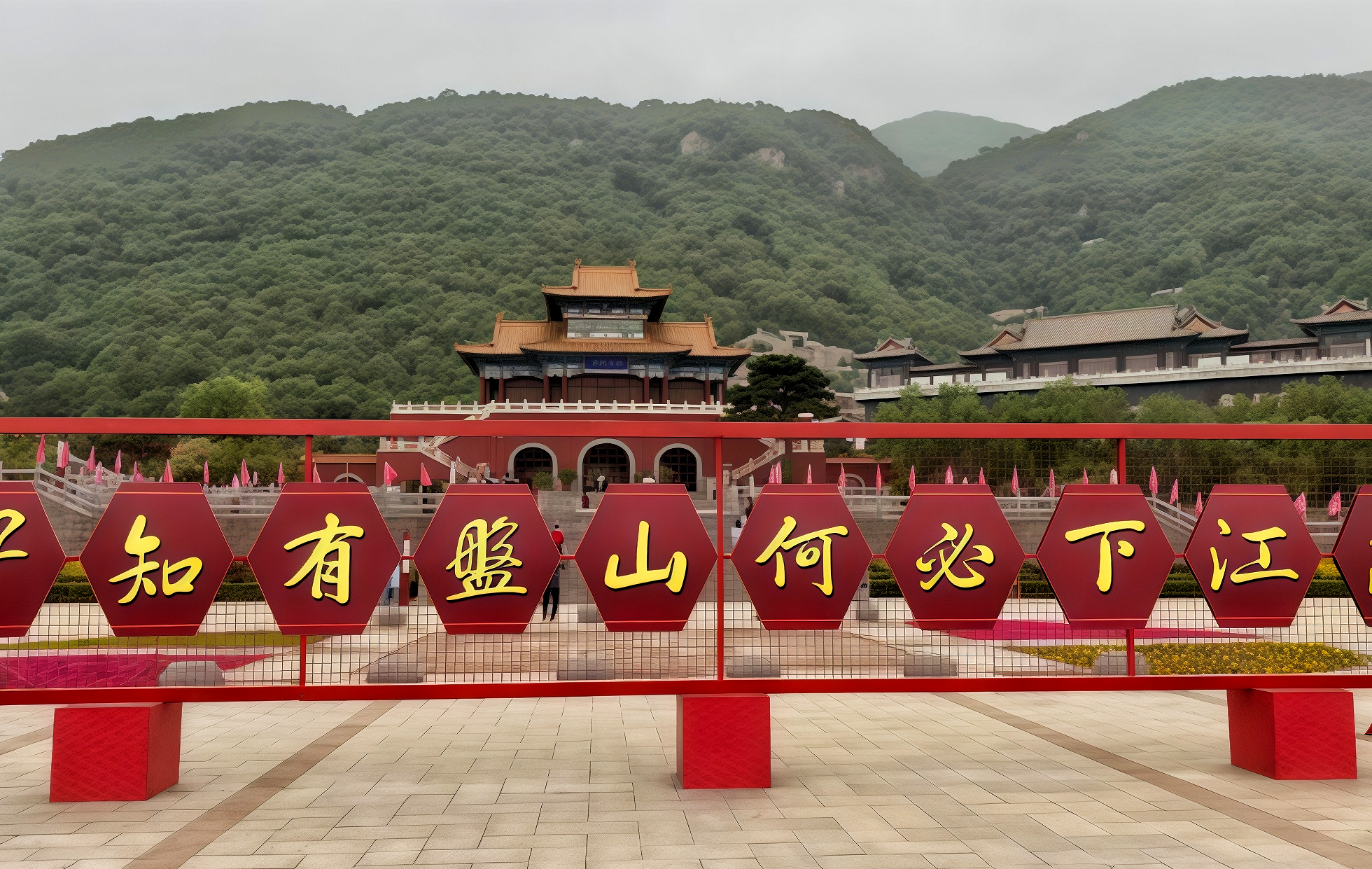
- The Waters of the Lower Pan: Stretching from the "Entering the Scenic Realm" Gate to Wansong Temple, this section is renowned for its exquisite waterscapes. Streams wind their way through the valley, giving rise to a variety of flowing water features, such as trickling springs and cascading rivulets. The water is crisp and sweet, hailed as the "Nectar of Lipai." It presents a landscape tableau rarely seen in the North—little wonder that Emperor Qianlong once marveled, "Why bother traveling to Jiangnan?"

- The Middle Pan: A Realm of Marvelous Rocks — Stretching from Wansong Temple to Yunzhao Temple, this section is renowned for its extraordinary rock formations. Spherical weathering of the granite has sculpted a myriad of bizarre stones; the "Eight Stones"—including the Suspended Stone, the Rocking Stone, the Armor-Drying Stone, and the General Stone—lie scattered throughout the terrain. Among them, the Rocking Stone stands out: shaped like a peach of longevity, it weighs several tons yet can be set in motion with a mere touch of the hand—a true geological marvel.

- The Upper Pan: A Realm of Ancient Pines — Extending from Yunzhao Temple to Guanyue Peak, this section is celebrated for its ancient pine trees. Vigorous and evergreen, these pines twist and coil to canopy the sky; some resemble a crouching dragon or a soaring eagle, while others take the form of phoenix wings or regal parasols. Sprouting from the very crevices of the rock face, these extraordinary pines stand as a testament to the indomitable spirit of life.

The Cluster of Five Peaks: The Buddhist Realm of "Eastern Wutai"

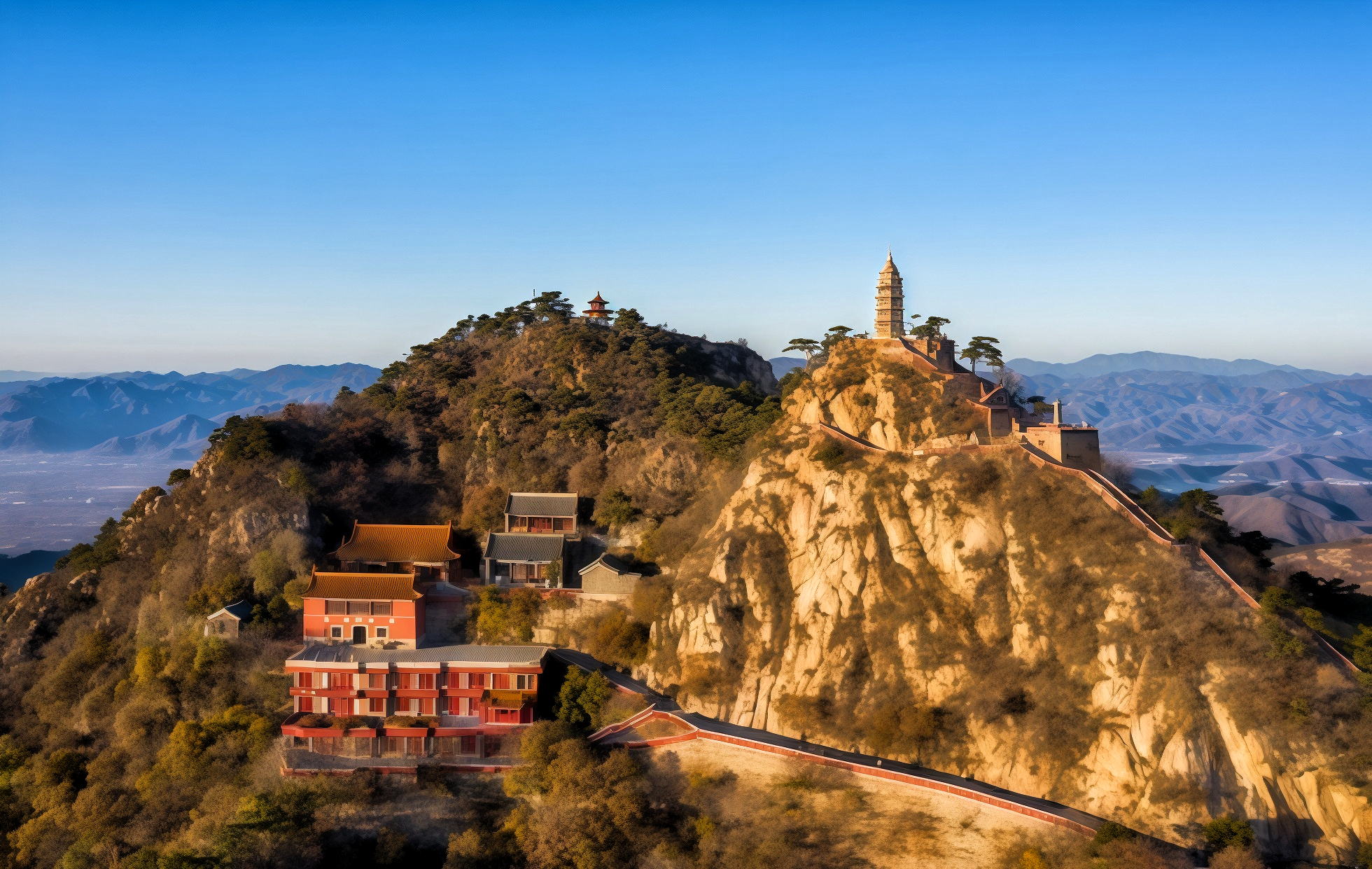
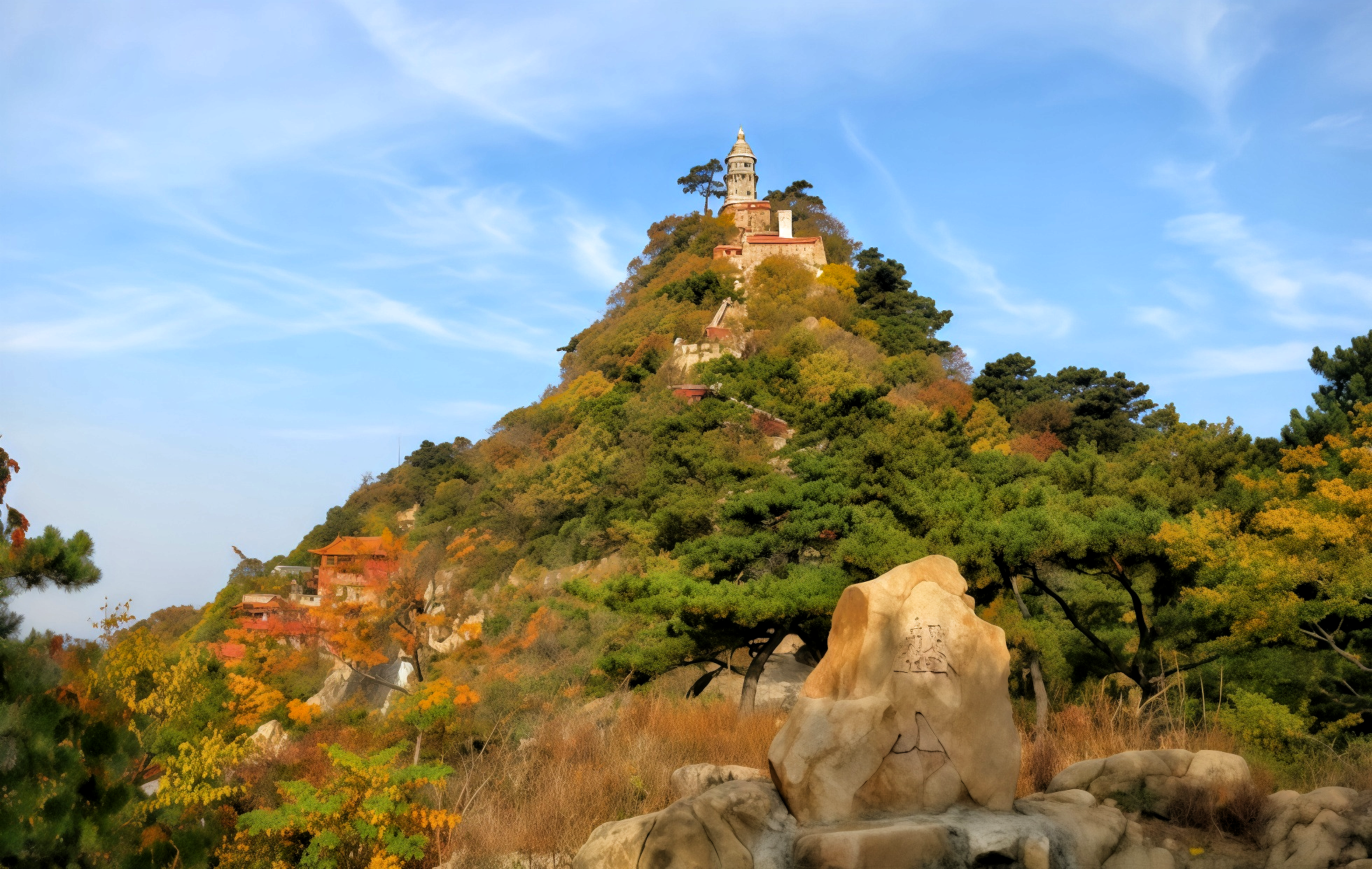
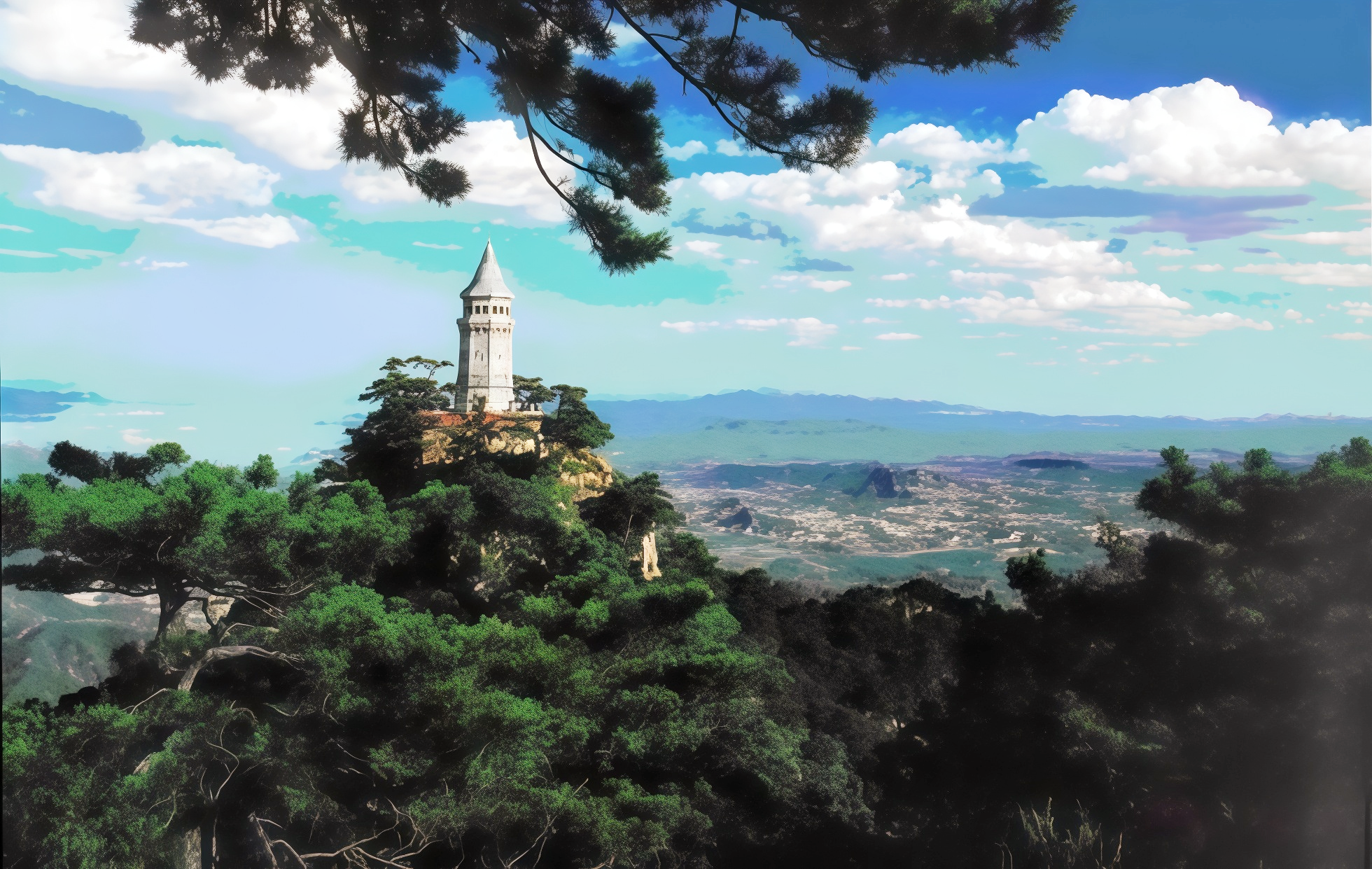
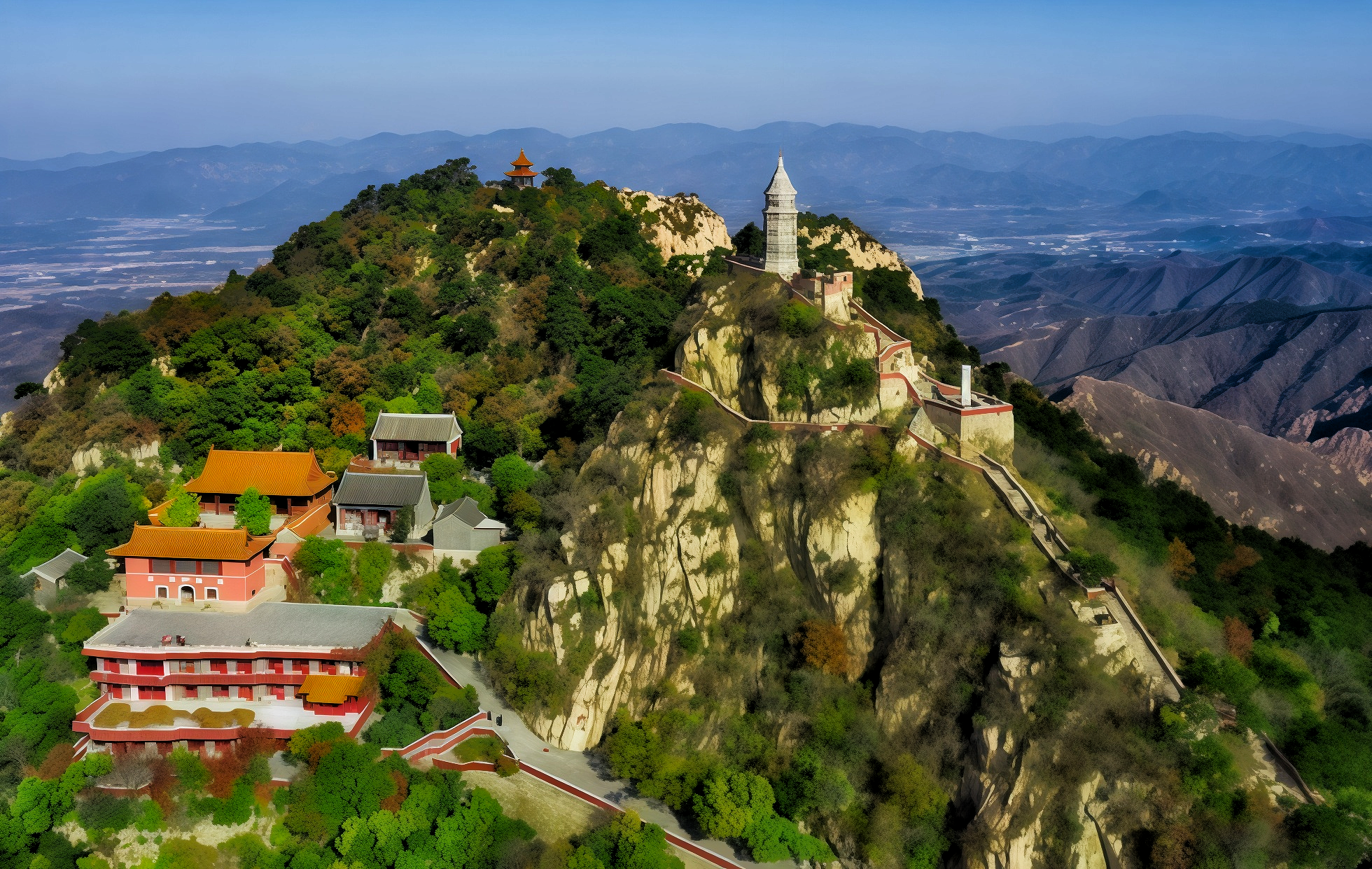
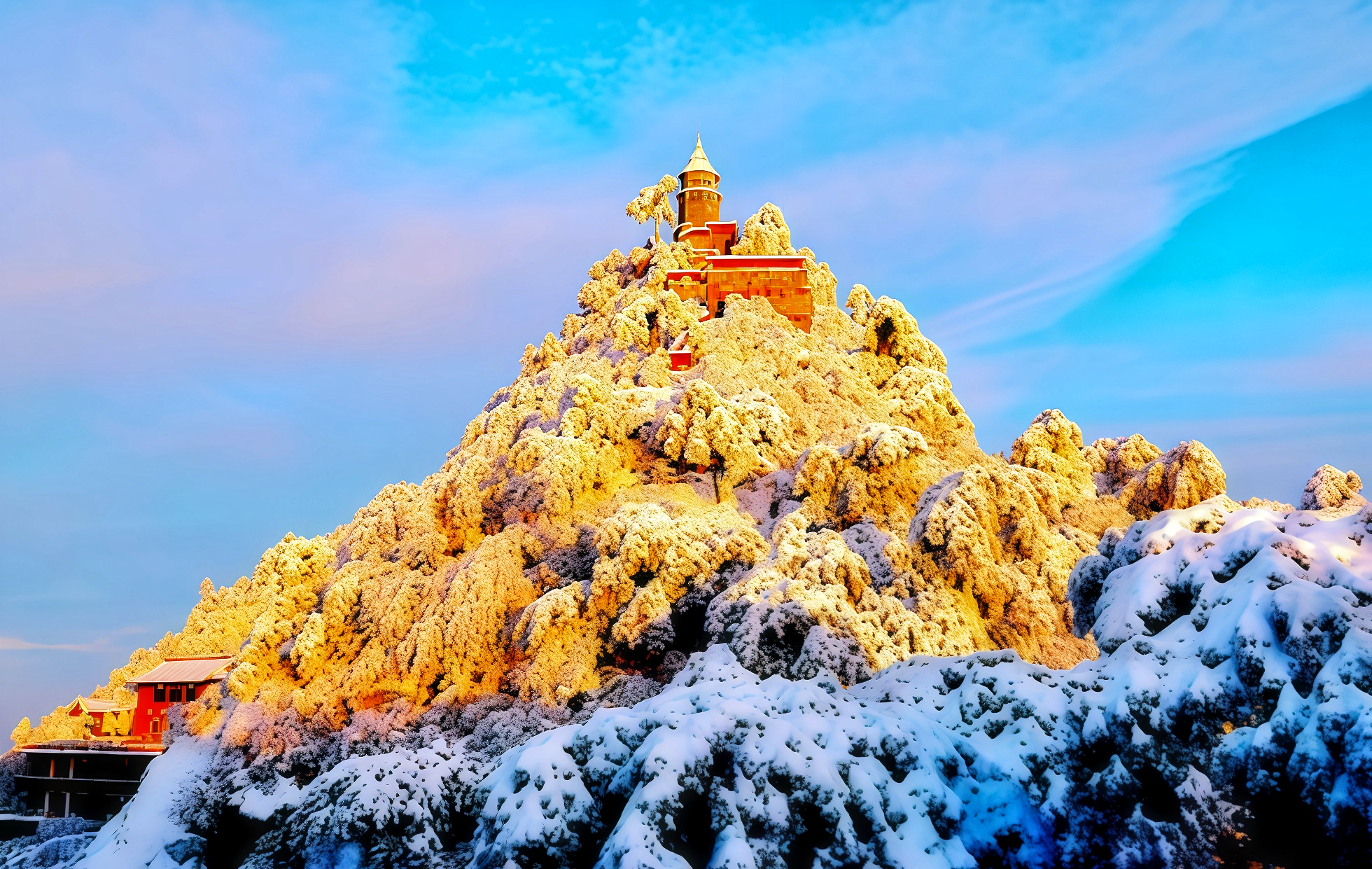
- Guanyue Peak — The main summit of Mount Pan, standing at an elevation of 864.4 meters. Its profile is sharp at the apex and steep at the base, resembling a perfect cone. Ascending to the summit allows one to gaze down upon a sea of ​​clouds enveloping the surrounding mountains—a true realization of the poetic sentiment: "Once at the summit, all other mountains appear small."

- The Five Peaks in Harmony — Guanyue Peak, together with Zigai Peak, Zilai Peak, Jiuhua Peak, and Wujian Peak, forms the collective known as "Eastern Wutai." Echoing its distant counterpart, Mount Wutai in Shanxi Province, this site has been revered as a sacred Buddhist sanctuary since ancient times.

"Evening Rain on the Three Pans": A Poetic Vignette of the "Ten Scenes of Tianjin"

"Evening Rain on the Three Pans" (Sanpan Muyu) is celebrated as one of the "Ten Scenes of Tianjin." Whenever the skies clear shortly after a rainfall, or as dusk begins to fall, mists rise and intermingle with the mountain light and forest hues. This creates an ethereal, hazy atmosphere—neither fully sunny nor truly rainy—that unfolds before the eyes like a traditional ink-wash painting.

The natural landscape of Mount Pan offers an experience that transcends mere "sightseeing"; it is, above all, an invitation to "climb" and to "feel." Every stone step, every turn in the path, stands as a masterpiece sculpted jointly by the forces of nature and the passage of time.

Human Ingenuity: Civilization Carved into Stone

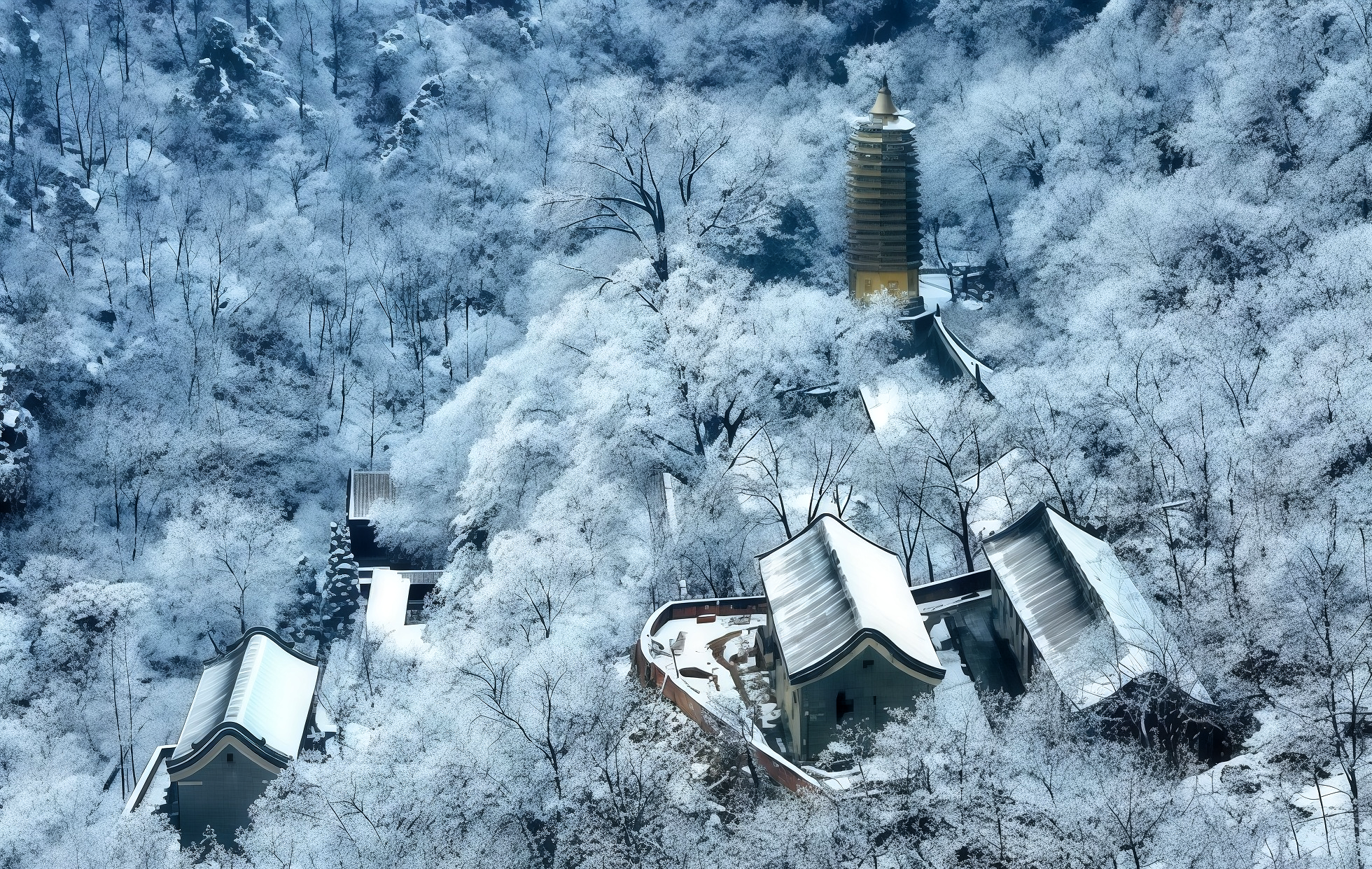
The architecture and stone carvings found here constitute a precious legacy—a gift bequeathed to future generations by a history spanning a thousand years. - Tiancheng Temple: The largest temple on Mount Pan, originally established during the Tang Dynasty and situated to the south of Cuiping Peak. The name "Tiancheng" (Heaven-Formed) is derived from the phrase "a masterpiece formed by Heaven"; Emperor Qianlong personally inscribed the plaque bearing its name. The temple houses an ancient stupa containing Buddhist relics, constructed during the Tianqing era of the Liao Dynasty. This thirteen-story, octagonal brick pagoda features dense eaves adorned with bronze bells at every corner; exquisite in its elegance, it stands as the tallest ancient structure on Mount Pan.

- Wansong Temple: The largest monastic complex on Mount Pan, formerly known as Li Jing Hermitage. Legend has it that Li Jing—a renowned general of the early Tang Dynasty—once resided here. Emperor Kangxi bestowed the plaque inscribed "Wansong Temple" (Temple of Ten Thousand Pines), while the main hall bears a plaque inscribed "Le Tian Zhen" (Rejoicing in Natural Truth). Surrounding the temple stands a forest of 99 granite stupas, each unique in form, serving as the burial monuments for eminent monks throughout the ages.

- Yunzhao Temple: Situated at the highest elevation on Mount Pan—over 800 meters above sea level—this temple was built during the Tang Dynasty. It derives its name from its proximity to the mountain's summit, where it is frequently shrouded in clouds and mist; Emperor Qianlong hailed it as a place of "extraordinary sanctity." The temple's roof is clad in golden-yellow glazed tiles—a privilege typically reserved exclusively for imperial architecture—underscoring the exceptionally high status accorded to this site.

- Stupa of the Dīpaṃkara Buddha: Towering atop Guanyue Peak, this stupa is a Tang Dynasty structure standing 12 meters tall. Legend holds that every Lunar New Year's Eve, a divine Buddhist radiance emanates from the tower. Carved into the cliff face are the characters "Motian" (Touching the Sky), inscribed by Ronglu—a Grand Councilor of the late Qing Dynasty.

- Ruins of the Jingji Mountain Villa: An imperial retreat constructed during the reign of Emperor Qianlong, covering an area of ​​approximately 40 hectares with a perimeter of 7.6 kilometers. Although the complex was destroyed by the ravages of war, the surviving foundations of its palace walls and scattered stone carvings continue to bear witness to the imperial grandeur of a bygone era.

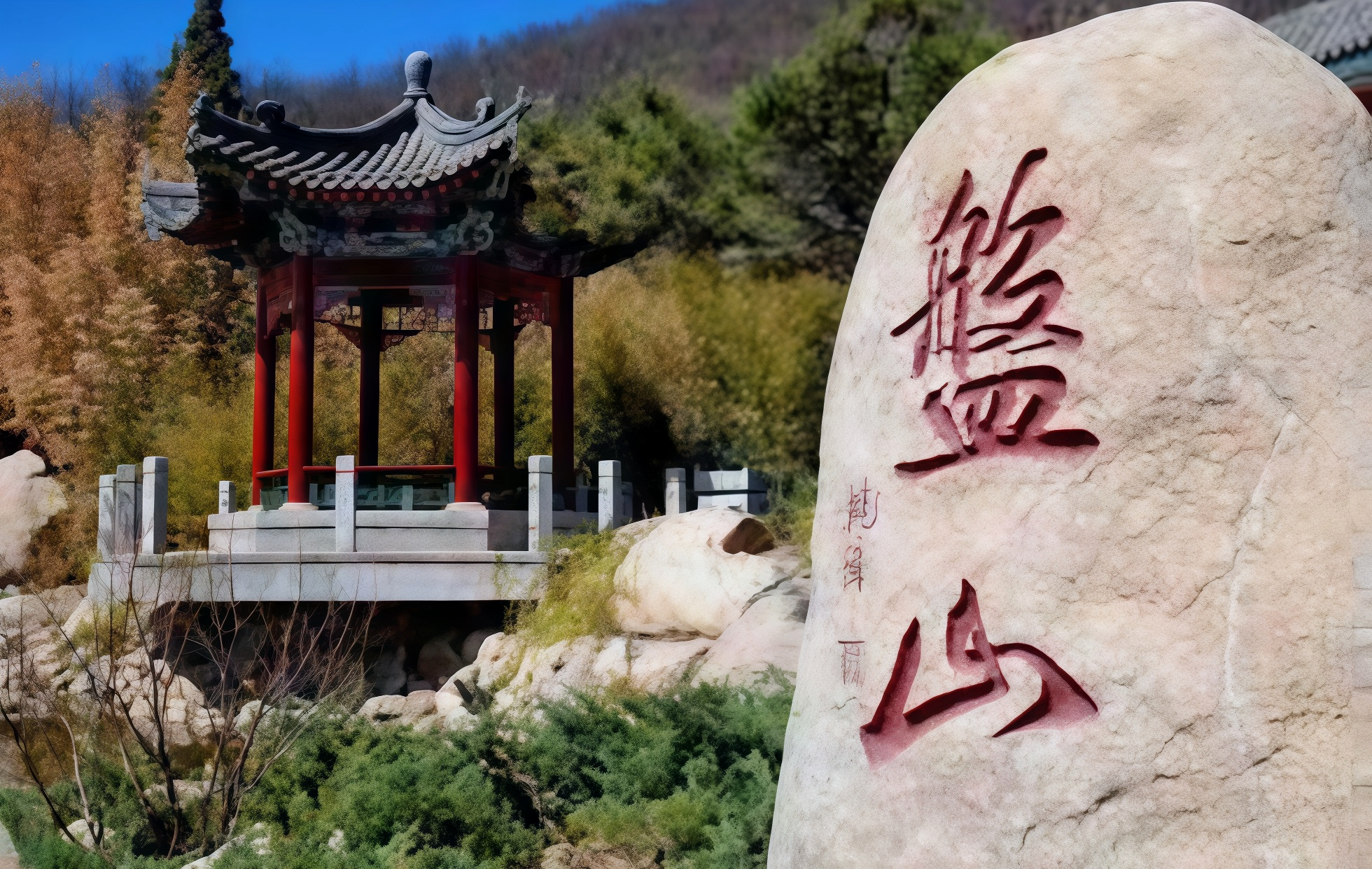
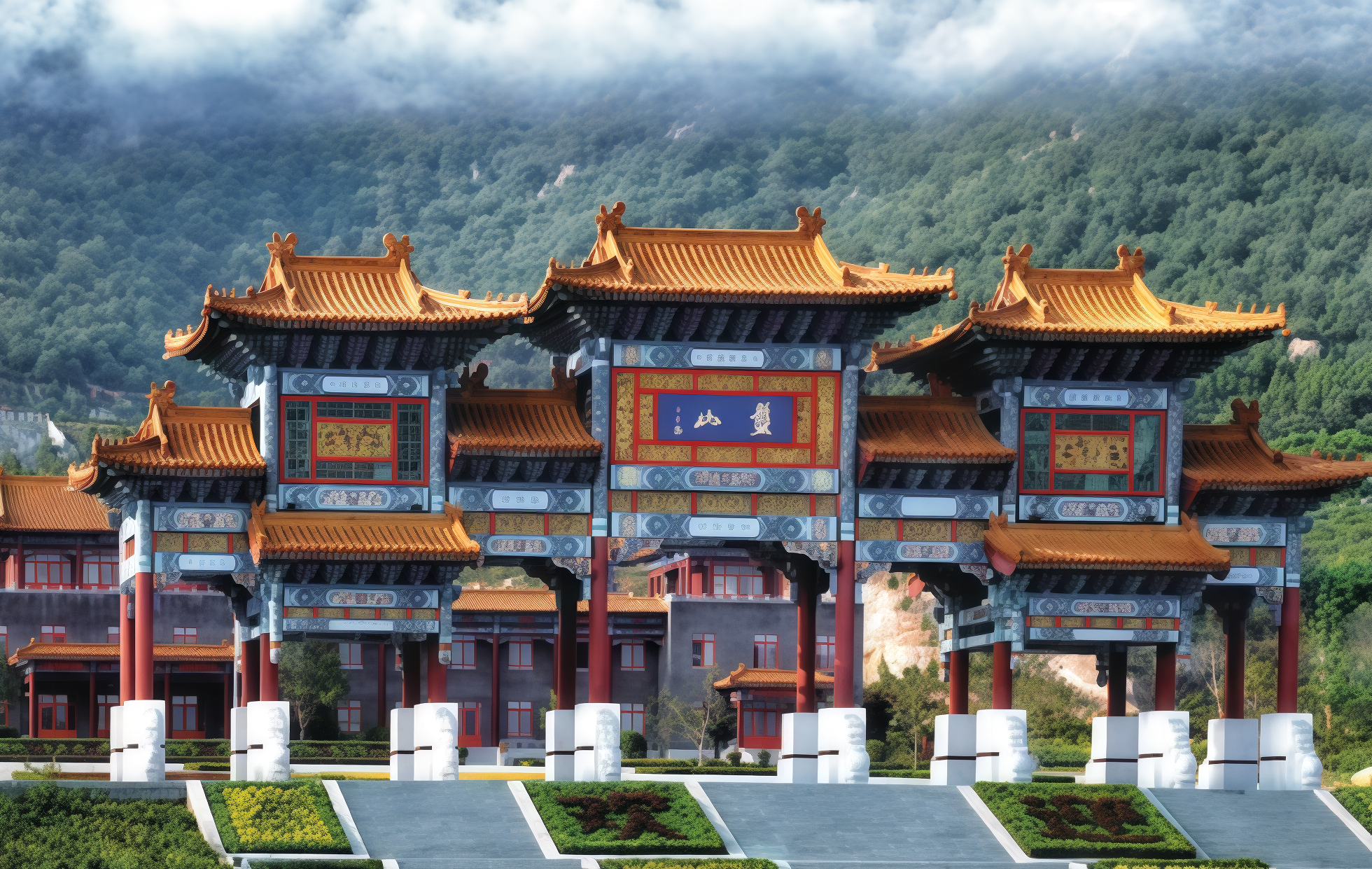
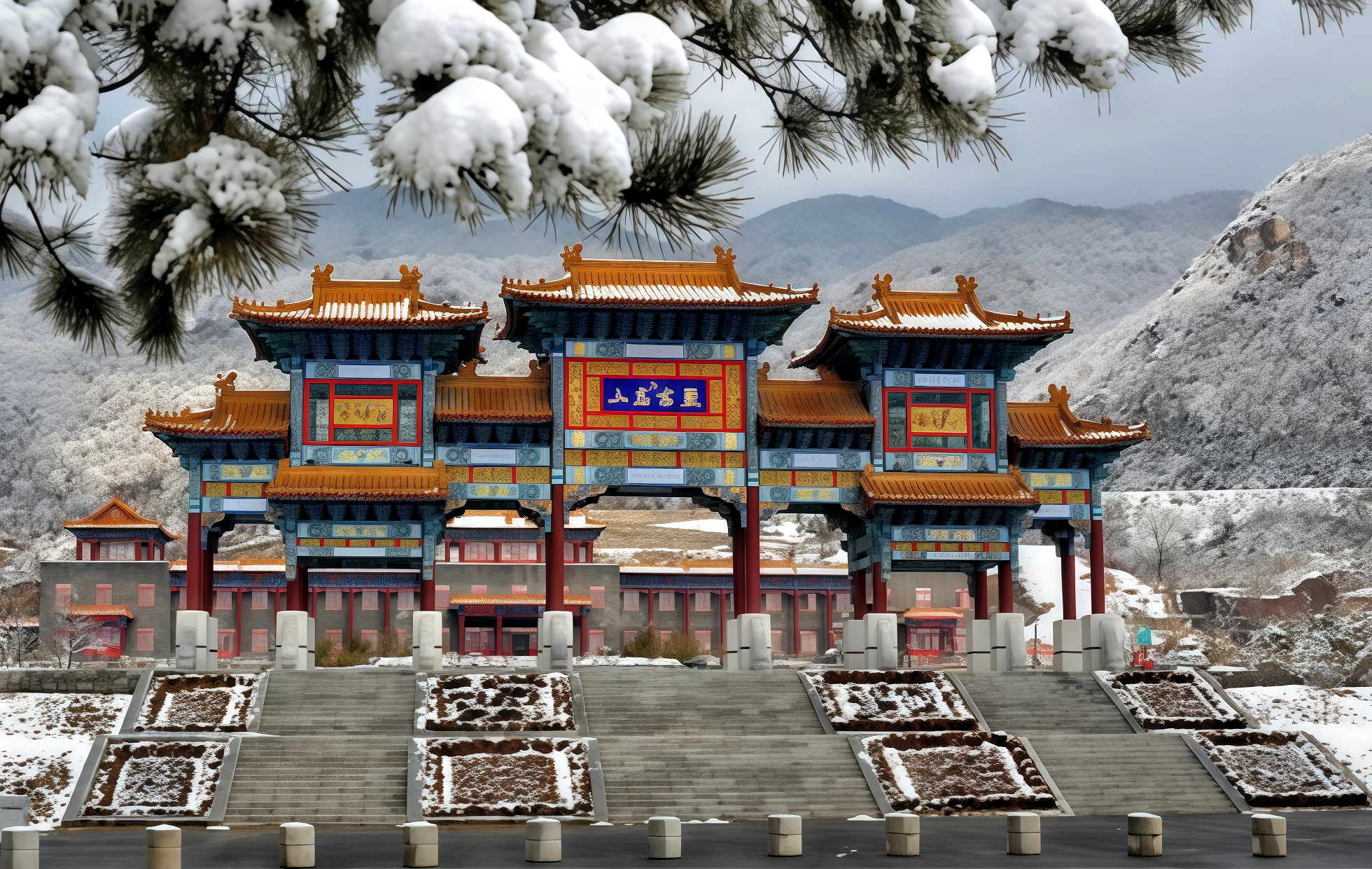
- Cliffside Inscriptions: Throughout history, emperors and literati have left behind over 300 inscriptions across Mount Pan. Notable examples include the characters "Rusheng" (Entering the Realm of Beauty)—inscribed by Ronglu at the entrance gate—as well as Emperor Qianlong's declaration "This is truly a primordial scenic wonder," and Du Fu's poetic line "From this height, all other mountains appear small." These stone carvings represent a perfect fusion of the art of calligraphy and the aesthetic spirit of the mountain landscape.

> Photography Tips:

> - The best vantage point for panoramic shots is at the summit of Guanyue Peak, offering sweeping views of the surrounding mountains, seas of clouds, and ancient pagodas.

> - The ideal time to capture the "Evening Rain at Sanpan" scenery is during the twilight hours following a rainfall.

> - For the Ancient Buddha Relic Pagoda at Tiancheng Temple, use a telephoto lens to shoot close-ups that accentuate the elegant lines of the structure.

> - For unique rock formations—such as the "Shaking Stone"—it is recommended to shoot using side lighting to highlight the texture and grain of the stone.

> - Drone flight is permitted (subject to scenic area regulations), allowing you to capture breathtaking aerial perspectives of the winding mountain ridges and ancient temples.

Core Experiences: A Guide to Ascending the "Premier Mountain of Eastern Beijing"

Furong Ancient Town Furong Ancient Town Furong Ancient Town

Five Must-Do Activities to Unlock the Complete Panshan Experience

1.Ascend Guanyue Peak: Overlook the Mountains and Seas of Clouds

- Timing: 9:00 AM – 11:00 AM; the lighting is soft, and visibility is at its clearest.

- Location: At the summit of Guanyue Peak, situated beneath the Dingguang Buddha Relic Pagoda.

- Experience: Cast your gaze toward the horizon to witness the undulating mountain ranges, evoking the majestic sentiment of "standing atop the world and seeing all other mountains as small." On misty or cloudy days, the swirling seas of clouds create an ethereal, fairyland-like atmosphere.

2.Trek Through the Sanpan Scenic Zone: Immerse Yourself in a Living Landscape Painting

- Key Highlight: The "Waters of the Lower Pan, Rocks of the Middle Pan, and Pines of the Upper Pan" constitute the very essence of Panshan! It is highly recommended to begin your ascent on foot from the Rusheng Mountain Gate, allowing you to fully appreciate the gradual transformation of the scenery along the way.

- Experience: Listen to the murmuring springs in the Lower Pan, admire the unique rock formations in the Middle Pan, and gaze upon the ancient pines in the Upper Pan—discovering a new, captivating vista with every step you take.

3.Visit a Thousand-Year-Old Temple: Contemplate the Profound Serenity of Zen

- Top Picks: The three major ancient temples—Tiancheng Temple, Wansong Temple, and Yunzhao Temple.

- Experience: Gently touch the thousand-year-old bricks and stones of the Liao Dynasty Relic Pagoda; find a quiet spot to sit in meditation for a few moments before the Ancient Buddha Hall, listening to the resonant tolling of the temple bells and the whispering breeze rustling through the pine trees.

4.Savor an Authentic Jizhou Feast

- Must-Try Dishes: Panshan Fried Free-Range Eggs (golden hue, aromatic), Reservoir Fish (tender and fresh), Braised Yam with Shiitake Mushrooms and Chestnuts (known locally as the "Three Treasures of Wellness").

- Snack Hunt: Yipin Sesame Flatbread (a court pastry named by Emperor Qianlong), Wantuo (a Jizhou intangible cultural heritage snack), Roasted Chestnuts (featuring the large, plump chestnuts of Panshan).

5.Capture Epic Mountain-Top Photos

- Timing: Two hours after sunrise or one hour before sunset—when the lighting is softest and most beautiful.

- Locations: Guanyue Peak (panoramic views), Tiancheng Temple (ancient pagoda), and "Three Pans in Evening Rain" (for a misty, atmospheric mood).

- Attire: Bright-colored sportswear or traditional Hanfu are recommended to create a striking contrast against the mountain scenery.

Suggested Itinerary

One-Day "Panoramic Mountain Climbing" Tour (Recommended; suitable for those with good physical stamina):

Arrive at the scenic area at 8:30 AM → Check in at the "Rusheng" Mountain Gate and the "Three Pans in Evening Rain" spot → Walk through the "Lower Pan" water scenic area: Yuanbao Stone, Shuxia Gorge, and the Welcoming Pine (1 hour) → Visit Tiancheng Temple to see the Ancient Buddha Relic Pagoda (30 minutes) → Continue ascending to Wansong Temple and explore the Pagoda Forest (1 hour) → Take the Yunsong Cableway or hike to the summit (hiking takes approx. 1.5 hours) → Enjoy the view from the Dingguang Buddha Relic Pagoda at Guanyue Peak (30 minutes) → Descend via cableway or on foot (cableway takes approx. 28 minutes) → Return to the scenic area's main gate between 4:00 PM and 5:00 PM.

IntoTravelChina Tip: This itinerary takes approximately 5–6 hours; it is recommended to arrive early in the morning to allow ample time. If you have limited physical stamina, you may opt to take the cableway for both the ascent and descent.

One-Day "Relaxed Cable Car" Tour (Ideal for Families / Those with Limited Physical Stamina):

Arrive at the scenic area at 9:30 AM → Take the Rusheng Cable Car to Wansong Temple (10 minutes) → Tour Wansong Temple and the Pagoda Forest (1 hour) → Take the Yunsong Cable Car to Guanyue Peak (28 minutes) → Sightseeing at Guanyue Peak (30 minutes) → Take the cable car back down the same route → Return by 3:00 PM, stopping along the way to visit Tiancheng Temple and the Xiapan Water Scenic Area.

IntoTravelChina Advantage: We can book the itinerary best suited to your needs, coordinate the seamless transition between all activities, and provide detailed hiking route maps and safety guidelines.

> Professional Guides: IntoTravelChina offers fully customized itineraries, including a dedicated private guide, transportation, and activity arrangements, ensuring a worry-free and in-depth travel experience. >> [Consult for Customization Now]

Comprehensive Travel Guide: Transportation, Accommodation, and Seasons

Furong Ancient Town Furong Ancient Town

How to Get There: A Seamless Connection Guide

Mount Pan (Panshan) is located in Jizhou District, Tianjin, and is easily accessible from both Beijing and Tianjin.

From Beijing: Driving is the most convenient option. Take the Jingping Expressway, merge onto the Jinji Expressway, and exit at the Panshan interchange; the total journey takes approximately 1.5 hours. For public transportation, a dedicated "Panshan Tourist Line" bus (120 RMB, including the entrance ticket) departs from the Dongzhimen Public Transport Hub; please confirm the departure schedule in advance.

From Tianjin: Driving is the most direct option; take the Jinji Expressway straight to Jizhou District (approx. 1.5 hours). For public transportation, take the suburban railway Line S9 (Jinji Line) to "Jizhou North Station." Upon exiting the station, transfer to a dedicated Panshan shuttle bus or take a taxi to the scenic area (approx. 15 km).

Connecting with Nearby Attractions: The Huangyaguan Great Wall is located approximately a 40-minute drive from Mount Pan, while the Dule Temple is just a 15-minute drive away, making them excellent options for a combined sightseeing itinerary.

Important Return Tip: If you are utilizing the dedicated Panshan Tourist Line bus service, please be mindful of the final scheduled return time (typically 4:00 PM). Self-driving visitors can navigate directly to the "Panshan Scenic Area Visitor Center," where ample parking is available.

Best Time to Visit

Panshan offers beautiful scenery in every season, but spring, autumn, and winter (for snow viewing) provide the most exceptional experiences.

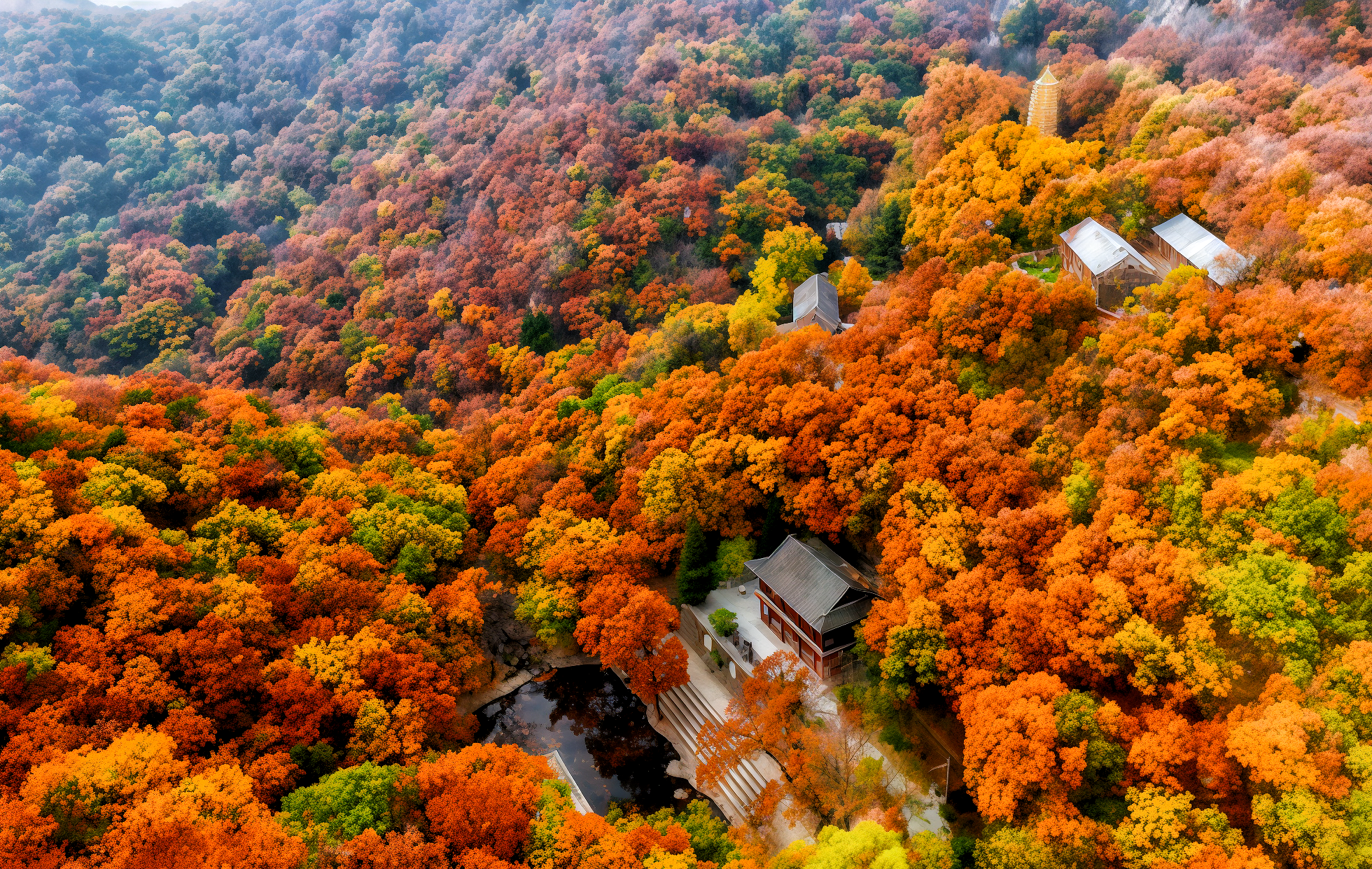
- Spring & Autumn "Golden Seasons" (April–May; September–October): The climate is pleasant, and the scenery is at its absolute best. In spring, the mountains are ablaze with wildflowers, and swallows and butterflies dance in the air; in autumn, the forests are painted in vibrant hues, and the air is filled with the fragrance of ripening fruit.

- Summer "Cooling-off Season" (June–August): The landscape is lush and verdant, and waterfalls cascade down the cliffs, making it an excellent destination for escaping the summer heat. Visitors should remember to take precautions against both sun exposure and rain.

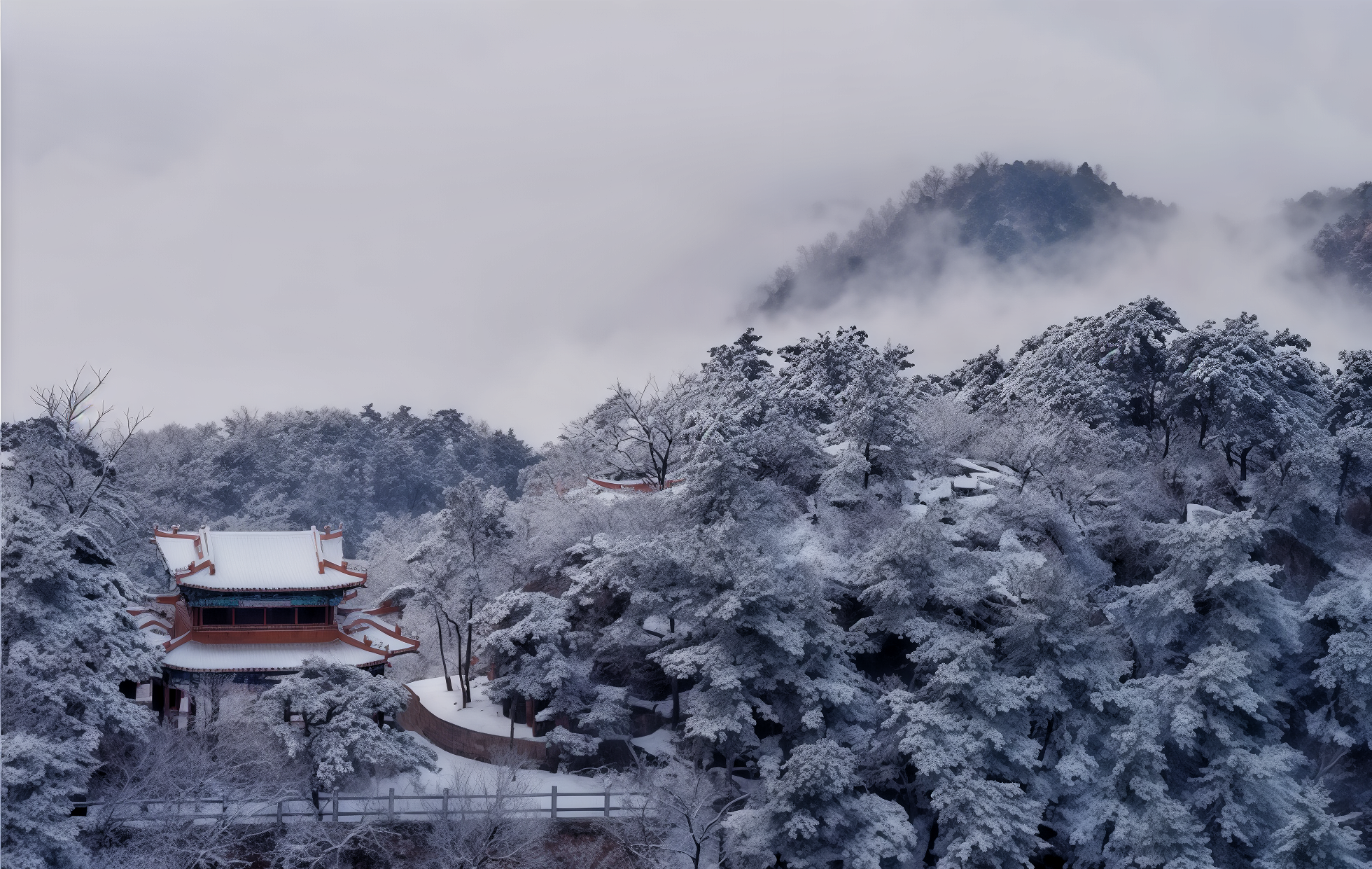
- Winter "Season of Tranquility" (November–March): With fewer crowds, the snow-covered landscape is picturesque, and the evergreen pines appear even more vivid—creating a unique and charming atmosphere. Please note that some sections of the trails may be closed due to ice and snow conditions.

Accommodation Options

- Farmhouse Guesthouses near the Scenic Area (Highly Recommended):

- Experience: Immerse yourself in authentic rural life and enjoy delicious home-cooked farmhouse meals. Standard rooms typically range from 100 to 150 RMB per night.

- Best For: Most visitors; this option is budget-friendly and offers convenient access—either within walking distance or a short drive—to the scenic area.

- Hotels in Jizhou City Center:

- Experience: A wide range of choices is available, from budget-friendly inns to star-rated hotels, all featuring comprehensive amenities.

- Best For: Visitors with higher standards for accommodation quality, or those planning to visit other local attractions such as the Dule Temple or Yuyang Ancient Street.

- Boutique Guesthouses (e.g., in Xijingyu Village):

- Experience: Enjoy personalized butler-style service, private courtyards, and stylish, design-forward interiors.

- Best For: Discerning travelers seeking a high-quality, unique, and immersive travel experience.

IntoTravelChina Accommodation Booking Tip: Rooms tend to be in high demand on weekends and public holidays; we recommend booking 1–2 weeks in advance. By booking through us, you gain access to real-time room availability and can bundle your accommodation, entrance tickets, and transportation into a single itinerary—often qualifying for special package discounts.>> [Consult for Customization Now]

Extended Journeys: A Loop Connecting the Highlights of Jizhou

Furong Ancient Town

Mount Panshan is by no means the end of your journey, but rather the perfect starting point for exploring the thousand-year-old county of Jizhou.

- Classic 2-Day Loop: Mount Panshan → Dule Temple (A millennium-old monastery and architectural gem of the Liao Dynasty) → Yuyang Ancient Street (A national-level tourism and leisure district) → Xijingyu Homestays (A boutique homestay experience). This is a perfect itinerary that seamlessly blends natural scenery, historical and cultural heritage, and rural life.

- 3-Day Immersive Nature Tour: Mount Panshan → Huangyaguan Great Wall (The majestic pass of Northern Jizhou) → Mount Baxian (The "Premier Mountain of Tianjin") → Jiulong Mountain National Forest Park (A serene valley retreat). Venture deep into the foothills of the Yanshan Mountains to fully immerse yourself in the beauty of nature.

Partner with IntoTravelChina to Embark on Your Exclusive Journey to the "Premier Mountain East of the Capital"

Furong Ancient Town

The story of Mount Panshan is one of imperial favor, Buddhist heritage, and the wonders of nature. IntoTravelChina specializes in crafting immersive, personalized, and hassle-free travel experiences throughout China. Our travel experts can assist you with:

- - Tailored Itineraries: We design the perfect route—including Panshan Mountain and surrounding attractions—based on your specific interests and schedule.

- One-Stop Service: We handle everything: attraction tickets, unique accommodations, transportation transfers, local guides, and activity bookings.

- Exclusive Experiences: We arrange unique opportunities such as expert guidance on the best photography times, reservations for authentic farmhouse cuisine, spiritual blessing ceremonies at ancient temples, and more.

Let your trip to Panshan be more than just a mountain climb—let it be a truly immersive journey into history and culture.

> Start Planning Your Trip Now

> We invite you to contact our professional travel consultants; we will provide you with a personalized itinerary proposal and price quote within 24 hours. >> [Consult for Customization Now]

What Our Clients Say?

Based on 10,000+ traveler reviews

...
Daniel Dorothea
Canada
Reviewed on April 29,2025
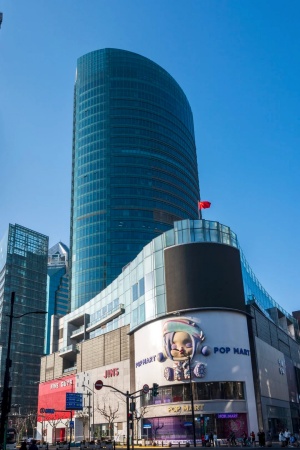
Shopping on Nanjing Road in Shanghai was just amazing! It's truly the "First Commercial Street of China", where tradition and modernity blend perfectly. You can find awesome souvenirs and experience the trendy vibes in cool stores. The neon lights at night are just spectacular, shining bright like Times Square in New York. The food here is incredible too. I had a feast for my taste buds. Shanghai, I'll definitely be back!
Destination(s): Shanghai
Date of Experience: May 08,2024
...
...
Elvis Eva
Canada
Reviewed on June 20,2025
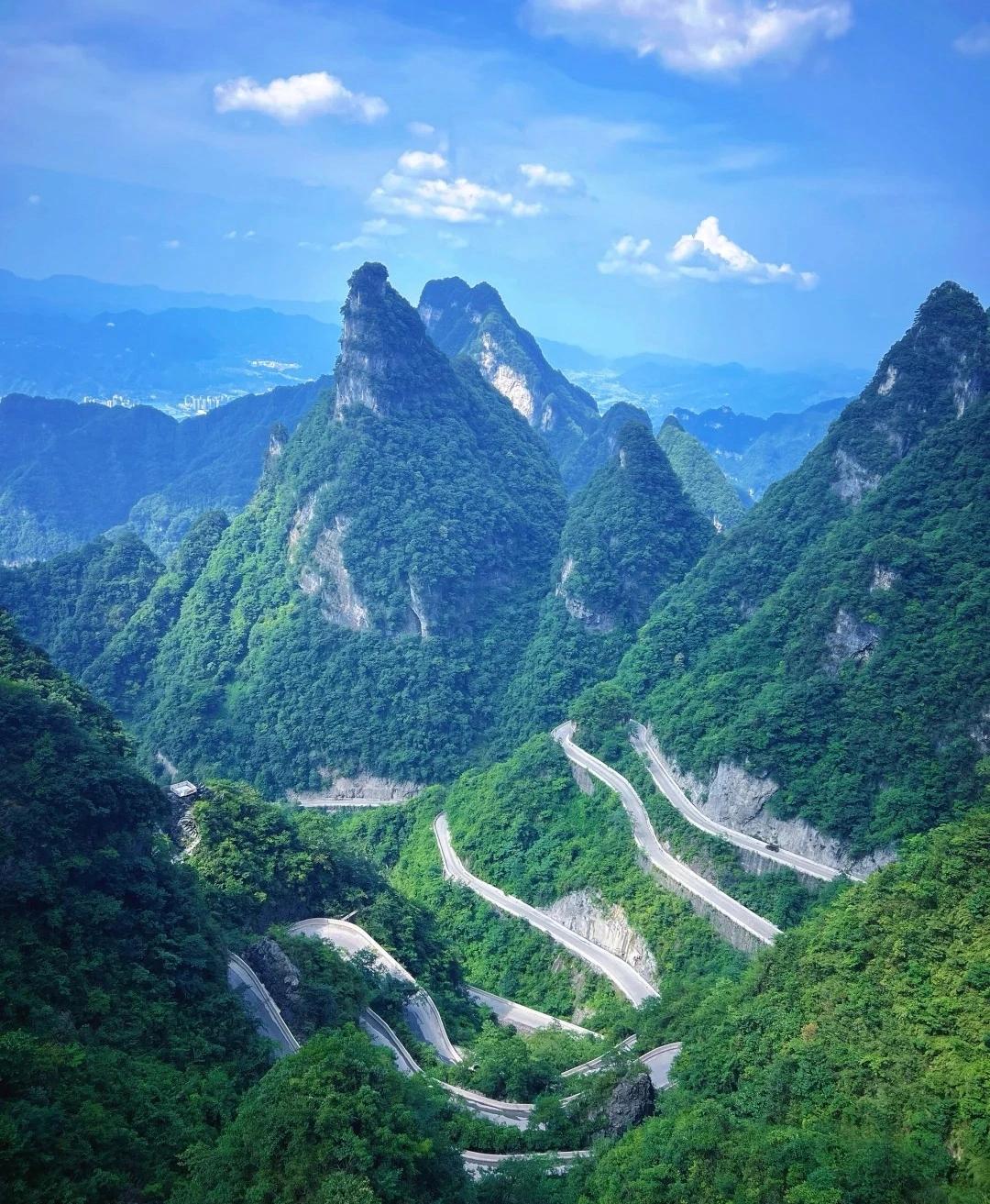
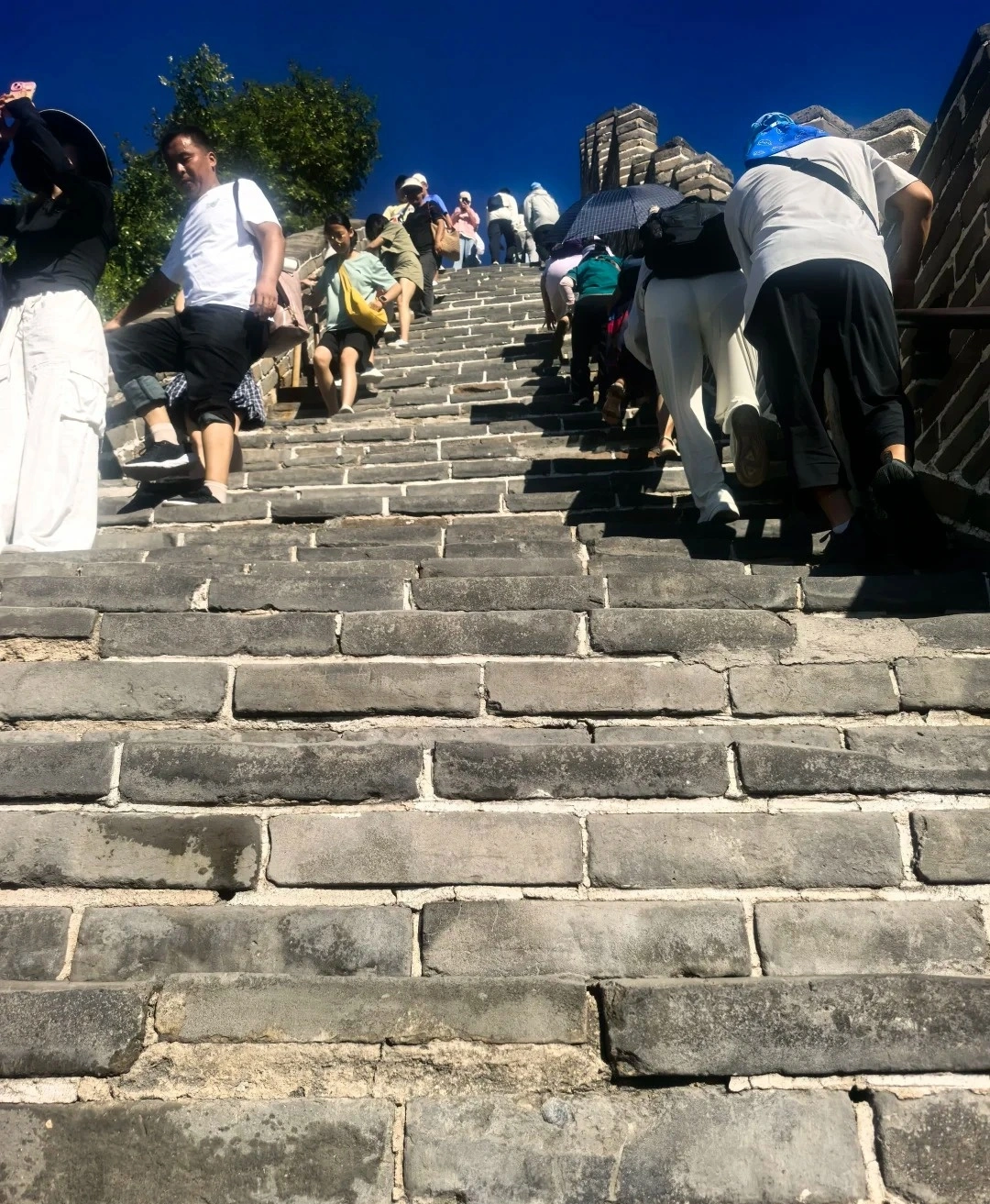
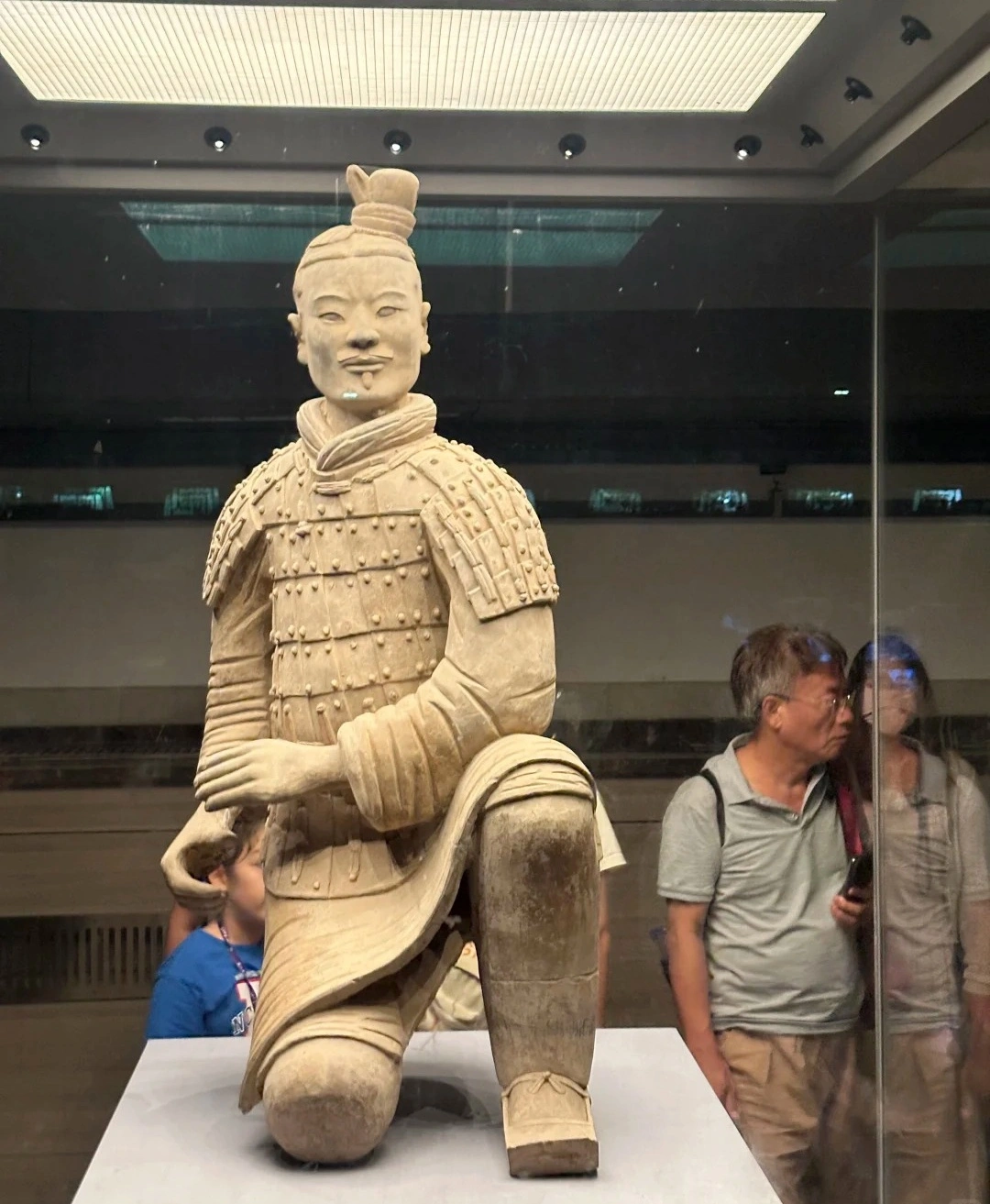
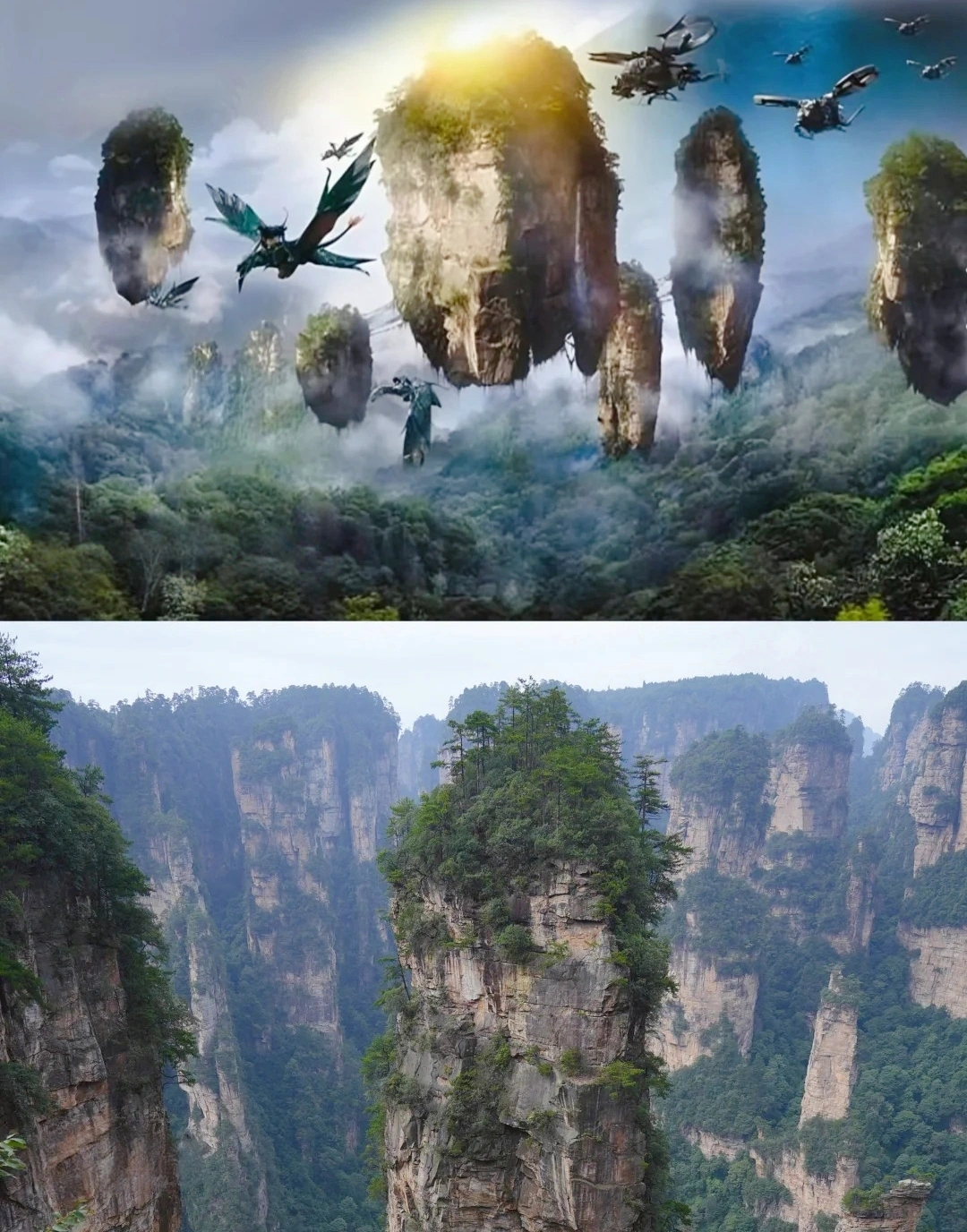
As a solo traveler from Canada, I was nervous about navigating China alone—but this 11-day tour was PERFECT! From hiking the Great Wall at sunrise (Day 3) to gasping at the Terracotta Army (Day 5), every day delivered ‘pinch-me’ moments. The real showstopper? Zhangjiajie’s Avatar Mountains (Day 7)! Our guide made the stone pillars come alive with stories. Massive thanks for handling all logistics—bullet train tickets, entry passes, car! And the 4-star hotels surprised me.
Destination(s): Beijing Xian Zhangjiajie Shanghai
Date of Experience: June 02,2025
... ... ...
...
Simon
America
Reviewed on May 29,2025
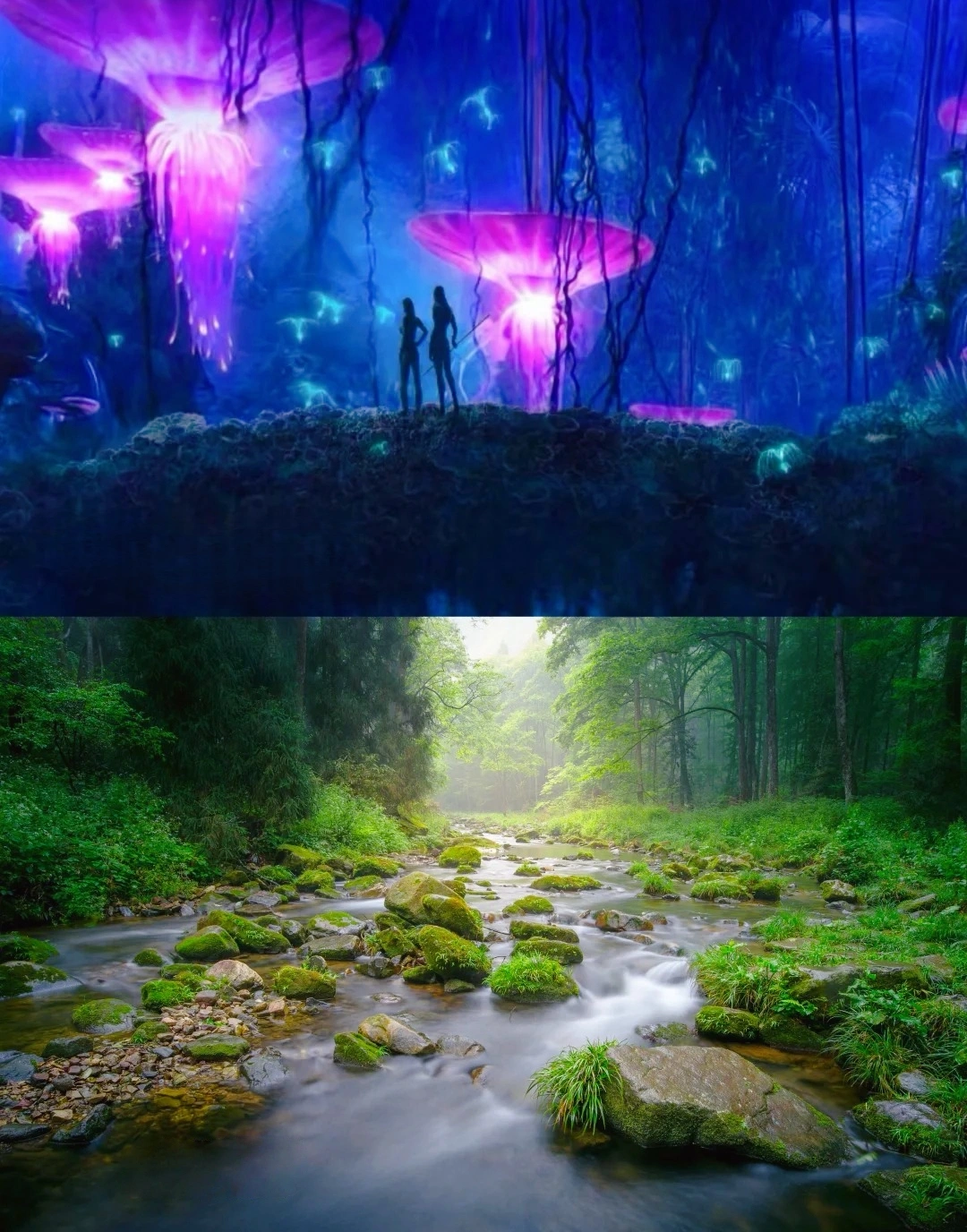
Our 2-day Zhangjiajie tour was beyond spectacular! As someone who’s visited Beijing and Shanghai for work, this trip revealed China’s wild, magical heart. Day 1 in Zhangjiajie National Forest Park felt like stepping onto Pandora—I’m a huge Avatar fan, and Yuanjiajie’s floating peaks left me breathless. The misty pillars and lush valleys like pure movie magic! Then came Fenghuang Ancient Town, we eat dinner beside the thundering waterfall. It seems Unreal! The night views of stilt houses glowing over the river were straight from a fairy tale. For fellow Avatar lovers and adventure seekers: Don’t miss this bucket-list experience! 10/10 would return. A Well-Traveled Film Buff, May 2025
Destination(s): Zhangjiajie
Date of Experience: May 08,2025
... ...

Ask a Question

Question Summary (100 characters)
Details (optional) (2,000 characters)
Name
Country
Email