Confucius Temple: A Journey Through the Bustling Street Life and Golden Splendor of the Six Dynasties

Confucius Temple: A Journey Through the Bustling Street Life and Golden Splendor of the Six Dynasties

Overview:A Living Museum of the Six Dynasties
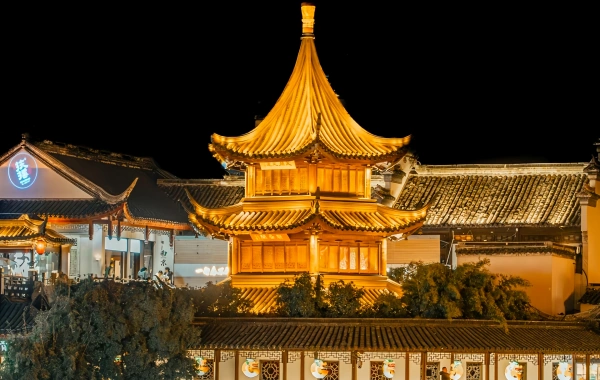
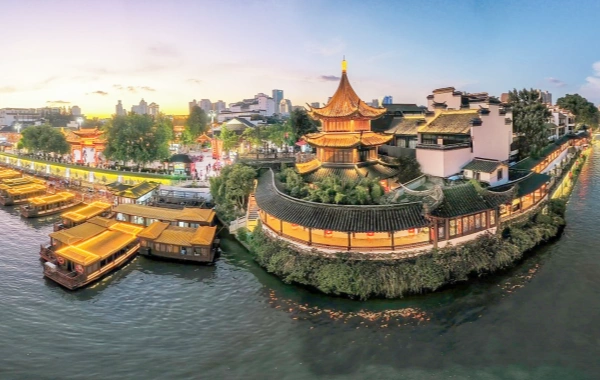
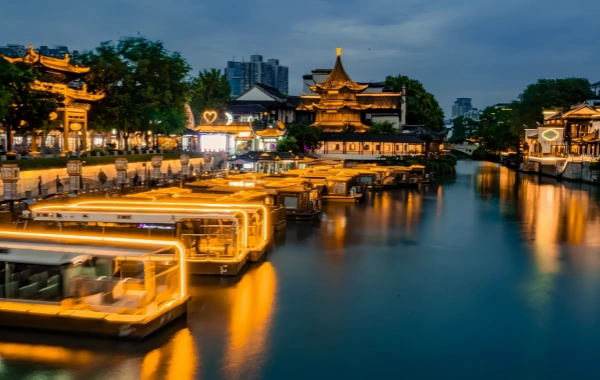
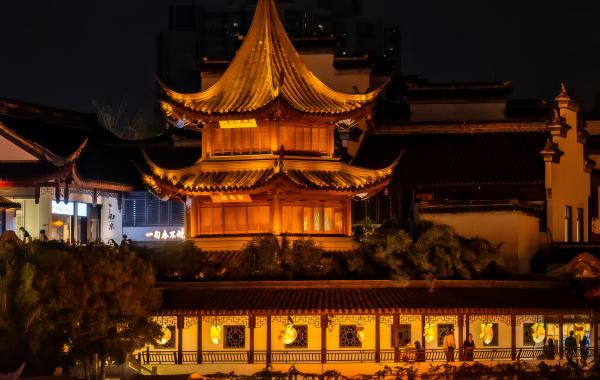
The Confucius Temple in Nanjing lies on the north bank of the Qinhuai River. It is both a temple dedicated to Confucius and China’s largest historic market street, combining a Confucian temple, an imperial academy, and an examination hall. Known as the cultural heart of Jiangnan and a symbol of Nanjing’s heritage.

Core Highlights at a Glance
Key Identities:One of China’s Four Great Confucian Temples/China’s Largest Traditional Historic Marketplace/The Cradle of Ancient Chinese Officialdom
Core Experiences:Overnight stays on Qinhuai River pleasure boats/Exploring the culture of the Imperial Examination system/Historical-style photography in traditional Hanfu attire
Suggested Visit Duration:Half a day to one full day;arriving in the late afternoon is highly recommended to experience both the daytime and nighttime scenery.
Scenic Area Address:Gongyuan Street,Qinhuai District,Nanjing City,Jiangsu Province

  • Confucius Temple: A Journey Through the Bustling Street Life and Golden Splendor of the Six Dynasties-1
  • Confucius Temple: A Journey Through the Bustling Street Life and Golden Splendor of the Six Dynasties-2
  • Confucius Temple: A Journey Through the Bustling Street Life and Golden Splendor of the Six Dynasties-3
  • Confucius Temple: A Journey Through the Bustling Street Life and Golden Splendor of the Six Dynasties-4

Origins:A Millennial Cultural Vein and a Rebirth from the Ashes

Furong Ancient Town Furong Ancient Town

The Title of"Cultural Nexus"—From the Eastern Jin Imperial Academy to the World's Center of Letters
The name"Confucius Temple"encapsulates Nanjing’s millennial tradition of education and culture.Its history dates back to the third year of the Xiankang reign during the Eastern Jin Dynasty(337 AD),when Prime Minister Wang Dao proposed that"governing the nation places the highest priority on cultivating talent."Consequently,an Imperial Academy(Taixue)was established on the southern bank of the Qinhuai River,marking the inception of state-sponsored education in Nanjing.In the first year of the Jingyou reign during the Northern Song Dynasty(1034 AD),the Confucian Temple was relocated to the northern bank of the Qinhuai River and integrated with the Imperial Academy—thus giving birth to the"Confucius Temple"in its true sense.During the Ming and Qing Dynasties,the Confucius Temple stood adjacent to the Jiangnan Imperial Examination Hall,becoming a revered sanctuary for scholars across the nation aspiring to pass the civil service examinations,and earning the accolade of being the"Cultural Nexus of the World."From the Six Dynasties period through the Ming and Qing Dynasties,hundreds of renowned figures—including Fan Li,Wang Dao,Xie An,Li Bai,Du Mu,and Wu Jingzi—left their indelible footprints upon this historic ground.

The Path of Rebirth—A Historical Phoenix Rising from Four Destructions and Five Reconstructions
The thousand-year journey of the Confucius Temple(Fuzimiao)is an epic saga of cultural heritage—one marked by repeated cycles of destruction and reconstruction:

Founding and Zenith(1034–1853):Throughout the Song,Yuan,Ming,and Qing dynasties,the complex underwent continuous renovation and expansion,evolving into a magnificent tripartite entity comprising the Confucius Temple,the Imperial Academy,and the Imperial Examination Hall.Both the Kangxi and Qianlong Emperors stayed here during their respective Southern Tours.

The Scars of War(1853–1937):During the Taiping Rebellion,the site suffered devastating damage from the ravages of war,though it was subsequently rebuilt during the Tongzhi reign.In 1937,Japanese artillery fire struck again,reducing the Confucius Temple complex to a mere ruin.

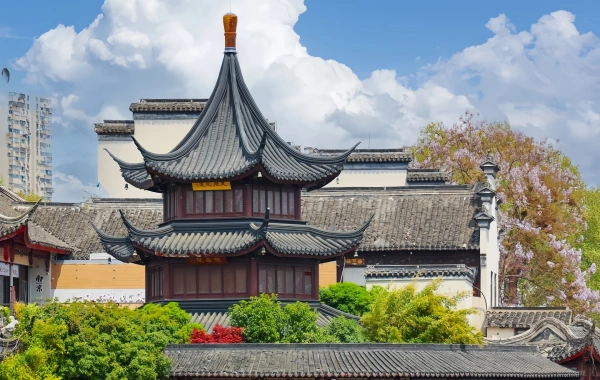
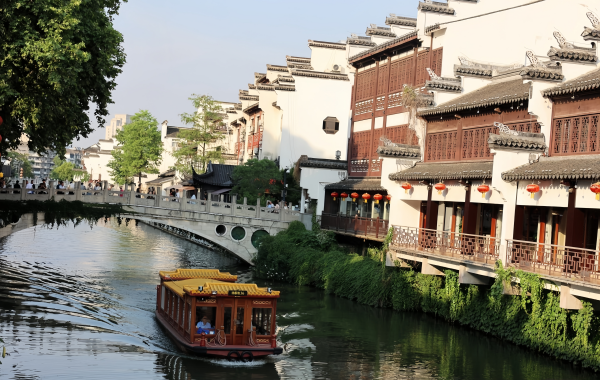
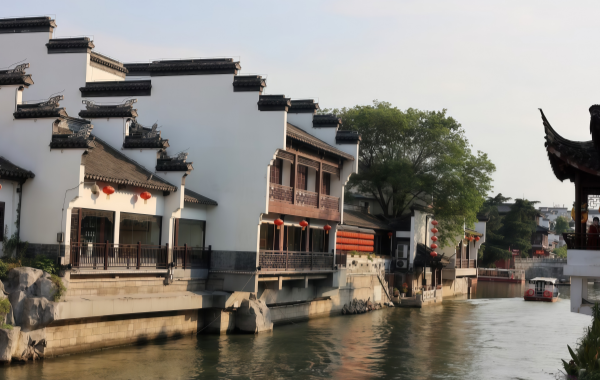
Artisan Restoration(1984–2010):Over the course of several decades,the Nanjing Municipal Government invested billions of yuan to meticulously restore the ancient architectural ensemble—including the Hall of Great Accomplishment(Dacheng Hall),the Hall of Enlightened Virtue(Mingde Hall),and the Jiangnan Imperial Examination Hall—adhering strictly to their original Ming and Qing dynasty designs.This monumental effort successfully revived the quintessential streetscape of that era,characterized by"blue bricks,small tiles,horse-head gables,winding corridors,and lattice windows."

A Renewed Bloom(2010–Present):In 2010,the Confucius Temple–Qinhuai Scenic Area was elevated to the status of a National AAAAA-level Tourist Attraction.Now welcoming over 50 million visitors annually,it stands as a cultural landmark renowned both domestically and internationally.

>Learn More:Explore other historic and cultural districts in China >> [Shanghai City God Temple]

Must-See Wonders:A Symphonic Poem of Humanity and Nature

Furong Ancient Town Furong Ancient Town Furong Ancient Town Furong Ancient Town Furong Ancient Town Furong Ancient Town

Human Ingenuity—A Civilization Suspended by the Banks of the Qinhuai River
The architecture here is not merely an assemblage of bricks and timber;it is a frozen melody—a tangible embodiment of the misty romance of the Six Dynasties era and the refined elegance of the Ming and Qing dynasties.

1.The"Foremost Spirit Wall Under Heaven"and the Panchi Crescent Pond
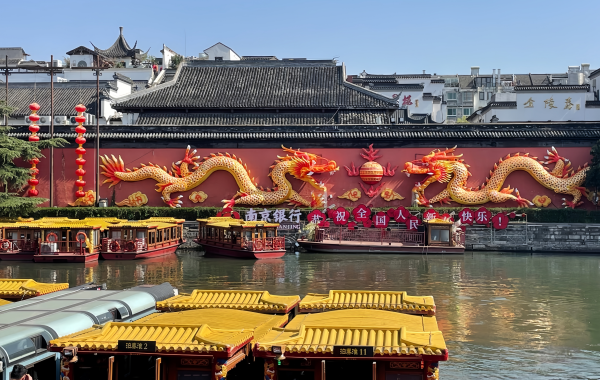
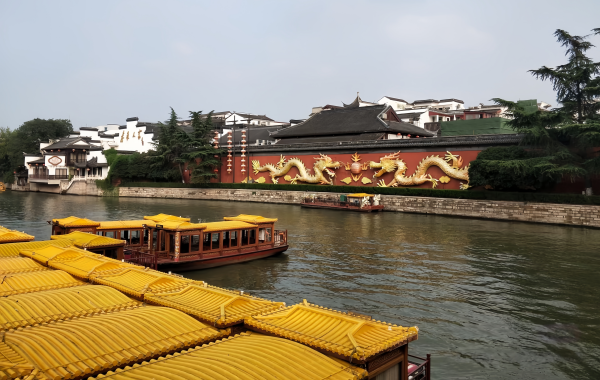
The Great Spirit Wall(Zhaobi)of the Confucius Temple is situated on the southern bank of the Qinhuai River.Constructed in the third year of the Wanli reign of the Ming Dynasty(1575),it measures 110 meters in length and 10 meters in height,making it the largest spirit wall in all of China.Beneath this wall lies the Panchi(Crescent Pond)—the only Panchi among all of China's Confucius Temples that is fed by a natural,living water source.The waters of the Qinhuai River flow ceaselessly through this pond,symbolizing the adage that"living water must have a source"—a metaphor for the continuous,vital flow of the literary and scholarly heritage nurtured at this"Nexus of Culture Under Heaven."

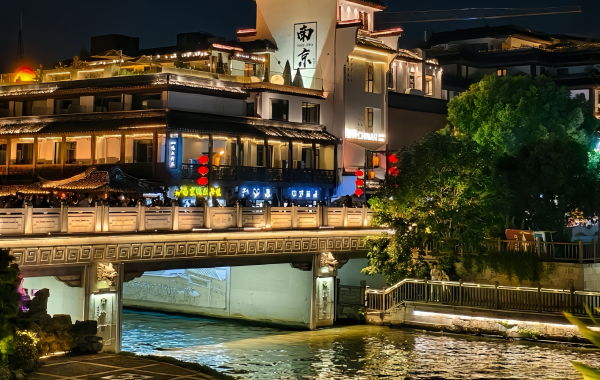
Photography Tip:Standing on Wende Bridge at dusk allows you to frame the Spirit Wall,the Crescent Pool,and the"Tianxia Wenshu"Archway all in a single shot;the scene is particularly stunning during the"blue hour"at twilight.

2.The"Tianxia Wenshu"Archway and Lingxing Gate
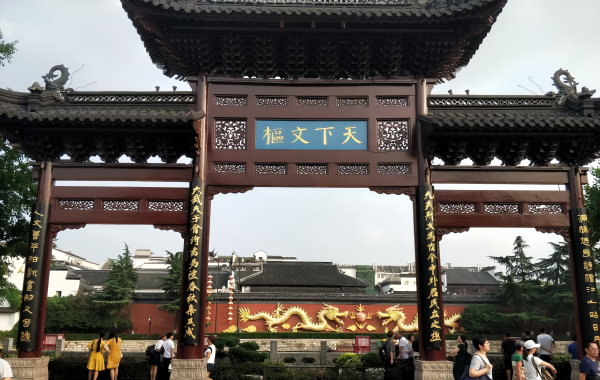
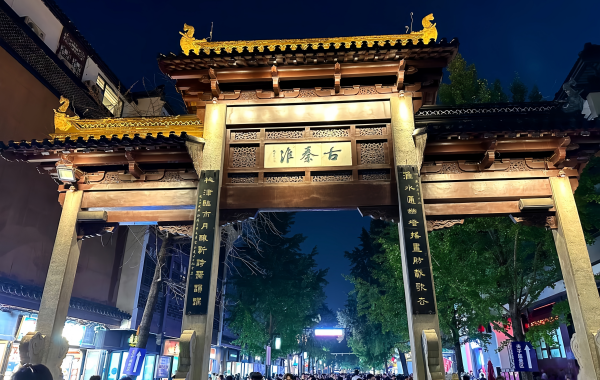
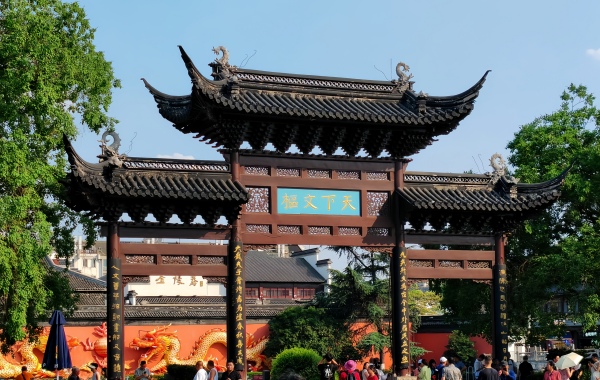
Located in the square in front of the temple,the cypress-wood"Tianxia Wenshu"(Literary Hub of the World)Archway is an iconic photo spot at the Confucius Temple,signifying Nanjing's historical status as a cultural epicenter.Behind the archway stands the Lingxing Gate—a stone archway featuring six pillars and three bays.The pillar capitals are carved with cloud motifs,resembling Huabiao(ornamental columns),and symbolize the reverence for the Sage as being as boundless as the heavens.Embedded between the three gateways are brick bas-reliefs depicting peonies,exuding an air of rustic elegance.

3.The Dacheng Hall—A Sacred Site for Sacrifices to Confucius
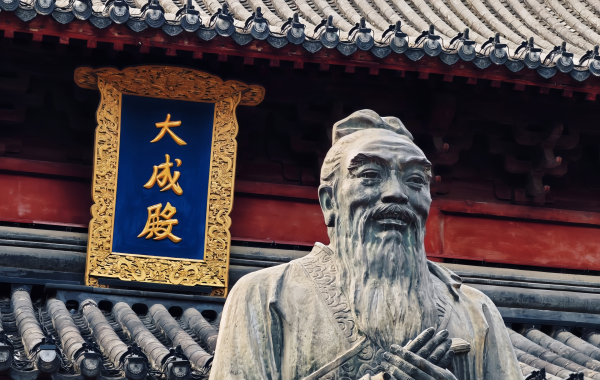
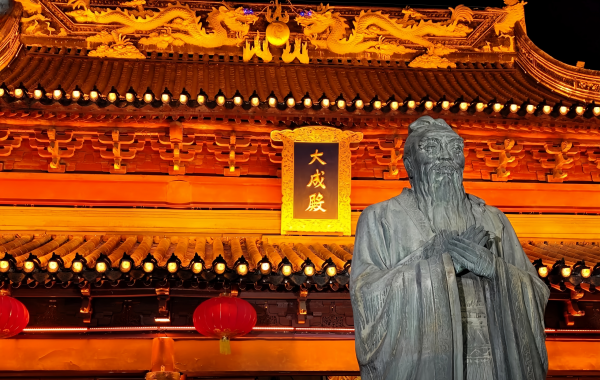
The Dacheng Hall serves as the central edifice of the Confucius Temple.Featuring a double-eaved Xieshan(hip-and-gable)roof,it stands 18 meters tall and spans seven bays,commanding a magnificent and imposing presence.Suspended in the center of the hall is the largest portrait of Confucius in China,measuring 6.5 meters in height and 3.15 meters in width;it is flanked by white marble statues of the Four Sages:Mencius,Zeng Shen,Yan Hui,and Kong Ji.The terrace outside the hall serves as the venue for the ritual dances and music performed during the spring and autumn sacrifices to Confucius;its four corners are fitted with red copper braziers that burn tung oil torches,illuminating the night as brightly as day.The hall also houses a treasured collection of four ancient steles,including the"Stele Depicting Confucius Inquiring About Rites."Carved during the second year of the Yongming reign of the Southern Qi Dynasty(over 1,500 years ago),this particular stele is revered as the"Guardian Treasure"of the Confucius Temple.

4.Mingde Hall and the Imperial Academy
Situated behind the Dacheng Hall,the Mingde Hall serves as the principal structure of the Imperial Academy(Xuegong).In ancient times,it functioned as the main auditorium where students gathered for classes;originally established during the Eastern Jin Dynasty,the current structure was reconstructed in the eighth year of the Tongzhi reign of the Qing Dynasty(1869).The plaque displayed in front of the hall,bearing the inscription"The Foremost Academy of the Southeast,"underscores the exalted status the Confucius Temple held within the ancient educational system.The corridors flanking the Imperial Academy house an exhibition of over 30 stone steles featuring calligraphy by renowned contemporary masters,creating a fascinating interplay between modern artistry and ancient heritage.

5.Jiangnan Examination Compound and the Imperial Examination Museum—The Cradle of Ancient Chinese Officials
The Jiangnan Examination Compound was the largest imperial examination venue in ancient China;at its zenith,it boasted 20,644 individual examination cells,capable of accommodating over 20,000 candidates simultaneously.During the Ming and Qing dynasties,more than half of the nation's Zhuangyuan(top scholars)emerged from this very site;luminaries such as Tang Bohu,Zheng Banqiao,Shi Naian,Wu Jingzi,and Chen Duxiu all passed through its gates.Today,the Imperial Examination Museum—the nation's only underground museum—stands upon the ruins of the original compound.Its 33 exhibition halls offer a comprehensive retrospective of the imperial examination system,from its origins to its evolution,while its collection of original examination papers from the Zhuangyuan Palace Exams is truly breathtaking.The Mingyuan Tower,serving as the compound's highest vantage point,and the Feihong Bridge—which historically marked the boundary between the"inner"and"outer"examination sections—are both must-visit historical landmarks.

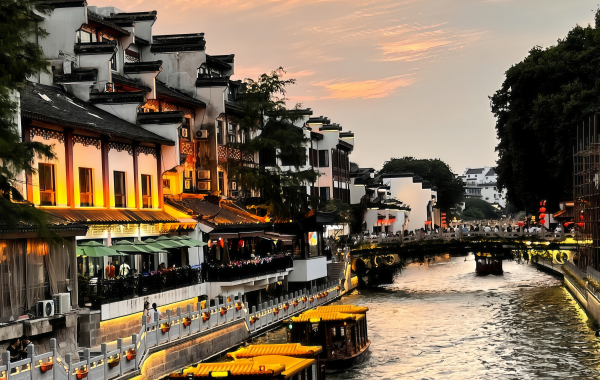
Photography Tips:The best vantage point for a panoramic shot is atop the Wende Bridge,where you can simultaneously capture the Spirit Wall,the Panchi(Crescent Pool),the"Tianxia Wenshu"Archway,and the painted pleasure boats of the Qinhuai River.
The top floor of the Deyuetai Pavilion offers an ideal angle for shooting aerial-style views of the Qinhuai River's S-curve and the rooftops of the ancient architectural complex.
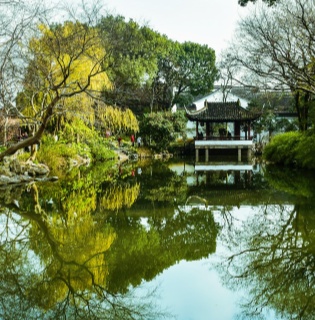
The"Water Stage"within the Imperial Examination Museum provides a stunning opportunity for symmetrical compositions by utilizing the water's reflection.
Drone flight is permitted in the area;however,please pay close attention to designated no-fly zone warnings.

6.Wuyi Lane—Where the Swallows of the Wang and Xie Clans Once Flew
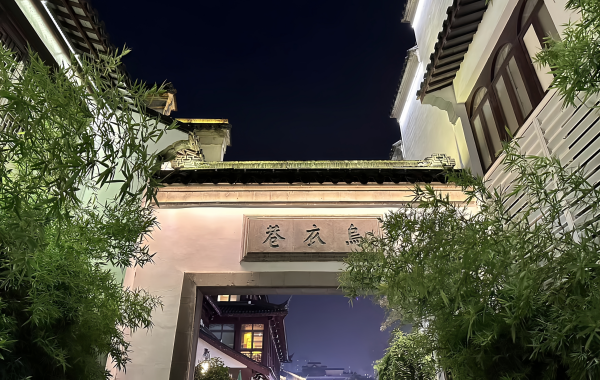
Crossing to the southern bank of the Wende Bridge brings you to Wuyi Lane.This ancient alleyway,approximately 350 meters in length,earned its name during the Eastern Wu period when the soldiers stationed here wore black military uniforms(wuyi).During the Eastern Jin dynasty,the Wang and Xie—two of the most prominent and influential aristocratic clans of the era—resided here,producing cultural giants such as Wang Xizhi,Wang Xianzhi,and Xie Lingyun.The immortal couplet by the Tang Dynasty poet Liu Yuxi—"Wild grasses and flowers bloom by the Zhuque Bridge;the setting sun slants over the entrance to Wuyi Lane"—has transformed this place into a pilgrimage site for scholars and literati throughout the ages.The lane still preserves historical relics such as the"Wuyi Well,"while the Wang Dao and Xie An Memorial Hall utilizes physical artifacts and scene reconstructions to vividly recreate the aristocratic grandeur of the Six Dynasties period.

Nature's Masterpiece—The Breath and Pulse of the Qinhuai River
Although the Confucius Temple area is renowned primarily for its cultural and historical landmarks,the natural beauty of the Qinhuai River itself is equally captivating.

The"Ten-Li Qinhuai"—The Mother River Amidst Oars and Lantern Glow

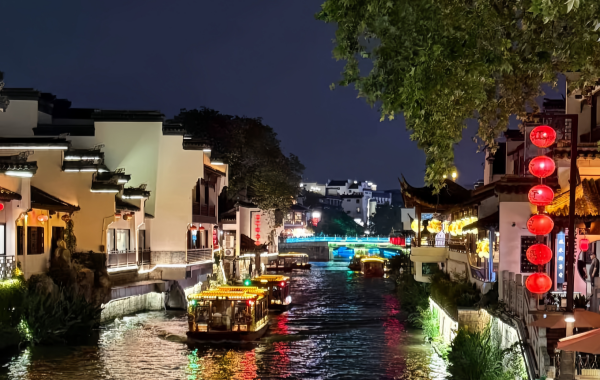
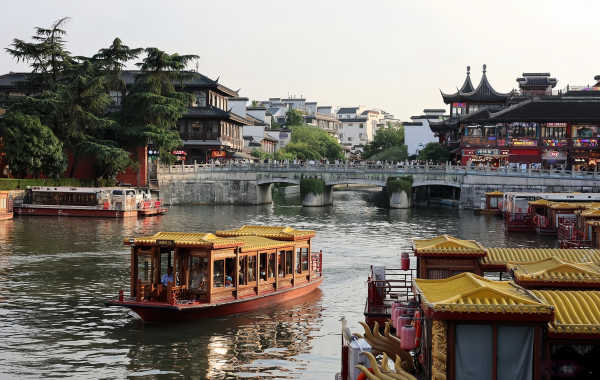
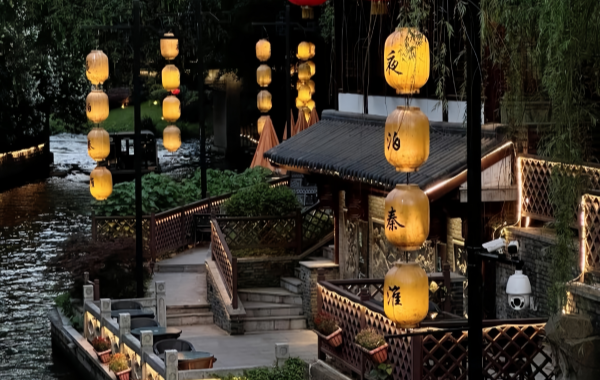
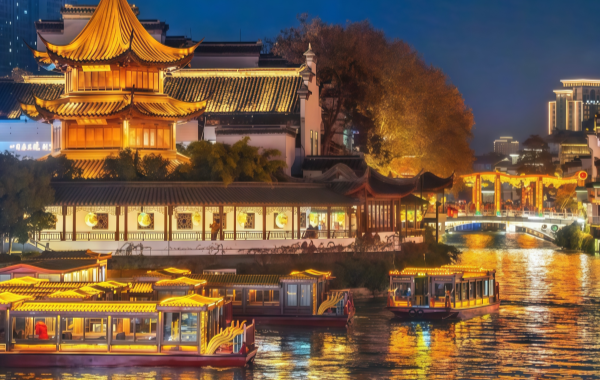
The Qinhuai River is Nanjing’s"Mother River."The Inner Qinhuai River—spanning 4.2 kilometers from the East Water Gate to the West Water Gate—is historically known as the"Ten-Li Qinhuai."Along its banks,whitewashed walls topped with dark-tiled roofs stand in contrast to ornate pleasure boats gliding across the ripples.The eponymous essay The Qinhuai River Amidst Oars and Lantern Glow—penned jointly by Zhu Ziqing and Yu Pingbo—has immortalized the beauty of this place within the annals of Chinese literature.The best way to experience this scenery is by taking a night cruise on a painted pleasure boat.The Eastern Route passes by Bailuzhou Park,Taoyedu Ferry,and the East Water Gate,offering a tapestry of historical sites,classical gardens,and bustling streets along the way.The Western Route,meanwhile,utilizes immersive light-and-shadow technology to bring the Southern Capital’s Grand Gathering scroll painting to life,creating the sensation that one is"sailing right through the artwork."

Qinhuai Lantern Art—A Feast of Intangible Cultural Heritage Rich in Lunar New Year Spirit

Every year,from the first to the eighteenth day of the Lunar New Year,the Confucius Temple(Fuzi Miao)hosts the Qinhuai Lantern Festival.This traditional folk custom—which originated during the Six Dynasties period and reached its zenith during the Ming Dynasty—boasts a history spanning over 1,700 years.During the festival,the Confucius Temple Plaza,the Dacheng Hall,the Jiangnan Examination Compound,and indeed the entire banks of the Qinhuai River are adorned with tens of thousands of lanterns,creating a dazzling spectacle.Lotus lanterns,Zodiac lanterns,"Ao Mountain"lanterns...these creations,meticulously handcrafted by lantern artisans,represent an irreplaceable symbol of the Lunar New Year spirit in the hearts of Nanjing’s people.Even outside of the festival season,the lantern market on Zhanyuan Road sells these lanterns year-round,offering visitors a unique souvenir to take home.

The Seasonal Beauty of the Qinhuai River

Spring(March–May):The weeping willows along the banks burst forth with fresh green foliage,while peach and apricot blossoms bloom in succession;a morning stroll along the river is a truly delightful experience.

Summer Nights(June–August):Shaded by lush trees and cooled by gentle evening breezes,this is the ideal season to experience the romance of"mooring for the night on the Qinhuai"—though visitors should be mindful of mosquitoes.

Autumn(September–November):The skies are high and crisp,the ginkgo trees turn a brilliant gold,and the ancient architecture appears even more rustic and elegant amidst the autumn colors.

Winter(December–February):Crowds are sparse during this season;should a snowfall occur,the contrast between the white walls,dark-tiled roofs,and vibrant red lanterns creates a scene as exquisite as a traditional ink-wash painting.

Core Experiences:A Guide to the Refined Lifestyle of Jinling

Furong Ancient Town Furong Ancient Town Furong Ancient Town Furong Ancient Town

Five Must-Do Activities to Unlock the Complete Confucius Temple Experience
1.Take a Ride on a Qinhuai Painted Boat
Timing:Highly recommended from dusk into the evening;board the boat just as the city lights begin to glow.

Routes:The East Route(100 RMB/person,approx.40 minutes)passes by Egret Islet Park and the East Water Gate—ideal for first-time visitors.The West Route(140 RMB/person)includes a light and shadow show and a visit to the Gate of China(Zhonghua Gate)Fortress.

Tips:Save 10 RMB by purchasing tickets in advance via platforms like Meituan;simply present your QR code for direct entry verification.

2.Pay Homage at the Dacheng Hall to Pray for Academic Success
Highlights:The Dacheng Hall at the Confucius Temple is reputed to be the most efficacious site in the country for praying for academic fortune.Upon entering the hall,you can cleanse your hands at the"Jade Rabbit Spring"and hang a safety talisman.

Admission:30 RMB/person.The bronze statue of Confucius and the white marble statues of his Twelve Disciples inside the hall are well worth a close look.

3.Walk the"Imperial Examination Road"and Step Back in Time to Ancient Testing Grounds
Highlights:Jiangnan Examination Compound(25 RMB/person)—enter the individual testing cells to experience the"nine days and six nights"examination environment endured by ancient candidates.The Imperial Examination Museum(North Hall)is 40 RMB/person,or purchase a combined ticket for 50 RMB/person.

Photo Ops:Head to the Dengke(Success)Corridor to capture stunning night views of the Qinhuai River,or beat the Zhuangyuan(Top Scholar)Drum to offer a prayer for success.

4.Savor an Authentic Taste of Jinling
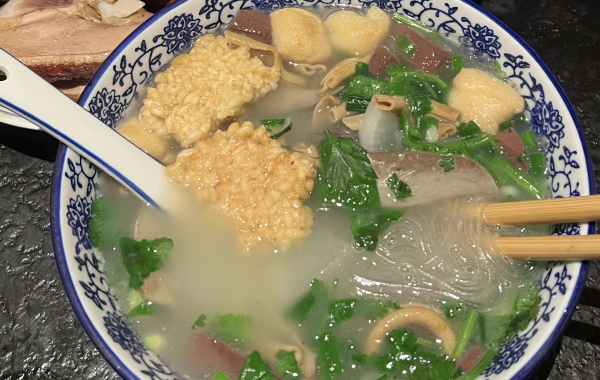
Must-Try Time-Honored Eateries:Lianhu Gaotuan Shop(Red Bean Glutinous Rice Balls,Beef Potstickers);Qifangge(Sesame Oil-Dressed Shredded Dried Tofu,Duck-Fat Sesame Flatbreads);Huangqinji(Jelly Noodles,Chicken-Broth Braised Dried Tofu).

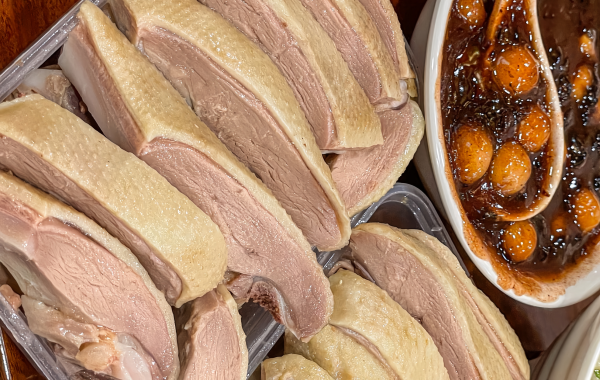
Full Meal Recommendations:Nanjing Big Brand Alley(Nanjing Dapaidang)offers a one-stop experience for local classics like Salted Duck,Duck Blood Vermicelli Soup,and Osmanthus-Sugar Taro Seedlings;alternatively,seek out a Huaiyang cuisine restaurant to savor the delicate"Stewed Lion's Head Meatball with Crab Roe."

Buyer Beware:The vacuum-sealed Salted Duck sold within the scenic area is primarily tourist merchandise;locals highly recommend venturing to the Old East Gate(Laomendong)district to find the truly authentic culinary delights.

5.Stroll Through Wuyi Lane and Recite Timeless Poetry
Highlights:Free admission.The stone tablet inscribed with a poem by Liu Yuxi(located at the lane's entrance)and the Memorial Hall for Wang Dao and Xie An(admission:8 RMB)are well worth a stop.Best Time to Visit:At dusk,when the setting sun casts its slanting rays upon Wuyi Lane,you can best capture the poetic sentiment of the famous lines:"The swallows that once nested in the halls of the Wang and Xie clans now fly into the homes of ordinary people."

Suggested Itineraries
Half-Day"Classic Highlights"Tour(Ideal for those short on time):
Arrive at 3:00 PM→Jiangnan Examination Hall(25 RMB;approx.45 mins)→Imperial Examination Museum(40 RMB;approx.1 hour)→Watch the sunset from Wende Bridge(approx.30 mins)→Confucius Temple's Dacheng Hall(30 RMB;approx.45 mins)→Night Cruise on a Qinhuai Painted Boat(100–140 RMB;approx.40 mins)→Night Views of Wuyi Lane(Free;approx.20 mins)→Head to Laomendong for dinner/snacks.

IntoTravelChina Tip:This itinerary is fast-paced;we recommend purchasing tickets online in advance to avoid queues.For the painted boat cruise,we suggest booking ahead via platforms such as Meituan.

Full-Day"Immersive Deep Dive"Tour(Including Surrounding Experiences):
Morning:Exit at Confucius Temple Station(Metro Line 3)→Snap a photo at the Ancient Qinhuai Archway→In-depth visit to the Jiangnan Examination Hall and Imperial Examination Museum(approx.3 hours)→Have a light lunch at Qifang Pavilion or Lianhu Pastry Shop.
Afternoon:Offer prayers/blessings at the Confucius Temple's Dacheng Hall(approx.1 hour)→Browse the"Qinhuai Gifts"cultural souvenir shops and collect commemorative stamps→Walk along the Qinhuai River to the Dongshuiguan Gate Ruins(approx.1 hour)→Return to Wende Bridge at dusk to photograph the sunset.
Evening:Night Cruise on a Qinhuai Painted Boat→Night tour of Wuyi Lane and the Wang Dao&Xie An Memorial Hall→Explore Laomendong in search of authentic local snacks→Tour concludes after 9:00 PM.

IntoTravelChina Advantage:We offer fully customized itineraries,providing a one-stop service that includes exclusive guided tours,ticket booking,and boat ticket purchasing assistance,ensuring you enjoy a deep,worry-free travel experience.>> [Consult for Customization Now]

Comprehensive Travel Guide:Transport,Accommodation,and Seasons

Furong Ancient Town Furong Ancient Town Furong Ancient Town Furong Ancient Town

How to Get There:A Seamless Arrival Guide
The Confucius Temple area is located in the heart of Nanjing and boasts extremely convenient transportation links.Arriving from Across the Country:We recommend taking a high-speed train to Nanjing South Station or Nanjing Station,then transferring to Metro Line 3 directly to Fuzimiao Station.

Arriving from Nanjing City Center:Take Metro Line 3 to"Fuzimiao"Station(Exit 2);the scenic area is just a short walk away.Alternatively,take Metro Line 1 to"Sanshanjie"Station,followed by a walk of approximately 10 minutes.

Arriving from Nearby Attractions:Direct bus or metro connections to Fuzimiao are available from the Sun Yat-sen Mausoleum,the Presidential Palace,and the Nanjing Museum;travel time is approximately 30–40 minutes.

Important Note:The Fuzimiao Scenic Area is an open-style district requiring no general admission ticket.However,tickets must be purchased separately for specific internal attractions(such as the Dacheng Hall,Jiangnan Examination Hall,Imperial Examination Museum,and Painted Pleasure Boats).

Best Time to Visit
Fuzimiao is enjoyable in all four seasons,but the spring and autumn months offer the best experience.

Spring&Autumn:The Golden Seasons(March–May;September–November):The climate is pleasant,and the scenery is at its finest.In spring,cherry blossoms and peach blossoms are in full bloom;in autumn,ginkgo leaves turn a golden hue,and the air is filled with the fragrance of osmanthus flowers.

Summer:The Season for Cooling Off(June–August):Ideal for night tours of the Qinhuai River,though daytime temperatures can be hot—be sure to take precautions against heatstroke and mosquitoes.While the main Qinhuai Lantern Festival typically takes place during the Lunar New Year,occasional lantern displays are also held during the summer months.

Winter:The Season of Tranquility(December–February):Crowds are thinner,and snowfalls transform the landscape into a picturesque scene.The Qinhuai Lantern Festival is held around the Lunar New Year period,offering a rich festive atmosphere,though visitor numbers can be very high during this time.

Best Time for Boat Tours:Boarding between 6:00 PM and 7:30 PM allows you to enjoy the lingering glow of the sunset while seamlessly transitioning into the enchanting nightscape as the city lights begin to twinkle.

Accommodation Options
Within/Near the Scenic Area(Highly Recommended):
Fuzimiao Core Area:Hotels located in the immediate vicinity—such as those near Gongyuan Street in the Qinhuai District—offer direct access to the scenic area right outside your door,making night tours particularly convenient.However,rates tend to be higher during holidays.
Near Laomendong:Located a 10–15 minute walk from Fuzimiao,this area offers a wider variety of accommodation choices as well as more authentic local dining experiences.
City Center Accommodation(Best Value):

Xinjiekou Area:Nanjing's central business district,served by the interchange of Metro Lines 1 and 2.It is approximately a 15-minute journey to Fuzimiao,and the area boasts an extensive selection of hotels to choose from.Sanshanjie/Zhangfuyuan Area:Located along Metro Line 1 and close to the Confucius Temple(Fuzimiao),this area offers excellent value for money and a peaceful atmosphere.

IntoTravelChina Accommodation Booking Tips:
We strongly recommend planning your itinerary and booking your accommodation 1–2 months in advance—especially during public holidays and the Lantern Festival season.By booking through us,you gain access to real-time room availability and the ability to bundle your accommodation,attraction tickets,and transportation into a single plan,often securing combined package discounts.Simply tell us your budget and requirements,and we will match you with the perfect"Jinling Abode"(Nanjing retreat)to suit your needs.>>[Click to contact IntoTravelChina Travel Consultant]

Extend Your Journey:A Loop Connecting the Highlights of Jiangsu,Anhui,and Jiangxi

Furong Ancient Town Furong Ancient Town

The Confucius Temple is by no means the end of your journey;rather,it serves as the perfect starting point for exploring the vibrant wonders of the Jiangnan region.

Classic 3-Day Loop:Nanjing(Confucius Temple,Sun Yat-sen Mausoleum)→Yangzhou(Slender West Lake,Ge Garden)→Zhenjiang(Jinshan Temple,Xijindu Historic District).This is a perfect journey that seamlessly blends the cultural heritage of the Six Dynasties,the distinct charm of the Huaiyang region,and the exquisite beauty of Jiangnan gardens.

In-Depth 5-Day"Jinling"Tour:Nanjing Confucius Temple→Sun Yat-sen Mausoleum→Nanjing Museum→Presidential Palace→Xuanwu Lake→Jiming Temple→Laomendong.Experience the thousand-year-old splendor of this ancient Six Dynasties capital in a single,comprehensive journey.

East China Regional Tour:Connect Nanjing with destinations such as Suzhou,Hangzhou,and Shanghai to experience the diverse facets of China—from an ancient capital to picturesque Jiangnan water towns and bustling international metropolises.

Partner with IntoTravelChina to Embark on Your Exclusive Cultural Journey Through Jinling

Furong Ancient Town Furong Ancient Town

The story of the Confucius Temple(Fuzi Miao)is one of a thousand-year-old cultural lineage,the enduring vitality of local life,and the profound legacy of China's imperial examination system.IntoTravelChina specializes in crafting in-depth,personalized,and hassle-free travel experiences across China.Our travel experts are here to offer you:

Tailored Itineraries:We design the perfect route—featuring the Confucius Temple and surrounding Nanjing attractions—customized to your specific interests and schedule.

One-Stop Service:We handle everything—from booking entrance tickets,unique accommodations,and transportation transfers to arranging local guides and scenic boat cruises.

Exclusive Experiences:We arrange VIP guided tours of the Imperial Examination Museum,skip-the-line access to renowned heritage eateries,expert advice on the best times for photography,and more.

Let your visit to the Confucius Temple be more than just sightseeing;let it be an immersive journey through the rich cultural heritage of Jinling.
Start Planning Your Journey Today
We invite you to contact our professional travel consultants;we will provide you with a personalized itinerary proposal and quotation within 24 hours.
>> [Click to contact IntoTravelChina Travel Consultant]

What Our Clients Say?

Based on 10,000+ traveler reviews

...
Daniel Dorothea
Canada
Reviewed on April 29,2025
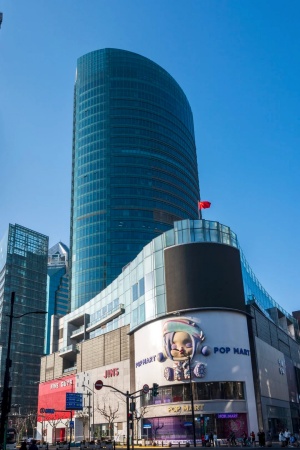
Shopping on Nanjing Road in Shanghai was just amazing! It's truly the "First Commercial Street of China", where tradition and modernity blend perfectly. You can find awesome souvenirs and experience the trendy vibes in cool stores. The neon lights at night are just spectacular, shining bright like Times Square in New York. The food here is incredible too. I had a feast for my taste buds. Shanghai, I'll definitely be back!
Destination(s): Shanghai
Date of Experience: May 08,2024
...
...
Elvis Eva
Canada
Reviewed on June 20,2025
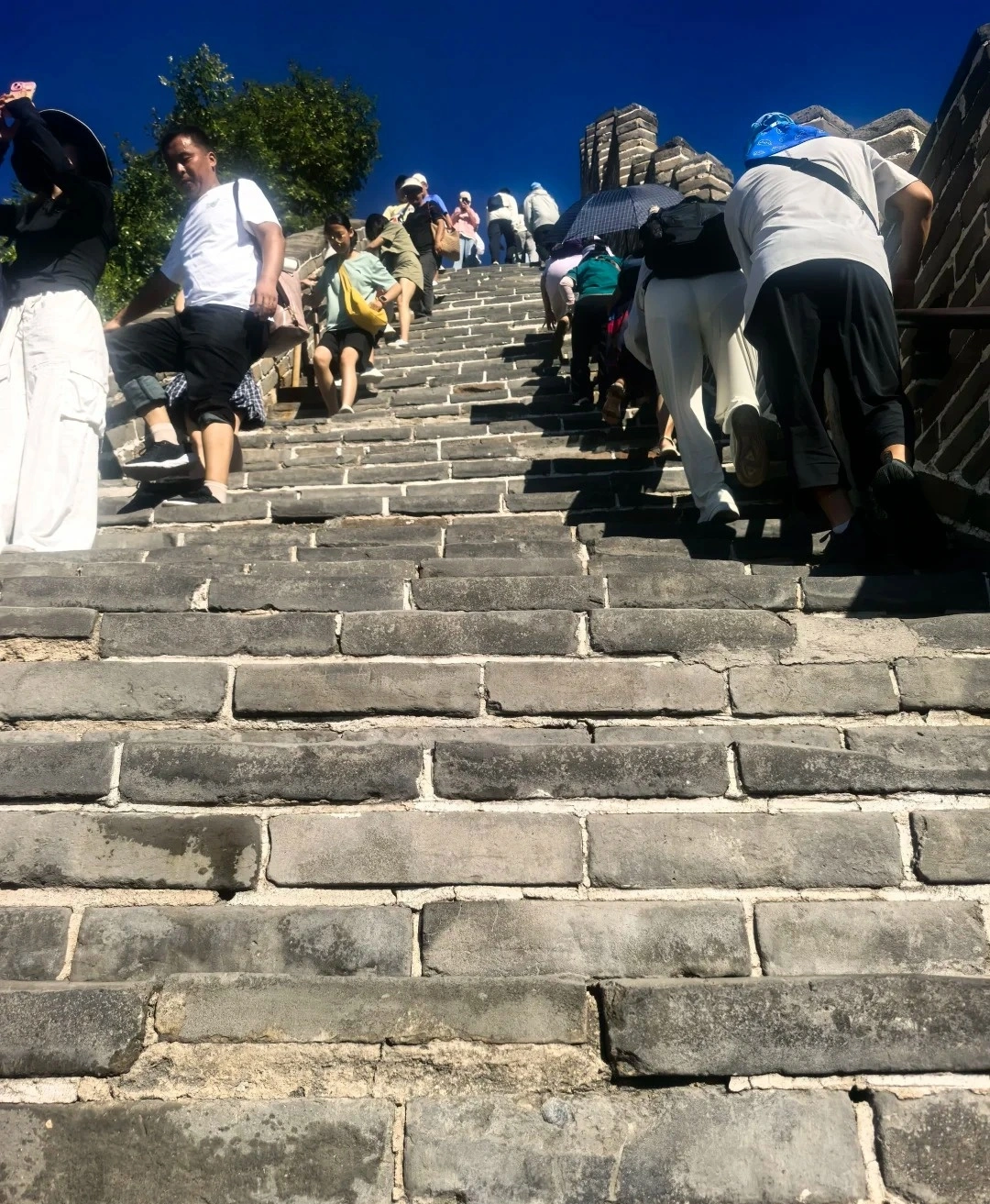
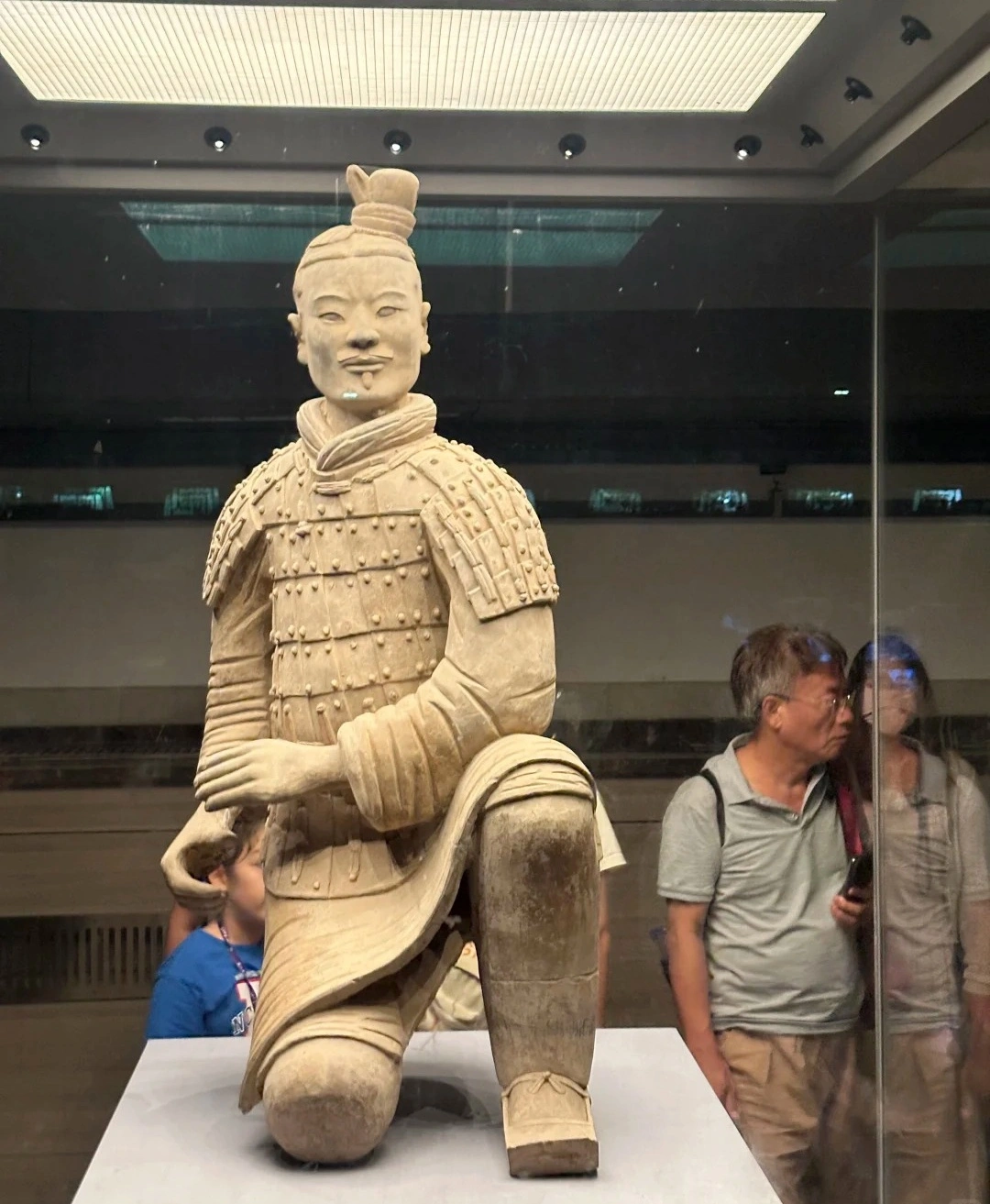
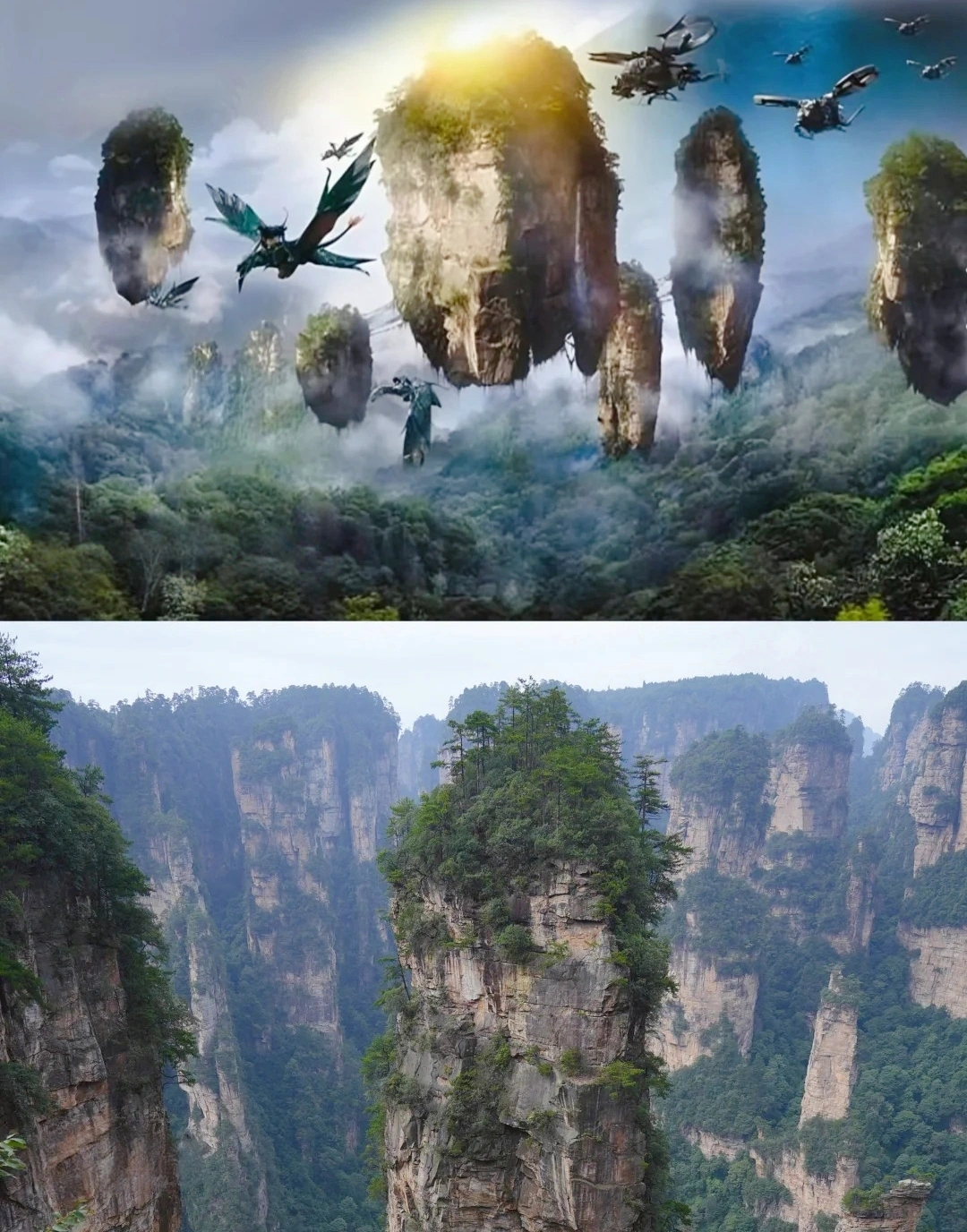
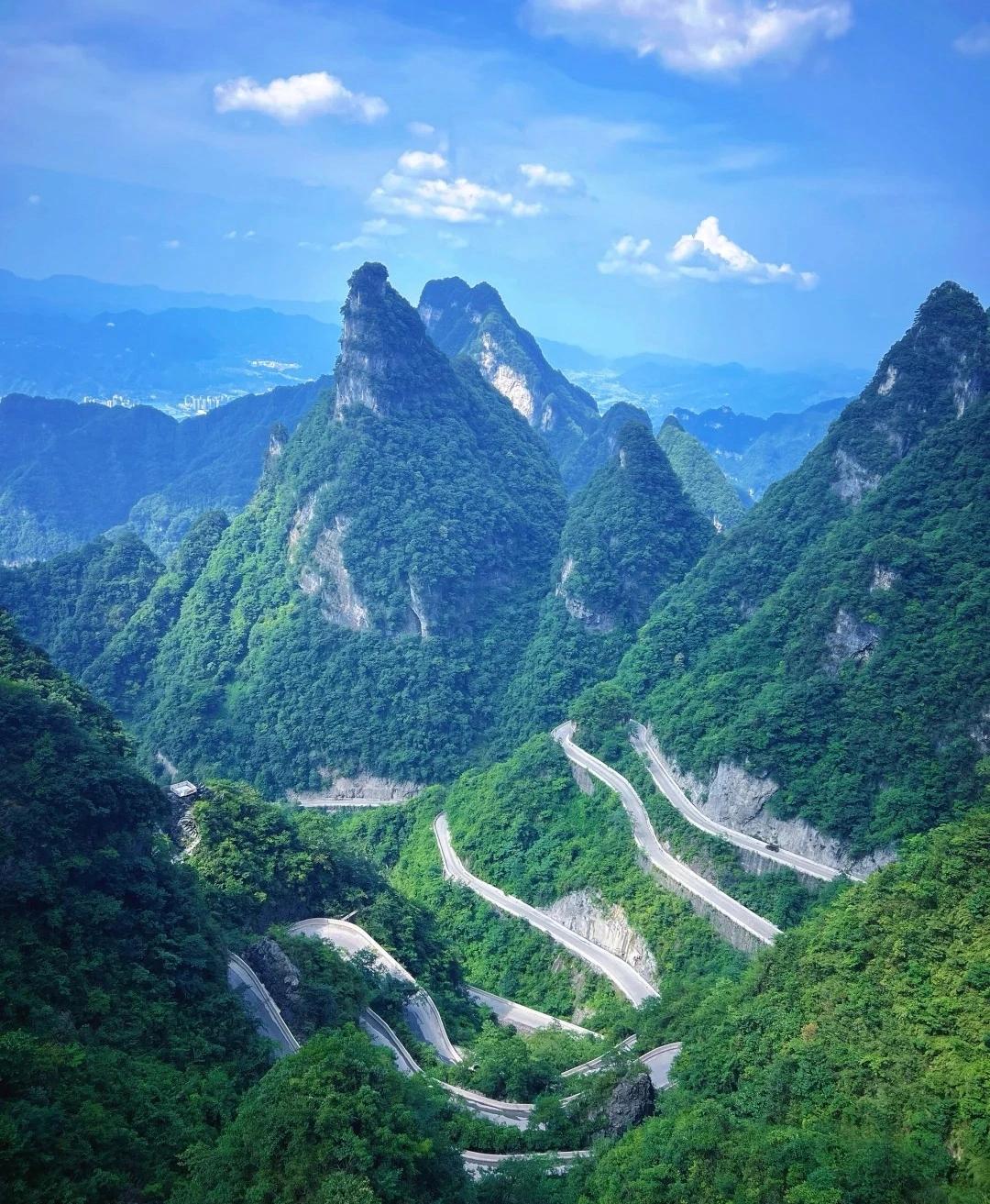
As a solo traveler from Canada, I was nervous about navigating China alone—but this 11-day tour was PERFECT! From hiking the Great Wall at sunrise (Day 3) to gasping at the Terracotta Army (Day 5), every day delivered ‘pinch-me’ moments. The real showstopper? Zhangjiajie’s Avatar Mountains (Day 7)! Our guide made the stone pillars come alive with stories. Massive thanks for handling all logistics—bullet train tickets, entry passes, car! And the 4-star hotels surprised me.
Destination(s): Beijing Xian Zhangjiajie Shanghai
Date of Experience: June 02,2025
... ... ...
...
Simon
America
Reviewed on May 29,2025
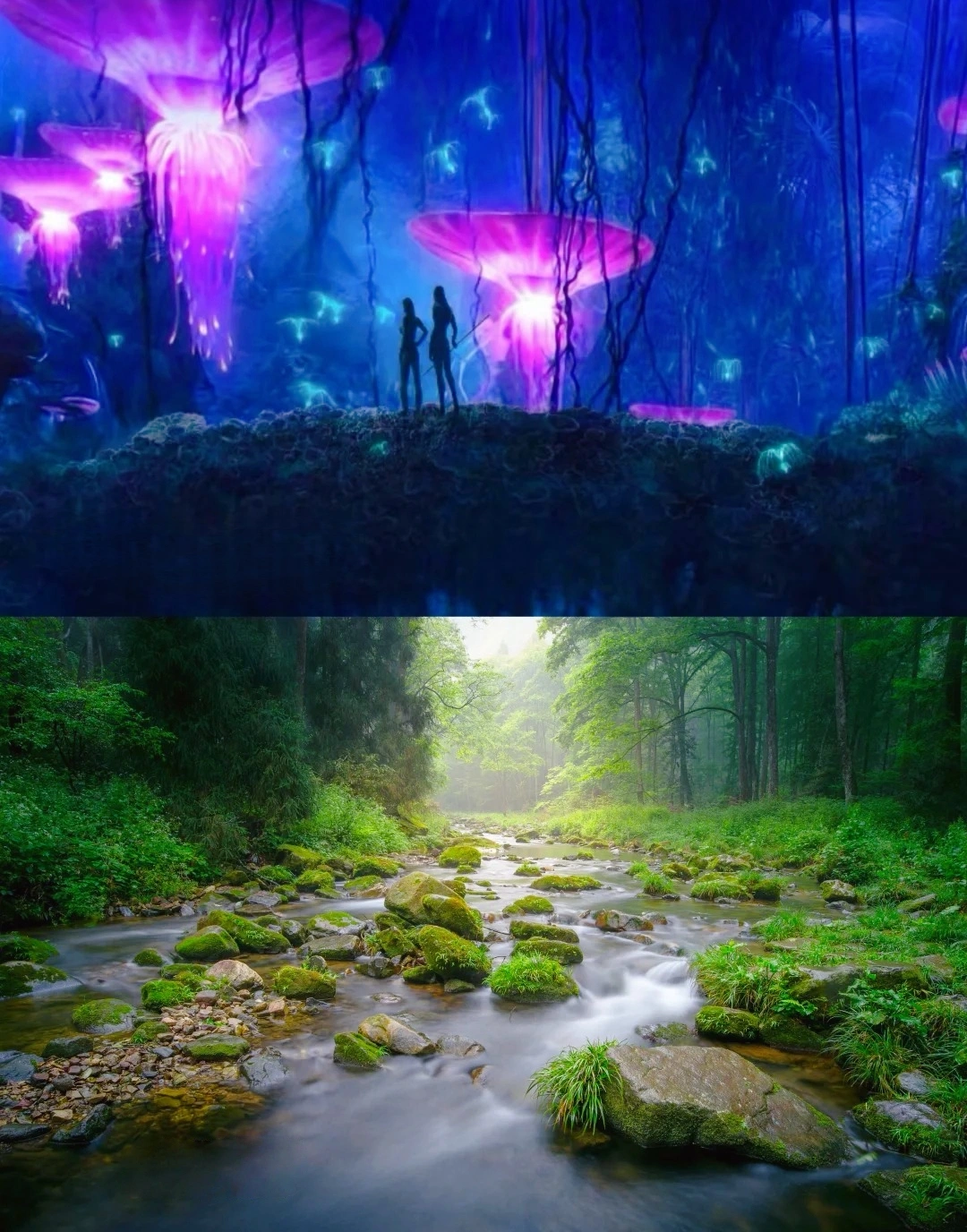
Our 2-day Zhangjiajie tour was beyond spectacular! As someone who’s visited Beijing and Shanghai for work, this trip revealed China’s wild, magical heart. Day 1 in Zhangjiajie National Forest Park felt like stepping onto Pandora—I’m a huge Avatar fan, and Yuanjiajie’s floating peaks left me breathless. The misty pillars and lush valleys like pure movie magic! Then came Fenghuang Ancient Town, we eat dinner beside the thundering waterfall. It seems Unreal! The night views of stilt houses glowing over the river were straight from a fairy tale. For fellow Avatar lovers and adventure seekers: Don’t miss this bucket-list experience! 10/10 would return. A Well-Traveled Film Buff, May 2025
Destination(s): Zhangjiajie
Date of Experience: May 08,2025
... ...

Ask a Question

Question Summary (100 characters)
Details (optional) (2,000 characters)
Name
Country
Email